Sign up with Google
 Sign in with Zoho

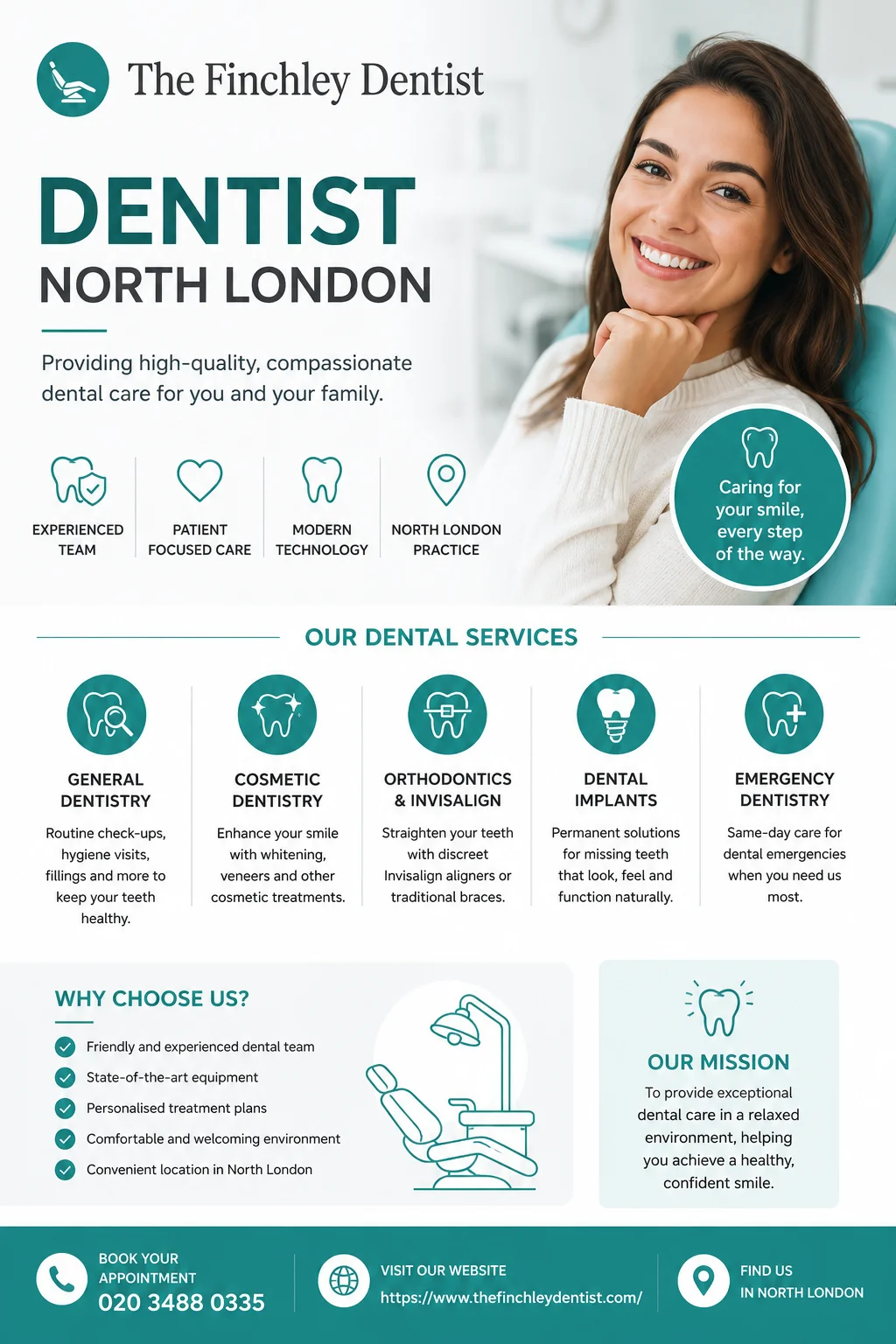
Tooth problems rarely wait for a convenient moment. They tend to show up just before a big meeting, during a weekend meal, or right when you are about to enjoy something crunchy that your teeth suddenly decide they no longer support. In situations like these, knowing how to respond calmly can make a real difference. If you ever find yourself needing an Emergency Dentist North London, acting quickly and sensibly can help protect your tooth and reduce discomfort before professional care is available.
When Dental Pain Becomes Hard to Ignore
Not every toothache is an emergency, but some signs should never be brushed aside. Sharp, sudden pain, swelling around the gums, or a tooth that feels loose after an injury are all signals that something needs prompt attention.
A common mistake people make is hoping the problem will settle on its own. Sometimes it does, but often it quietly gets worse. That mild sensitivity after a cold drink might turn into a constant ache a few days later. It is a bit like ignoring a warning light on your car dashboard and hoping it fixes itself. Spoiler: it usually does not.
In North London, where busy schedules are the norm, it is easy to delay checking in on dental issues. But early action often means simpler treatment and less discomfort overall.
Common Dental Emergencies People Experience
Dental emergencies come in different forms, and not all of them look dramatic at first glance.
Some of the most common include:
● Severe toothache that does not ease with pain relief
● Knocked-out or chipped teeth from accidents or sports
● Swelling in the gums or jaw
● Broken fillings or crowns causing sensitivity
● Sudden bleeding or trauma in the mouth
Each of these situations can feel unsettling in the moment. The key is not to panic, but to act methodically.
What to Do Before You Reach the Dentist
If something goes wrong with your teeth, there are a few simple steps that can help manage the situation before you get professional care.
1. Rinse gently
Use warm water to clean the area. Avoid anything too hot or too cold, especially if the tooth is sensitive.
2. Control swelling
A cold compress on the outside of the cheek can help reduce swelling and ease discomfort.
3. Avoid unnecessary pressure
Try not to chew on the affected side. It sounds obvious, but people often forget and then immediately regret it mid-bite.
4. Keep any broken pieces safe
If a tooth or filling has come out, store it safely and bring it with you. It might still be useful.
These steps are not a substitute for treatment, but they can help keep things stable until you are seen by a professional.
Why Quick Action Matters More Than You Think
Dental issues do not always stay the same. A small crack in a tooth can deepen over time, and untreated infections can spread and become more serious.
There is also the comfort factor. Pain tends to affect sleep, concentration, and even mood. Anyone who has tried to focus on work while dealing with a throbbing tooth knows it is not exactly ideal.
That is why seeking help quickly is often the best approach. In many cases, early treatment is simpler and less invasive than waiting.
Real-Life Moments That Catch People Off Guard
Most dental emergencies do not happen during carefully planned moments. They tend to show up during everyday life.
One example many people relate to is biting into something hard and suddenly feeling a sharp crack. At first, it might not even hurt much, so it gets ignored. Then a day or two later, sensitivity kicks in and suddenly even sipping tea becomes an uncomfortable experience.
Another common situation is sports injuries. A casual game of football or hockey can lead to unexpected knocks, and teeth are not exactly designed for impact. It only takes a split second for something to go from normal to urgent.
These moments are exactly why having access to urgent dental care matters.
Managing Anxiety During a Dental Emergency
It is completely normal to feel stressed when something goes wrong with your teeth. Pain has a way of making everything feel more serious than it might actually be.
One helpful approach is to focus on what you can control. Take simple steps like rinsing your mouth, applying a cold compress, and avoiding pressure on the affected area. Then focus on getting professional help rather than trying to solve everything yourself.
A lot of dental anxiety comes from uncertainty. Knowing that help is available can make the situation feel far more manageable.
Prevention Still Plays the Biggest Role
While emergencies cannot always be avoided, many can be reduced with regular care. Routine check-ups, good oral hygiene, and addressing small issues early all help reduce the chances of sudden problems.
A few simple habits that help:
● Brushing twice a day with fluoride toothpaste
● Flossing or using interdental brushes regularly
● Avoiding excessive sugary snacks
● Wearing a mouthguard during contact sports
● Attending routine dental visits
It is not about perfection. Even small improvements in daily habits can make a noticeable difference over time.
When It Is Time to Seek Help
If pain is persistent, swelling is increasing, or a tooth has been damaged, it is worth getting checked sooner rather than later. Even if the issue turns out to be minor, it is better to know than to guess.
Dental problems rarely improve by being ignored. They either stay the same or gradually become more complicated.
Bringing It All Together
Dental emergencies can feel disruptive and uncomfortable, but knowing how to respond can make a big difference. Simple first steps, calm decision-making, and timely professional care all help reduce stress and protect your oral health.
While no one plans for these situations, being prepared makes them easier to handle when they do happen. And if something ever feels uncertain, getting it checked is usually the safest choice.
Looking after your teeth is not just about avoiding problems. It is about making sure small issues do not turn into bigger ones, and keeping your smile comfortable enough that you do not have to think about it too much in everyday life.