Sign up with Google
 Sign in with Zoho

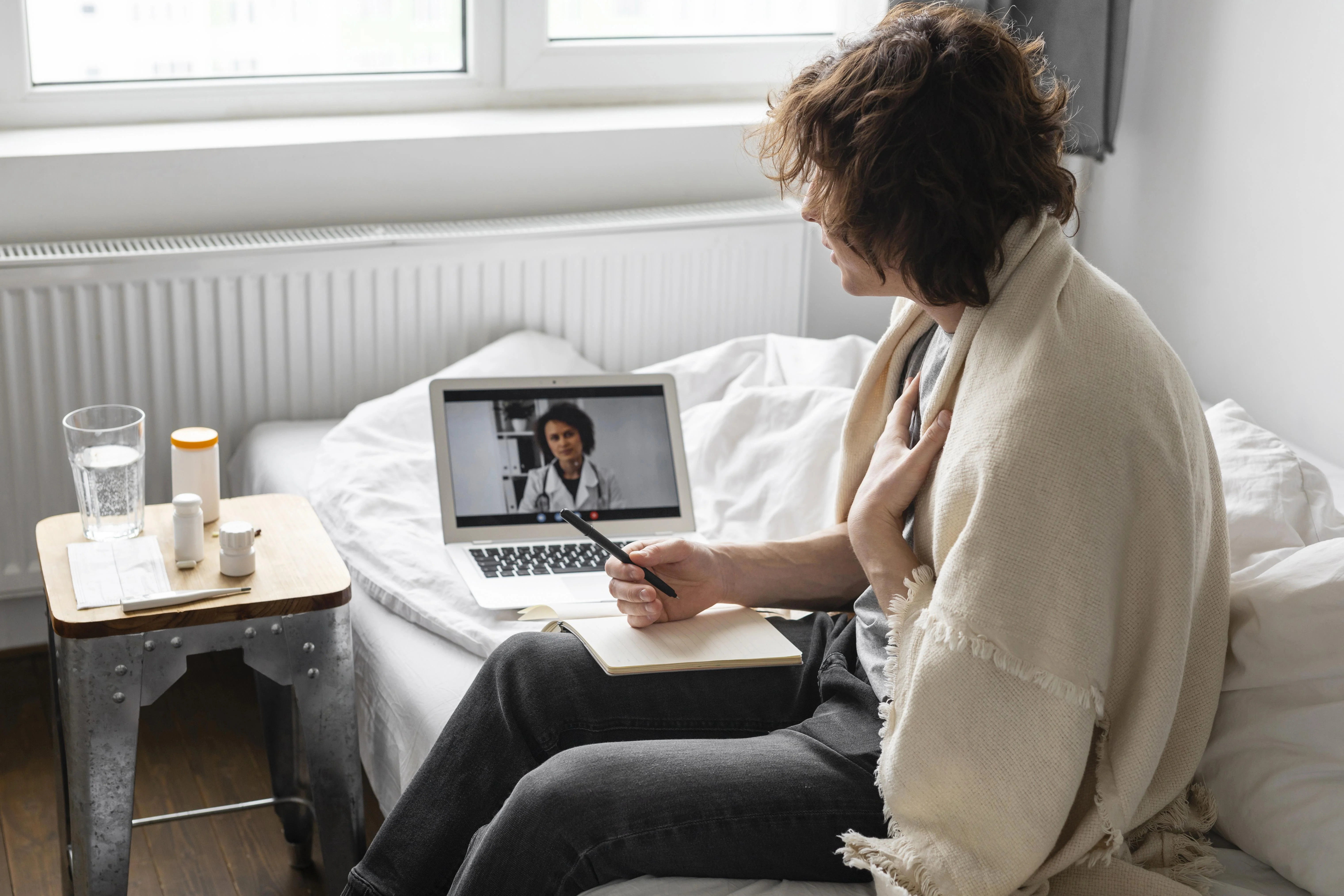
Every few weeks, I hear the same hesitations from people considering a virtual doctor's visit for the first time. "Isn't that just for minor stuff?" "Can a doctor really treat my kid over video?" "Is it even legit to get medication like semaglutide without seeing someone in person?"
Fair questions. Alaska's healthcare system has some genuine quirks — long distances, unpredictable weather, and a shortage of specialists outside the bigger cities — and those quirks have created a lot of assumptions about telehealth that aren't quite accurate anymore. Let's go through the biggest ones.
Myth: Telehealth Is Only for Minor, Throwaway Complaints
Reality: This was closer to true five years ago. Now it's not.
A solid telehealth doctor in Anchorage handles a lot more than "I have a cold." Chronic condition management, medication follow-ups, dermatology concerns, behavioral health, and post-diagnosis check-ins all move through video visits regularly. The difference isn't whether the issue is "serious" — it's whether the issue needs hands-on examination or diagnostic equipment.
Things that genuinely do go through telehealth well in Anchorage:
- Ongoing management of conditions like high blood pressure or asthma
- Skin issues that can be assessed visually
- Prescription renewals and medication reviews
- Mental health support
- Follow-up care after a hospital or urgent care visit
Things that still need a physical exam: broken bones, chest pain, anything requiring bloodwork or imaging on the spot. A provider who's honest with you will say so instead of stretching a video call past its usefulness.
Myth: Kids Can't Really Be Treated Over Video
Reality: Pediatric telehealth is one of the more effective uses of the format, not one of the weaker ones.
Kids get sick at the worst times — right before bed, right before a trip, right when the clinic closes for the weekend. An online pediatrician visit in Alaska gives parents a way to get a real medical opinion within the hour instead of waiting it out overnight or driving to urgent care for something that might not need it.
Where pediatric telehealth works well:
- Fevers without other red-flag symptoms
- Ear pain, sore throats, and common colds
- Rashes and skin irritation
- Sleep or behavioral concerns
- Medication questions after a diagnosis
One thing that trips parents up: they assume a video visit means less attention than an in-person one. In practice, it often means the opposite — no rushed waiting room, no distracted sibling in tow, just a focused conversation about your child's symptoms with good lighting and a clear view of whatever's going on.
Where it stops making sense is anything involving breathing difficulty, high fevers in very young infants, or an injury that might need imaging. A responsible pediatric telehealth provider will tell you to go in rather than trying to manage it remotely.
Myth: Getting Semaglutide Through Telehealth Means Skipping the Real Evaluation
Reality: This is probably the biggest misconception, and honestly, it's a fair concern given how many low-quality weight-loss platforms exist online. But a properly run semaglutide telehealth consultation in Alaska isn't a shortcut — it's the same clinical evaluation you'd get in person, just without the drive.
A legitimate consultation covers:
- A full medical history, including thyroid and pancreatic conditions
- Current BMI and weight-related health markers
- Any existing diabetes diagnosis or prediabetes indicators
- Other medications that could interact
- Realistic goals and past attempts at weight management
If a provider approves you without asking about any of that, that's a red flag — not proof that telehealth is faster. The good programs slow down here on purpose.
What People Don't Expect: The Follow-Up Commitment
The part people underestimate is what happens after approval. Semaglutide isn't a one-time prescription — it requires:
- Scheduled check-ins to monitor progress and side effects
- Dosage adjustments as your body adapts
- Ongoing conversations about diet and activity alongside the medication
- A clear way to report side effects between visits, not just at the next appointment
Programs that skip this part aren't really managing your care — they're just refilling a prescription. That distinction matters more than people realize when they're comparing options.
Myth: Alaska's Internet and Geography Make Telehealth Unreliable
Reality: This depends heavily on where you are, but for most of the population — Anchorage, the Mat-Su Valley, Juneau, and other road-system communities — connection quality isn't the obstacle it used to be. Rural and off-grid areas can still run into issues, and that's a real limitation worth acknowledging rather than glossing over.
What matters more than bandwidth is whether the provider is actually licensed to practice in Alaska and understands the state's specific rules. Telehealth regulations vary by state, and a platform based elsewhere may not be set up correctly for Alaska patients — which can create problems with prescriptions, follow-ups, or insurance down the line.
Myth: Telehealth Is a Lesser Version of In-Person Care
Reality: It's not lesser — it's a different tool for a different situation. The mistake is treating it as a replacement for everything instead of the right fit for specific needs.
Telehealth works best when:
- The issue can be assessed visually or through conversation
- You need a fast opinion on whether something requires in-person care
- Distance or scheduling makes an in-person visit genuinely difficult
- You're managing an ongoing condition that doesn't need a physical exam each time
In-person care still wins when:
- Diagnostic tests, imaging, or bloodwork are needed
- The condition is urgent or unclear enough to need hands-on evaluation
- It's a first-time diagnosis of something complex
Final Thoughts
Most of the hesitation around Alaska telehealth comes from outdated assumptions, not the current reality. Video visits handle a wider range of care than people expect — from routine Anchorage appointments to pediatric concerns to structured programs like semaglutide management — as long as the provider is licensed in Alaska and willing to be upfront about what video care can and can't do.
The providers worth using are the ones who tell you when to log off and go to a clinic instead. That honesty is really the whole test.