Sign up with Google
 Sign in with Zoho

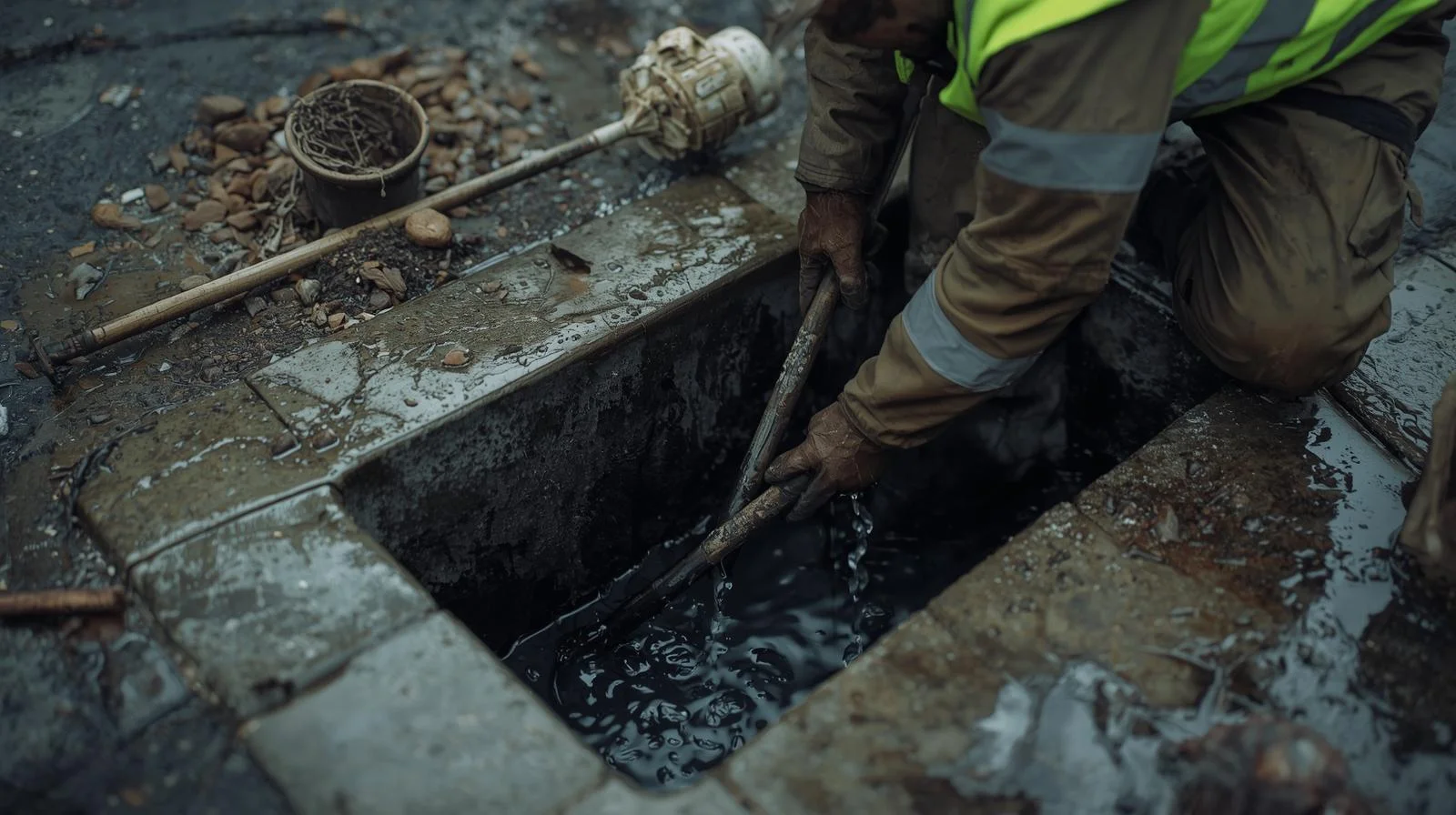
It sits flush with the floor, barely noticed until something goes wrong. The floor drain is one of the most taken-for-granted components in any building, residential, commercial, or industrial, and it is consistently one of the most neglected. In Swedish properties, where floor drains appear in bathrooms, laundry rooms, utility spaces, garages, and commercial kitchens as a matter of standard construction practice, that neglect has predictable consequences: foul odours that seem to come from nowhere, slow-draining water that pools across the floor, and in the worst cases, sewage backup that forces expensive remediation and temporary closure of affected spaces. Write
None of this is inevitable. Understanding how floor drains work, what causes them to fail, and how to maintain them correctly transforms a chronic problem into a managed, preventable one.
What a Floor Drain Actually Does
A floor drain serves two distinct functions that are easy to overlook precisely because they operate invisibly.
The first is surface water collection, channelling water from cleaning, equipment runoff, appliance drainage, or accidental spillage away from the floor surface and into the building's drainage system. In a bathroom, this means shower overflow and cleaning water. In a commercial kitchen, it handles continuous wash-down. In a garage or industrial space, it manages everything from rainwater tracked in by vehicles to process fluid spillage.
The second function is equally important and more frequently misunderstood: the floor drain acts as a seal against the drainage system beneath it. Every floor drain incorporates a water trap, a curved section of pipe that retains a small volume of standing water.
When a floor drain fails, whether through blockage, trap evaporation, or mechanical damage, it fails on one or both of these functions simultaneously.
Maintenance Practices That Prevent Problems
A disciplined maintenance routine for floor drains requires very little time but prevents a disproportionate amount of problems. The following practices apply across residential, commercial, and industrial settings in Sweden.
Monthly water top-up for all infrequently used drains with a small oil addition for those in heated spaces with low humidity. Mark it in a building maintenance log or set a calendar reminder. It takes thirty seconds per drain and eliminates trap evaporation odour.
Quarterly grate cleaning and drainage of the body should be done for bathrooms, laundry areas, and utility areas that are commonly used. The grate should be removed and cleaned of any accumulated waste materials using hot water. In commercial kitchens and food-preparation areas, this may be reduced to a weekly or monthly basis.
Annual inspection of drain body condition, checking for cracks in the drain body, deterioration of the sealing gasket at the waterproofing membrane junction, and the condition of the grate and its retaining mechanism. Drain bodies in Swedish wet rooms are typically manufactured to SITAC or equivalent certification standards, and any component showing deterioration should be replaced before water damage to the surrounding construction occurs.
Post-winter inspection of outdoor and garage floor drains: Swedish freeze-thaw cycles can displace drain grates, crack drain bodies in unheated spaces, and introduce grit and debris that accumulates over winter and restricts flow. An early spring inspection and clean of outdoor drainage is a sound annual maintenance practice.
Floor Drains in Commercial and Industrial Settings
The importance of maintaining floor drains is greater in commercial and industrial premises compared to residential properties. Clogging of floor drains in commercial kitchen areas of restaurants during peak operating hours becomes a serious health and operational issue. Drain clogging in a food processing plant may result in a government inspection. Malfunctioning floor drains in garages and workshops lead to issues with environmental compliance where there is spillage of hydrocarbons in the drainage line without passing through the oil separator.
Maintenance of floor drains needs to be included in the planned maintenance programme where maintenance intervals are determined and maintained by professionals. The floor drains need high-pressure jetting, as it will ensure that grease and other solid waste deposits that cannot be removed with conventional cleaning methods are flushed out. Grease interceptors connected to commercial kitchen floor drains require separate maintenance attention. An overflowing or undersized grease interceptor sends fat directly into the drainage pipework, where it accumulates rapidly and creates blockages that extend well beyond the immediate drain line into the shared building drainage system.
When Odour or Backup Persists Despite Maintenance
If you have topped up the trap and cleaned the drain body, and the odour or drainage problem persists, the issue is in the pipe system below the drain, not the drain itself. At this point, investigation requires tools and access that go beyond routine property maintenance.
A drainage specialist who is trained in using CCTVs would be able to determine the status of the pipework, locate and understand the cause of any blockage or defect, and then suggest the proper solution, such as hydro-jet cleaning for the accumulation of scale and debris, pipe relining for a damaged section, or repairing a displaced connection or root-infested section.
For reliable diagnosis and resolution of floor drain problems, from the stop-floor drain inspection that identifies what is actually causing the issue to the professional cleaning that restores full drainage performance, Spolbilarna works with property owners, housing associations, and commercial operators across Sweden to deliver drainage maintenance that addresses root causes rather than repeated symptoms.