Sign up with Google
 Sign in with Zoho
.webp)
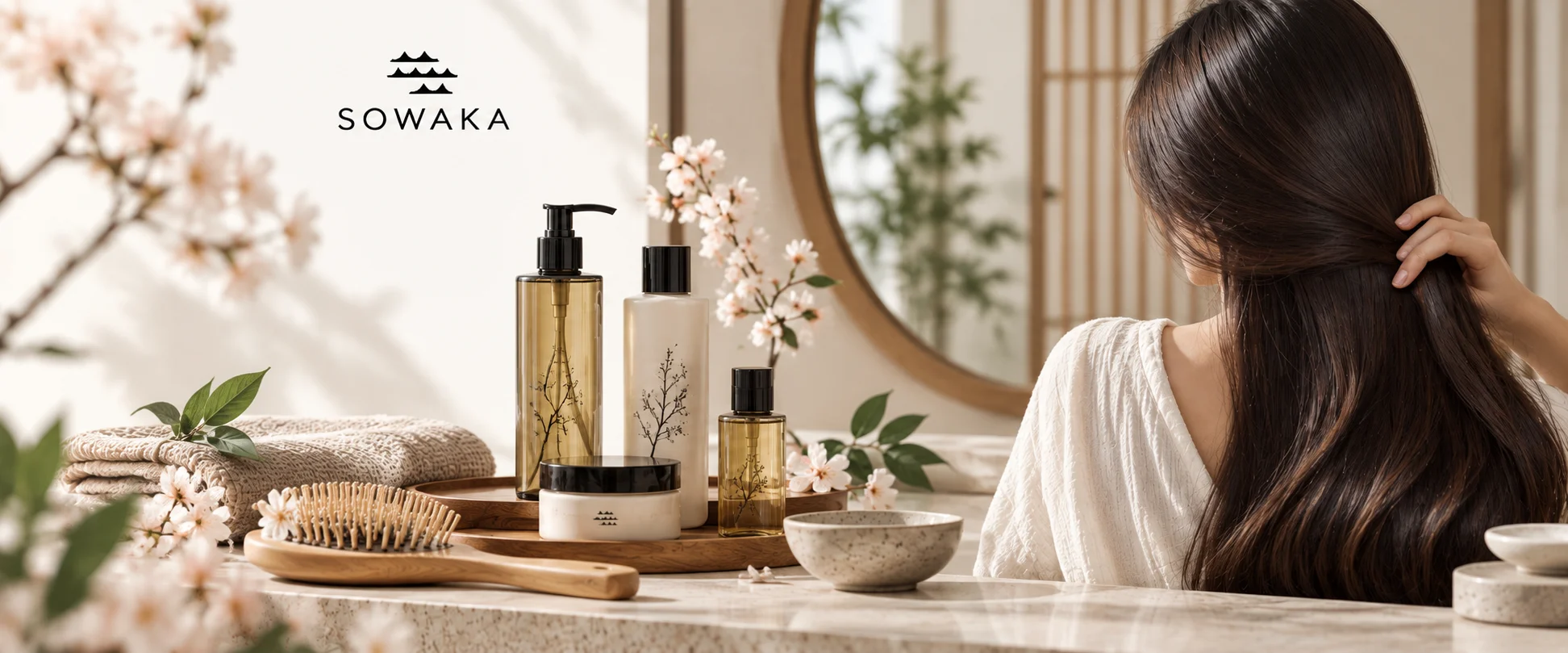
Walk into any beauty shop, or open any online store, and the Japanese hair-care selection can feel overwhelming: shampoos, conditioners, masks, oils, scalp treatments, and more. The catch is that no single bottle suits every head of hair. The right choice depends on your scalp, your texture, how dry or damaged your strands are, how thick they are, and how you style them. This guide breaks down each factor so you can narrow the options and skip what doesn't fit.
Start With Your Hair Type and Main Concern
Identify your hair type and biggest frustration before buying anything, because that pairing determines which products are worth trying. Japanese hair care spans many formulas, so a clear starting point prevents guesswork.
Fine or thin hair looks limp under heavy formulas, so lightweight conditioning usually works better. Thick or coarse hair often wants richer products. Straight hair shows oil quickly, while wavy and curly hair runs drier because natural oils travel less easily down a bend. Dry or damaged hair generally needs more moisture, and frizz-prone hair usually responds to hydration and a smoothing finish. Hair responds differently from person to person.
Choose Products Based on Your Scalp
Shampoo primarily cleanses the scalp, while conditioner and richer treatments are meant for the lengths and ends. The two areas often have different needs; an oily scalp with dry ends is common.
An oily scalp generally suits a balancing shampoo used regularly, while a dry or uncomfortable scalp tends to prefer gentler, hydrating cleansers. Dull, heavy-looking hair may signal product buildup, and an occasional deep-cleansing shampoo can help. Sensitive scalps do better with simple, lightly fragranced formulas and a patch test first. Cosmetic products aren't medical treatments, so see a dermatologist for persistent itching or irritation.
Match the Product to Your Hair's Needs
Shampoo cleanses. Conditioner softens and detangles after washing. A hair treatment is a more concentrated conditioning product, useful when hair feels stressed, and a hair mask is a richer version, typically used weekly. Hair oils and leave-in products tame frizz and add shine, which suits dry, coarse, or curly hair more than fine hair. Scalp-care products, such as scrubs, are optional and mainly help with oil or buildup.
Pay Attention to Ingredients and Formula
Read the ingredient list rather than relying on front-of-bottle claims. Suitability varies by person, and no ingredient can guarantee hair growth, repair, or a medical result.
Dry hair often does well with moisturizing ingredients like glycerin or plant oils, and camellia oil is common in Japanese beauty products. Fine hair usually prefers lightweight conditioning, while dry or coarse lengths welcome oils. Damaged hair benefits from regular conditioning treatments, and oily scalps need a stronger cleanser than dry ones.
Retailers such as Sowaka NYC, which offers thoughtfully selected Japanese and Japanese-inspired beauty and hair-care products, make it easier to compare formulas side by side.
Don't Ignore How You Use the Product
Application affects results as much as the formula. Apply shampoo mainly to the scalp and let the rinse carry it through the lengths. Work conditioner and treatments from mid-lengths to ends, keeping them off the roots if your hair is fine or your scalp is oily. Consistency matters more than quantity, so use modest amounts.
How to Build a Simple Routine
A routine can be as short as four steps: cleanse, condition, treat, and protect. Choose a shampoo for your scalp, a conditioner for your lengths, a weekly treatment or mask if hair feels stressed, and a leave-in or light oil to help shield the ends from dryness. Most Japanese hair care products fit one of these steps
Frequently Asked Questions
What type of Japanese hair-care products are best for dry hair?
Look for moisturizing conditioners, weekly hair masks, and a light oil or leave-in for the ends. Choose a gentle shampoo that doesn't leave your scalp tight. Fine, dry hair usually needs lighter textures, while coarse hair often tolerates richer creams and oils.
How do I choose Japanese hair-care products for an oily scalp?
Start with a balancing or clarifying shampoo and focus it on the scalp. Keep conditioner and oils on the mid-lengths and ends, away from the roots. If oiliness comes with persistent itching or flaking, check with a dermatologist rather than switching products repeatedly.
How many hair-care products do I actually need?
Most people do well with a shampoo and conditioner, plus one extra product that addresses their main concern, such as a weekly mask, a leave-in, or a scalp product. Add more only if your hair shows a clear, ongoing need.