Sign up with Google
 Sign in with Zoho

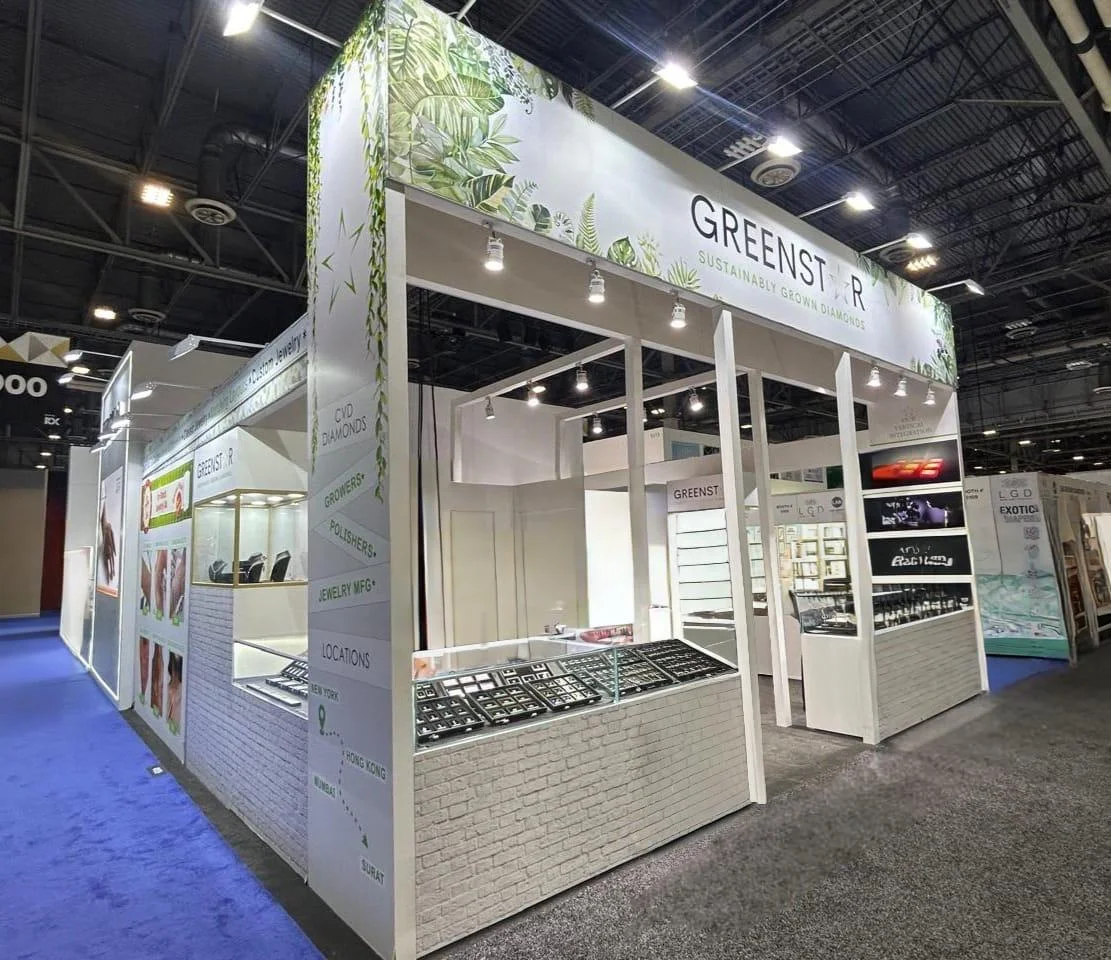
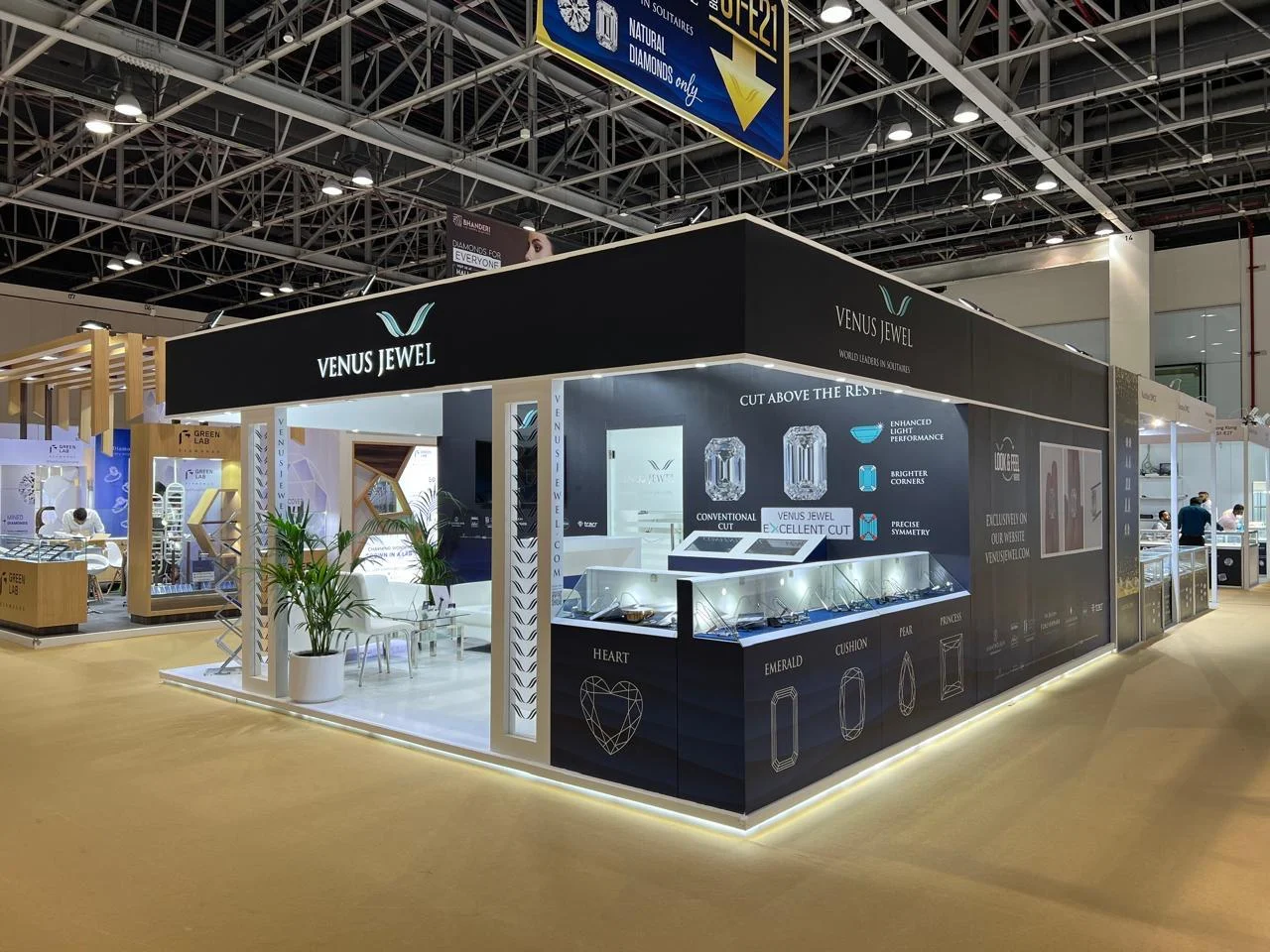
Most exhibitors focus on how a booth looks and almost never ask what it's actually made of. That's a mistake, because material choice affects nearly everything that matters after the design is approved, durability, weight, cost, how the booth travels, and how it holds up across multiple shows.
Understanding what goes into tradeshow booth construction services helps you ask better questions and avoid surprises once your booth is built. Here's a real breakdown of the materials involved, and what each one actually means for your exhibit.
Structural Materials: What the Booth Is Actually Built On
Every booth starts with a frame, the skeleton that everything else attaches to. What that frame is made of determines strength, weight, and reusability.
Aluminum Extrusion
· The most common structural material in modern exhibition booth constructors, used for both custom and modular systems
· Lightweight compared to wood or steel, which reduces shipping costs and makes assembly easier
· Highly durable and resistant to warping, making it ideal for booths that will be assembled and disassembled repeatedly across multiple shows
· Slightly higher upfront cost than wood framing, but the long-term durability often offsets that difference for exhibitors showing more than once or twice a year
Wood (MDF and Plywood)
· Still widely used for custom builds, particularly for detailed millwork, counters, and reception desks
· Offers a warmer, more finished aesthetic than raw aluminum, and is easier to shape into custom curves or detailed features
· Heavier than aluminum, which increases shipping costs and makes the structure less practical for booths built to travel to many different shows
· More vulnerable to humidity and temperature changes during storage, which can lead to warping over time if not stored properly
Steel
· Used selectively for structural elements requiring extra load-bearing strength, such as double-deck stands or suspended signage
· Much heavier than aluminum, so it's typically reserved for specific structural needs rather than the entire frame
· Critical for any construction requiring formal structural engineering sign-off, particularly for two-story builds
Surface and Finish Materials: What Attendees Actually See
The frame is invisible once the booth is built, these are the materials that create the visual impression attendees actually respond to.
Laminate
· A cost-effective surface finish applied over wood or composite panels, available in a wide range of colors, textures, and finishes
· Durable enough for repeated handling, making it a practical choice for counters, walls, and display surfaces that get touched often
· Doesn't offer the same premium feel as natural materials, but performs well for budget-conscious builds without looking cheap when specified thoughtfully
Acrylic
· Used for signage, dividers, product displays, and accent features where a clean, modern look is the goal
· Can be backlit for a premium lighting effect, which is one of the more cost-effective ways to add visual impact to a booth
· More prone to scratching than some alternatives, so handling and packing during transit matter more with acrylic components
Fabric
· Increasingly common for both structural graphics (tension fabric displays) and softer design elements like partition walls
· Significantly lighter than rigid panel materials, which reduces shipping weight and cost meaningfully on larger booths
· Wrinkle-resistant fabric specifically engineered for tradeshow use holds up far better under repeated packing than standard fabric
· Easier to reprint and update than rigid graphic panels, making it a practical choice for brands that refresh messaging between shows
PVC and Foam Board
· Common for cost-effective graphic panels and temporary signage
· Lightweight and easy to work with, but generally less durable than acrylic or laminate for anything intended to survive multiple shows
· Best suited for elements that are expected to be replaced periodically rather than reused indefinitely
Graphic and Print Materials: Where Brand Identity Comes Through
Vinyl Graphics
· The standard for applying branded imagery to rigid surfaces, offering strong color accuracy and durability
· Resistant to scuffing and fading better than some cheaper print alternatives, though quality varies significantly by grade
· A key area where cutting costs shows up quickly, low-grade vinyl fades and peels noticeably faster than professional-grade material
Dye-Sublimation Fabric Printing
· Used for fabric displays and tension structures, producing vibrant, wrinkle-resistant graphics that hold color well over repeated use
· Generally more durable for travel and reuse than standard printed fabric, which matters if the same graphics need to survive several shows
Why Material Choice Actually Matters
Understanding materials isn't just a technical detail, it directly affects outcomes exhibitors care about.
Weight affects shipping cost. Heavier materials like solid wood and steel increase freight costs every time the booth travels, which adds up significantly for exhibitors doing multiple shows a year.
Durability affects long-term cost. A booth built with materials that don't hold up to repeated assembly and disassembly ends up needing repairs or replacement sooner, which can make an initially cheaper build more expensive over its actual lifespan.
Material choice affects how a booth ages visually. Lower-grade laminates, vinyl, and print materials fade and show wear faster, meaning a booth can start looking dated well before the structure itself fails.
Some materials require professional installation expertise. Structural steel, complex acrylic fabrication, and double-deck construction all require a construction team with the right technical experience, not every provider offering tradeshow booth construction services has equal capability across every material type.
Storage conditions matter differently by material. Wood is more vulnerable to humidity than aluminum; fabric needs different care than rigid panels. Knowing what your booth is made of tells you how it actually needs to be stored between shows.
Questions to Ask About Materials Before You Commit
1.What structural material is used for the frame, and why was it chosen for my specific booth?
2.What's the expected lifespan of the finish materials being proposed, given how often I'll be exhibiting?
3.Is the vinyl or fabric printing professional-grade, and how does that affect durability over multiple shows?
4. How does the material choice affect total shipping weight and cost?
5. Are there lower-cost material alternatives that wouldn't meaningfully compromise durability or appearance?
The Bottom Line
Material choice isn't a technical afterthought handled entirely behind the scenes, it directly shapes your booth's weight, cost, durability, and how it looks after its first few shows. Understanding the basics of what goes into professional tradeshow booth construction company, from aluminum framing to fabric graphics, gives you the ability to ask sharper questions, compare quotes more meaningfully, and avoid the disappointment of a booth that doesn't hold up the way you expected. The right materials aren't always the most expensive ones; they're the ones matched correctly to how, and how often, you're actually going to use your booth.