Sign up with Google
 Sign in with Zoho

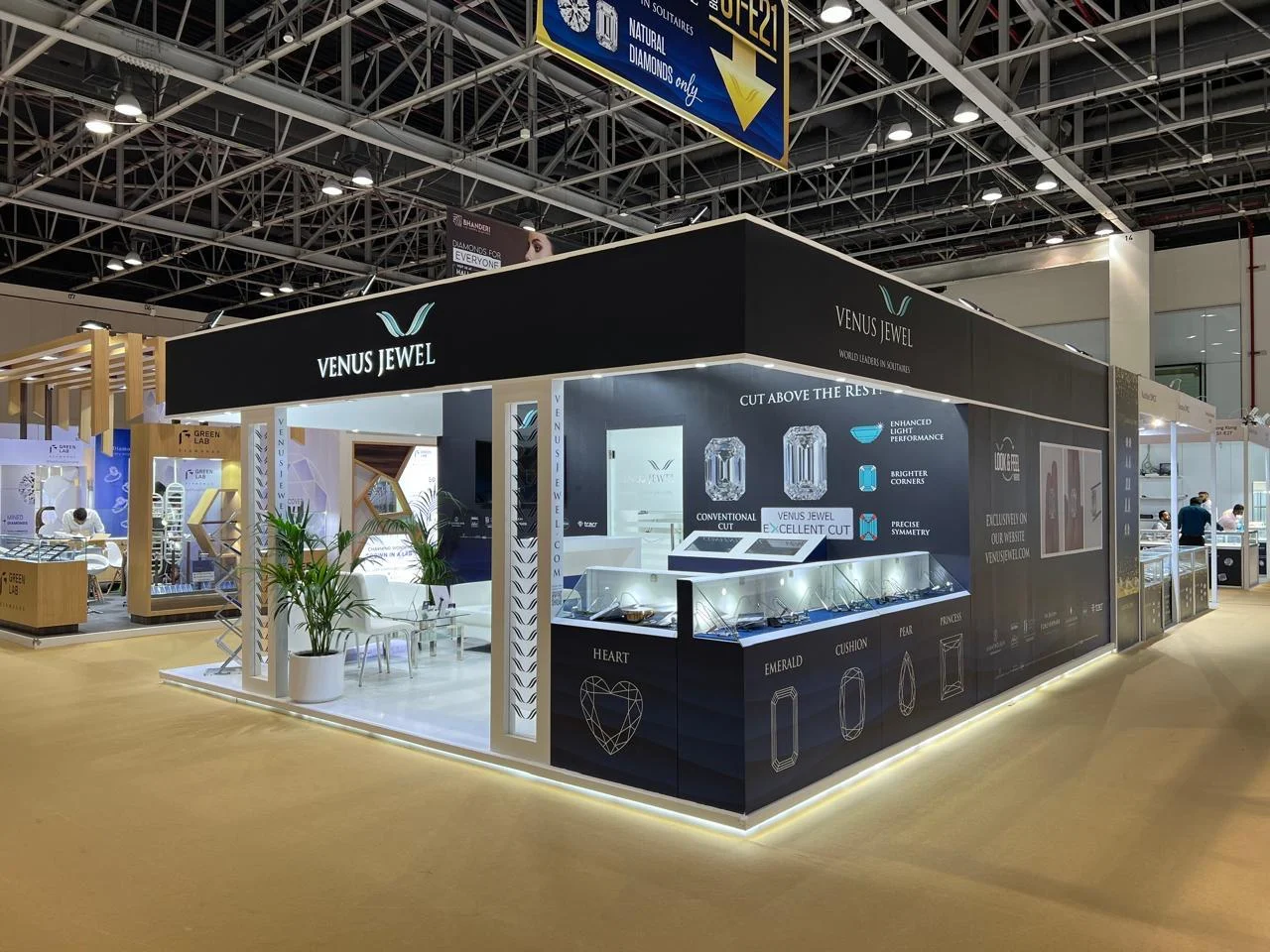
A bigger budget does not guarantee a better booth. Walk any show floor and you will see large, expensive stands that blur together, and small, well-planned ones that draw a steady crowd.
The difference is rarely money. It is clarity, focus, and a few smart decisions made early. This guide shares trade show display ideas that cost little or nothing extra, along with the reasoning behind each, so you can judge which ones suit your brand, audience, and venue.
The suggestions reflect patterns commonly seen in exhibition projects. Costs and results vary by show, city, and industry, so confirm figures with your stand builder or the organiser before you commit.
Quick Answer
If your budget is fixed, focus on these five areas:
1. A single clear message visible from the aisle
2. Strong lighting and graphics instead of extra structure
3. Open layout that invites visitors in
4. One interactive element that gives people a reason to stop
5. Early planning, which avoids rush fees and costly fixes
1. Lead with One Clear Message
Visitors decide in seconds whether to stop. If your booth tries to say everything, it says nothing.
· Choose one headline that states what you do or the problem you solve.
· Keep it short enough to read from several metres away.
· Place it at eye level or above, where it is visible over other visitors’ heads.
· Support it with one or two proof points, such as a product photo or a key result.
This is one of the lowest-cost booth ideas for trade shows because it only needs better planning and editing, not more material.
2. Spend on Lighting, Not Extra Structure
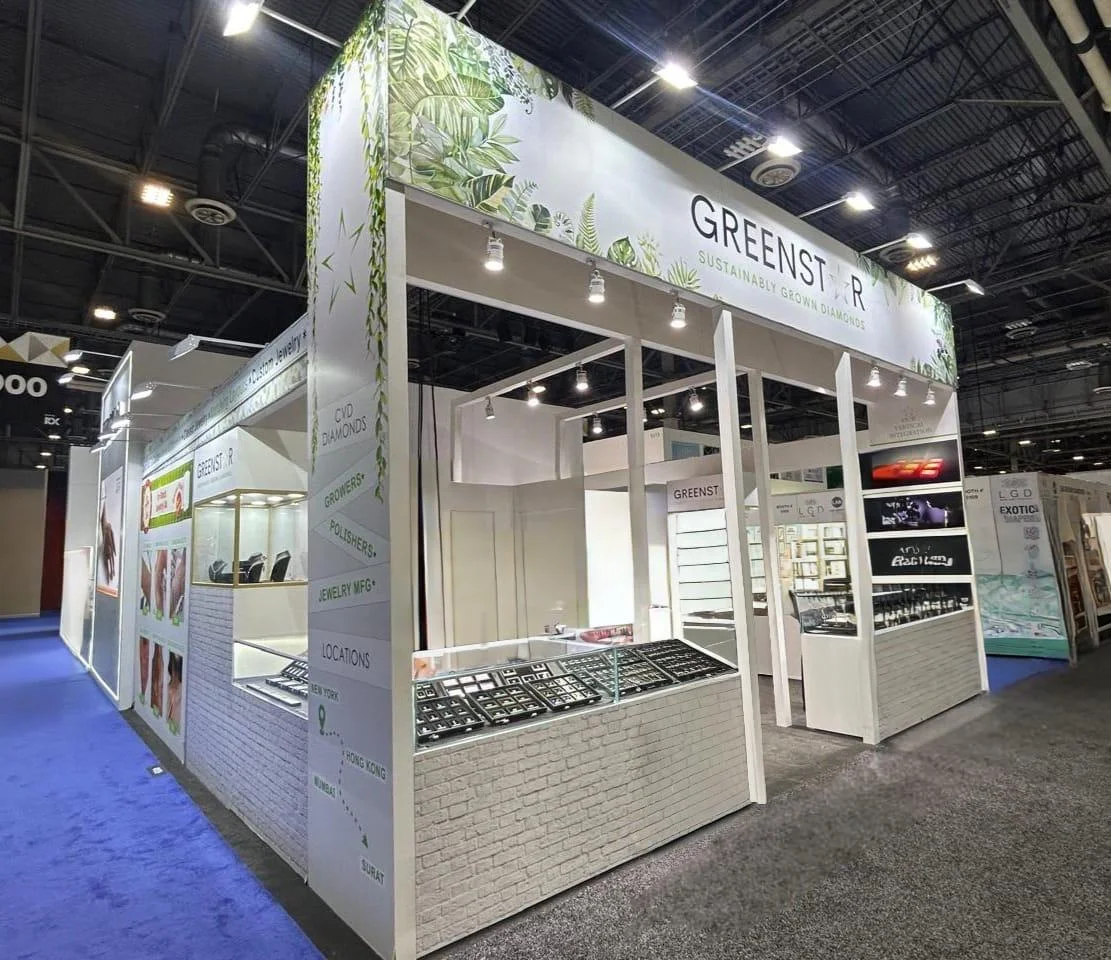
Light shapes how people see your brand. A modest stand with good lighting can look more premium than a larger one with flat, uneven light.
· Use spotlights or track lights to highlight products and key graphics.
· Add warm accent lighting to counters or product shelves.
· Backlit fabric graphics can create a bright focal point for a modest cost.
· Avoid harsh, single-source lighting that casts shadows over displays.
Check venue rules and power availability early, since lighting needs may require extra power points.
3. Choose Graphics That Do the Heavy Lifting
Large, high-quality graphics can transform a basic frame. Fabric and tension-fabric systems are often lighter, reusable, and easier to ship than rigid walls.
· Use sharp, high-resolution images, since blurry prints weaken the whole booth.
· Limit text. A strong image and a short line outperform a block of copy.
· Keep brand colours consistent so the stand is recognisable from a distance.
· Design graphics so they can be updated between shows without rebuilding the stand.
Among trade show booth designs ideas, this one gives some of the best return, because graphics are the first thing visitors notice.
4. Keep the Layout Open and Welcoming
Many exhibitors crowd their space with tables, chairs, and products. That creates a barrier. Visitors hesitate to enter a space that looks full or sales-heavy.
· Leave a clear entrance on the aisle side.
· Place counters and tables to the side or back, not across the front.
· Limit furniture to what you will actually use.
· Create one defined area for conversations, even if it is just two stools and a small table.
Open layouts cost nothing and often improve both footfall and conversation quality.
5. Add One Interactive Element
You do not need a large LED wall or complex installation. One well-chosen interactive feature can give visitors a reason to stop and talk.
Creative trade show booth ideas that work on modest budgets:
· A hands-on product demo where visitors can touch, test, or compare
· A simple quiz or poll on a tablet that leads to a conversation
· A “problem wall” where visitors mark their biggest challenge with stickers
· A mini raffle or prize draw linked to a lead form
· A short product video on a single screen, with captions so it works without sound
Pick one that matches your audience. Engineers and technical buyers, for example, often respond better to a real sample or demonstration than to entertainment.
6. Use Your Product as the Display
For many companies, the product itself is the best attraction.
· Give each product space to breathe. Crowded shelves lose impact.
· Use risers or stands at different heights to add visual interest.
· Add a small label with the product name and one key benefit.
· Rotate products between days if you have a large range.
Technical buyers in industries such as engineering, materials, and manufacturing tend to value seeing a precise, well-finished product sample close up.
7. Rent or Reuse Smartly
Smart sourcing can free up money for the elements visitors notice.
· Rent furniture, screens, and accessories instead of buying.
· Choose modular systems that can be reconfigured for different booth sizes.
· Reuse structures and refresh only the graphics.
· Ask your builder which elements can be repurposed for future shows.
If you are deciding between renting and owning, compare the total cost over several shows, including storage and freight, not just the first quote.
8. Train Your Booth Team
The best trade show stand ideas will not help if the team behind the booth is disengaged.
- Brief staff on your key message and top three questions to ask visitors.
- Ask them to stand, not sit, and to avoid phones at the front of the booth.
- Rehearse the pitch inside the finished space, if possible.
- Assign roles: greeter, product expert, and lead capture.
Staff training costs very little and affects every visitor interaction.
9. Plan Early and Build Backward
Rushed projects cost more. Last-minute changes can trigger rush fees, air freight, and overtime labour.
· Start with the show’s move-in date and plan backward.
· Get design approval early and check it against venue rules.
· Label and quality-check components before shipping.
· Allow buffer time so small problems can be fixed before doors open.
Finishing early also lets your team test lighting, screens, and power before the first visitor arrives.
10. Make Follow-Up Part of the Display
Your booth should connect to what happens after the show.
· Add a clear QR code that links to a useful page, brochure, or booking form.
· Keep printed literature minimal and relevant.
· Use a simple lead capture method so every conversation is recorded.
· Prepare follow-up messages before the show begins.
This turns attention into measurable results, which matters when you need to justify your spend.
Quick Reference: Where to Spend and Where to Save
Common Mistakes to Avoid
· Too much text. Visitors scan, they do not read paragraphs.
· Too many messages. Pick one clear focus.
· Blocking the entrance. Tables and banners across the front discourage entry.
· Ignoring venue rules. Height, rigging, and electrical limits can force expensive changes late.
· No clear call to action. Tell visitors what to do next.
· Skipping a test run. Check lighting, screens, and power before opening.
Final Takeaway
A strong booth is built on decisions, not on spending. Focus on a clear message, good lighting, quality graphics, an open layout, and one interactive feature. Train your team, plan early, and make follow-up easy.
These ideas for booth displays work because they respect how visitors behave on a busy show floor: they notice what is clear, bright, and welcoming. Use the ideas that fit your goals, and test what works at each show so your next stand improves on the last.