Sign up with Google
 Sign in with Zoho


Dental emergencies are stressful by definition — they arrive without warning and demand immediate decisions. These questions address what patients most commonly need to know when an urgent dental situation arises.
Q: How do I know whether my dental situation is a true emergency?
The clearest emergencies involve severe pain, visible trauma, signs of infection, or situations where delay risks permanent damage. A knocked-out permanent tooth, a dental abscess with spreading swelling, a cracked tooth exposing the nerve, or uncontrolled bleeding from soft tissue all require same-day attention.
Milder situations — a chipped tooth with no pain, a lost filling with minor sensitivity, or a mild toothache that isn't worsening — can typically wait for a regular appointment if one is available within a day or two. When in doubt, call a dental office and describe your symptoms. Most practices can triage effectively over the phone and advise whether to come in immediately.
Q: What should I do in the thirty minutes after a tooth is knocked out?
Act immediately. Handle the tooth by the crown only — never the root. Rinse it gently with water if it's dirty, but don't scrub, dry, or wrap it. If possible, reinsert the tooth into the socket and hold it in place by biting gently on a clean cloth.
If reinsertion isn't possible, store the tooth in milk or in your own saliva (between your cheek and gum is ideal) and get to a dental office within the hour. Reimplantation success rates drop substantially after sixty minutes, and approach near zero after several hours. Speed is the single most important factor.
Q: Can a hospital emergency room treat a dental emergency?
For certain aspects of a dental emergency, yes — and for others, no. ERs can administer pain management and systemic antibiotics for spreading infections. They cannot perform dental procedures. Extraction, root canal treatment, reimplantation, or repair of a fractured tooth require a dentist.
If a dental emergency involves signs of a spreading infection (swelling in the jaw or neck, difficulty swallowing or breathing, fever), an ER visit is the right first step because these signs indicate a potentially systemic situation. For purely dental emergencies, a dental office is the appropriate destination.
Q: What are the signs of a dental abscess, and why does it need immediate treatment?
A dental abscess typically presents as severe throbbing pain (often described as pulsing), visible swelling at the gum line or in the face, sensitivity to temperature, fever, and sometimes a foul taste or smell. In some cases, a visible pimple-like bump on the gum (called a fistula) indicates a draining abscess.
Abscesses are bacterial infections that can spread to surrounding bone and, in serious cases, to the throat, neck, or jaw — a condition called Ludwig's angina that is potentially life-threatening. Even a draining abscess that seems to provide temporary relief needs professional treatment immediately, as the underlying infection has not resolved.
Q: How do I find a reliable emergency dentist in Fort Worth?
Look for a practice that explicitly offers same-day emergency appointments and has an after-hours contact method. Confirm when you call that they can see you that day and that they have the clinical capability to address your specific situation — not just examine you and send you home with a prescription.
For patients seeking an accessible emergency dentist fort worth texas, Smile Muse Spa is equipped to provide same-day emergency care with the full clinical resources to diagnose and begin definitive treatment in a single visit.
Q: What happens during an emergency dental appointment?
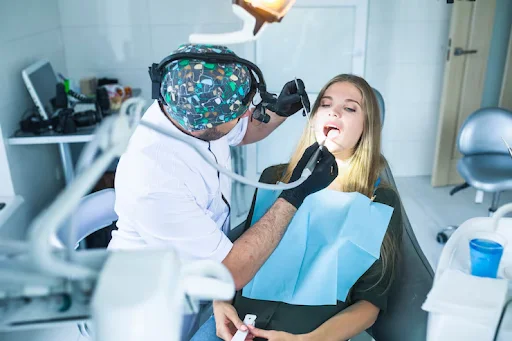
The dentist will take a targeted history of the emergency, perform a clinical examination, and take any X-rays needed to fully assess the situation. From there, immediate treatment is provided — which might involve pain management, extraction, root canal initiation, antibiotics, repair of a fracture, or reimplantation of a knocked-out tooth depending on the situation.
You'll also receive a plan for any follow-up care needed beyond the emergency visit.
Final Thoughts
Dental emergencies often require fast action, and knowing how to respond can make a significant difference in both comfort and long-term outcomes. Whether you're dealing with a knocked-out tooth, severe pain, or signs of infection, seeking prompt professional care helps prevent complications and preserves treatment options. Understanding what qualifies as an emergency, where to seek help, and what to expect during treatment can reduce uncertainty and ensure you receive the timely care needed to protect your oral health.