Sign up with Google
 Sign in with Zoho

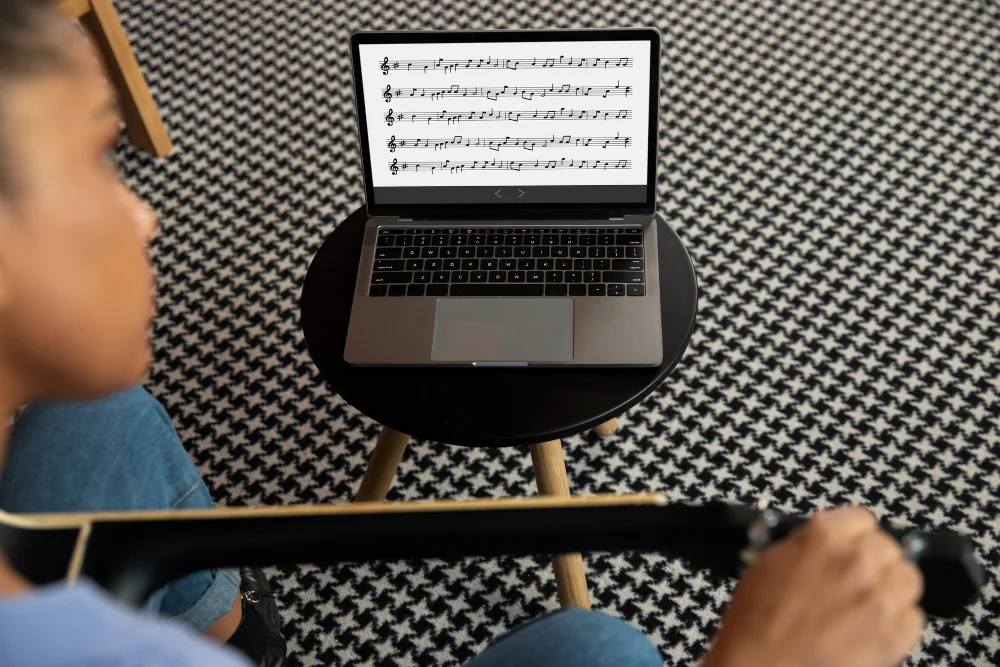
Learning how to read sheet music can feel overwhelming at first. Many beginners look at a page of notes and see nothing but unfamiliar symbols. That's completely normal.
Almost every musician experiences that moment when sheet music looks more like a puzzle than a language. The encouraging part is that music reading develops gradually. You don't need to understand every symbol on day one.
In fact, most players start with only a handful of notes and simple rhythms. With regular practice, those symbols slowly begin to make sense. Eventually, you stop thinking about individual notes and start focusing on the music itself.
Whether you're learning violin, piano, cello, or another instrument, understanding written music gives you the freedom to explore new repertoire and play with greater confidence using custom sheet music designed for your skill level and goals.
Think of Sheet Music as a Language
Musicians often describe notation as the language of music.
Just as words help people communicate ideas, musical symbols tell performers:
- Which notes to play
- How long to hold them
- How fast the music should move
- When to play loudly or softly
- How phrases should be shaped
Once you understand these basics, reading music becomes much less intimidating.
Many students are surprised to discover that music notation follows patterns. After enough exposure, recognizing notes becomes almost automatic.
Understanding the Musical Staff
The staff is where written music lives. It consists of five horizontal lines with spaces between them.
Notes placed on those lines and spaces represent different pitches.
Most beginners encounter two main clefs.
Treble Clef
The treble clef is used by instruments with higher ranges, including:
- Violin
- Flute
- Trumpet
- Piano right hand
If you're learning violin, you'll spend most of your time reading treble clef notation.
At first, remembering note names takes effort. Eventually, however, your brain begins recognizing note patterns without needing memory tricks.
Bass Clef
The bass clef is commonly used by:
- Cello
- Double bass
- Trombone
- Piano left hand
Cellists often become comfortable switching between different clefs as they progress, but beginners usually start with bass clef alone.
Reading Music Notes and Rhythm Together
One common mistake beginners make is focusing only on pitch.
Identifying the correct note is important, but rhythm matters just as much.
A piece played with perfect notes and incorrect rhythm won't sound right.
Some common note values include:
- Whole notes
- Half notes
- Quarter notes
- Eighth notes
These note durations create the pulse and movement within the music.
When I talk with beginning students, many tell me that rhythm actually feels harder than note recognition. That's perfectly normal. Timing usually improves with repetition and listening.
Don't Forget the Rests
Music isn't constant sound.
Silence is part of the music too.
Rests indicate moments when musicians stop playing. They have their own values and work together with note durations to create rhythmic balance.
Ignoring rests is something almost everyone does at the beginning. Over time, musicians learn that silence can be just as expressive as the notes themselves.
Understanding Time Signatures
The numbers at the beginning of a piece are called time signatures.
These numbers tell musicians how beats are grouped.
You'll often encounter:
4/4 Time
Probably the most familiar time signature. Many popular songs and classical works use four beats per measure.
3/4 Time
Common in waltzes and lyrical music.
6/8 Time
Often heard in folk music and flowing melodies.
Once you begin recognizing these patterns, counting becomes much easier.
Musical Symbols Add Expression
Sheet music contains much more than notes.
Composers include symbols that shape the character of the music.
These markings may indicate:
- Dynamics
- Tempo changes
- Accents
- Slurs
- Repeats
At first, beginners often ignore these details because they're concentrating on playing the right notes.
That's understandable.
As reading skills improve, these symbols become increasingly important because they transform notes into music.
Start With Simple Music
It's tempting to jump immediately into advanced pieces.
Most musicians have done it at least once.
Unfortunately, choosing difficult repertoire too early usually creates frustration.
Simple exercises and beginner pieces provide something far more valuable: confidence.
Short pieces allow musicians to focus on rhythm, note recognition, and musical flow without feeling overwhelmed.
Even experienced players return to easy material when practicing sight-reading.
Why Good Sheet Music Makes a Difference
Not every score is equally easy to read.
Poor formatting, cramped spacing, and awkward page turns can make practice unnecessarily difficult.
That's one reason many musicians eventually explore the benefits of custom sheet music. Arrangements designed for a particular skill level or ensemble often provide a much better experience than forcing a standard edition to fit.
For teachers and performers, personalized arrangements can make previously difficult music much more accessible.
Practice Matters More Than Speed
Many beginners assume progress comes from practicing longer.
In reality, consistency usually matters more.
Ten focused minutes each day often produce better results than one long session every week.
Some helpful habits include:
- Reading slowly
- Counting rhythms aloud
- Reviewing note names regularly
- Listening while following the score
- Practicing with other musicians
Learning to read music isn't a race.
The goal isn't speed. It's understanding.
Common Challenges Beginners Face
Every musician encounters obstacles while learning.
Some of the most common include:
- Looking at fingers instead of the page
- Ignoring rhythm
- Playing too quickly
- Becoming discouraged by mistakes
- Choosing music that is too advanced
None of these problems are unusual.
Reading music is a skill built through repetition. Even professional musicians continue improving their reading ability throughout their careers.
Frequently Asked Questions
How long does it take to learn how to read sheet music?
Most beginners understand the basics within a few weeks. Developing strong sight-reading skills usually takes several months of consistent practice.
Is reading music difficult for adults?
Not at all. Adult learners often progress very well because they bring patience and discipline to their practice.
Do I need music theory first?
No. Many musicians learn notation before studying theory in depth.
Can violin players learn sheet music quickly?
Yes. Since violin music mainly uses the treble clef, many students become comfortable reading notes relatively quickly.
Conclusion
Learning how to read sheet music isn't about memorizing hundreds of symbols overnight. It's a gradual process that becomes easier with experience.
At first, the page may seem confusing. Then one day, almost without noticing, you begin recognizing patterns and understanding the music in front of you.