Sign up with Google
 Sign in with Zoho
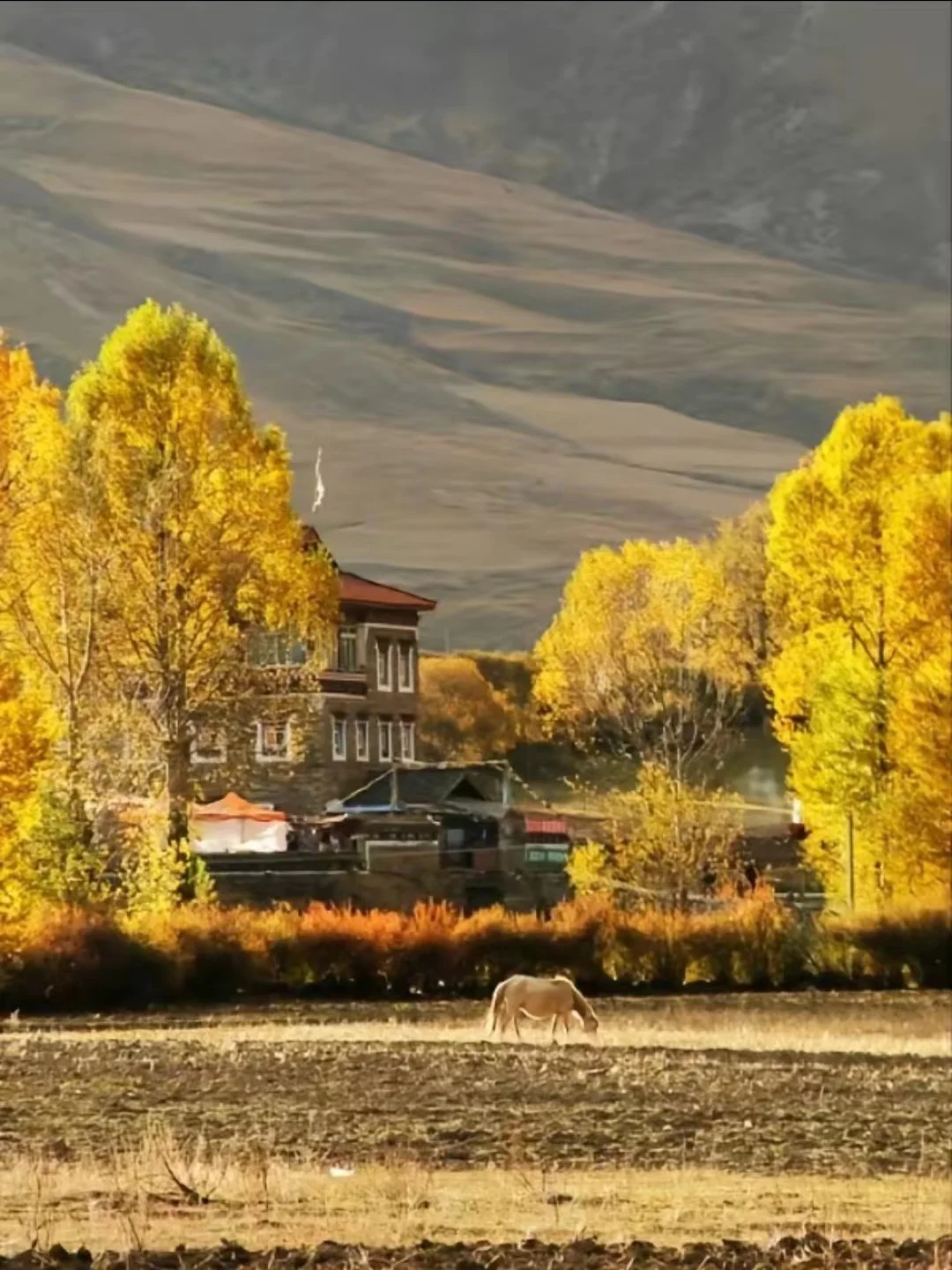
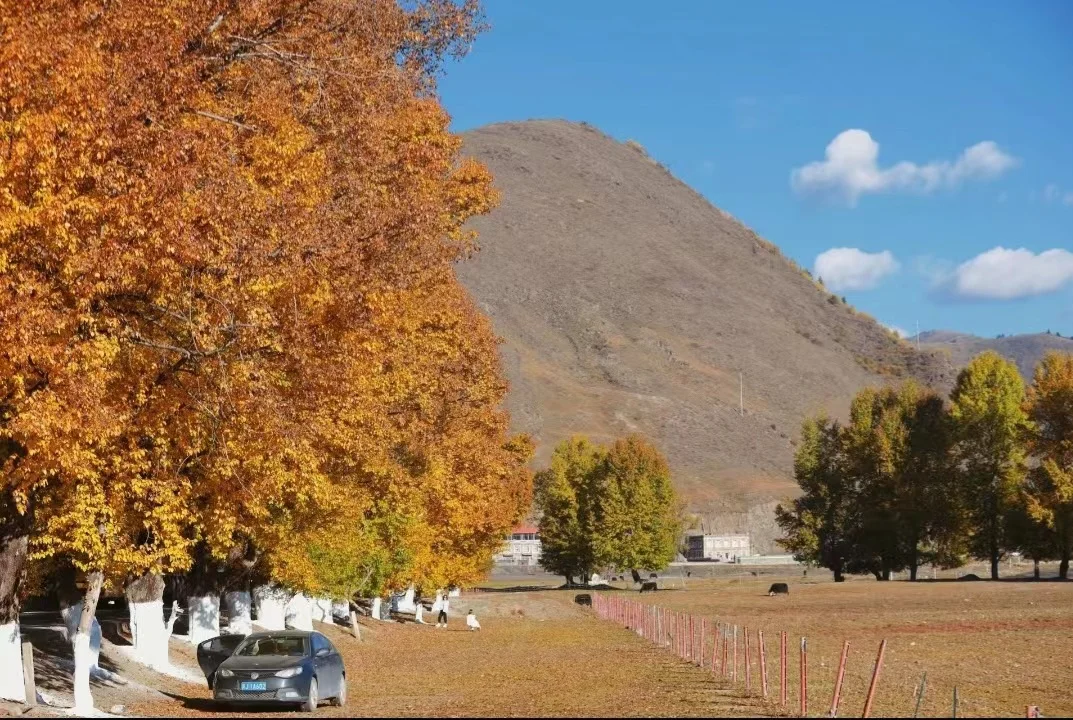
I don’t think I’ve ever really delved deeply into “the meaning of travel”—it seems to have become a cliché—but after leading a tour group, I want to organize my thoughts. All those serendipitous encounters and connections along the way—the touching, unforgettable, and heartwarming moments—have made me want to revisit “the meaning of cultural travel in Tibet.”
· Meeting and getting to know lovely, warm-hearted people
After going through life as a “Beijing drifter,” working at a tech giant, and dealing with the rat race, Tibet seemed to become an “antidote.” It shattered the monotony and predictability of my life. In Tibet, there are no limits. Although language barriers sometimes arose, the connections I made with people, the land, and the heavens along the way felt effortless: At Tshubuk Monastery, we witnessed a grandfather and grandson gazing at each other with deep affection, tears still glistening in the grandfather’s eyes; We left “Star Person” in her cramped meditation cave to accompany Ani, and she watched us depart until the very end; the monks at the Vajra Dance Festival were both solemn and lively; a man from Sichuan trekked side by side with his sheep; the monk at Pingcuolin Monastery did his best to speak Mandarin as he guided us through every nook and cranny; and the monk at Shilin Monastery confided in us about his dilemmas between renouncing the world and engaging with it… Encounters with people—getting to know one another and sharing stories—formed the very essence of this journey.
· An in-depth experience of exclusive, limited-time events
Tibet hosts a wide variety of festivals and events, but due to “information gaps,” inconvenient transportation, and language barriers, it’s difficult to obtain reliable information. My goal is to break down these barriers so we can engage in a deeper, more meaningful experience—rather than just a superficial, “check-the-box” tour. So I began reaching out regularly to friends I’d met in various places, asking about upcoming festivals and their formats. This led to the Vajra Dance and the Unfolding of the Buddha at Tshubuk Monastery, where the master led us into the main hall to personally perform the ritual of placing a pot on our heads; the Wangguo Festival in a tiny village near Shigatse, featuring a grand gathering of the entire village; the monks at Baiju Temple took us to a hard-to-reach “hidden paradise”; during the Shoton Festival, we stood in line to view the unfurling of the Buddha’s image, and the monks even explained the profound meaning behind the debate sessions to us… People often say that such experiences are like a “dream”—a dazzling dream from which I never want to wake up.
· It’s about personally experiencing the warmth and legacy of intangible cultural heritage crafts
In many parts of Tibet, traditional handicrafts are still preserved. I’m not sure exactly when my fascination with them began, but I have a particular fondness for those rough, rustic, handcrafted items that carry the warmth of the artisan’s hands. So, on this cultural journey, I incorporated experiences with various handicrafts: the perseverance required to weave a Tibetan carpet over several months, with life at the carpet factory feeling just like a big family; it’s the three-generation legacy of earthenware pottery in a remote village, where the family relies on pottery for their livelihood; there are also the few remaining workshops carrying on the art of Tibetan paper-making—a painstakingly long process that begins with wolf’s-bane and tests one’s patience to the limit; and there’s the weaving of yak down and tsangdun wool, where every stitch is imbued with warmth.
There are many more stories too numerous to recount—only through firsthand participation can one truly understand them. The meaning of traveling in Tibet lies in these subtle, authentic, and vivid moments.