Sign up with Google
 Sign in with Zoho
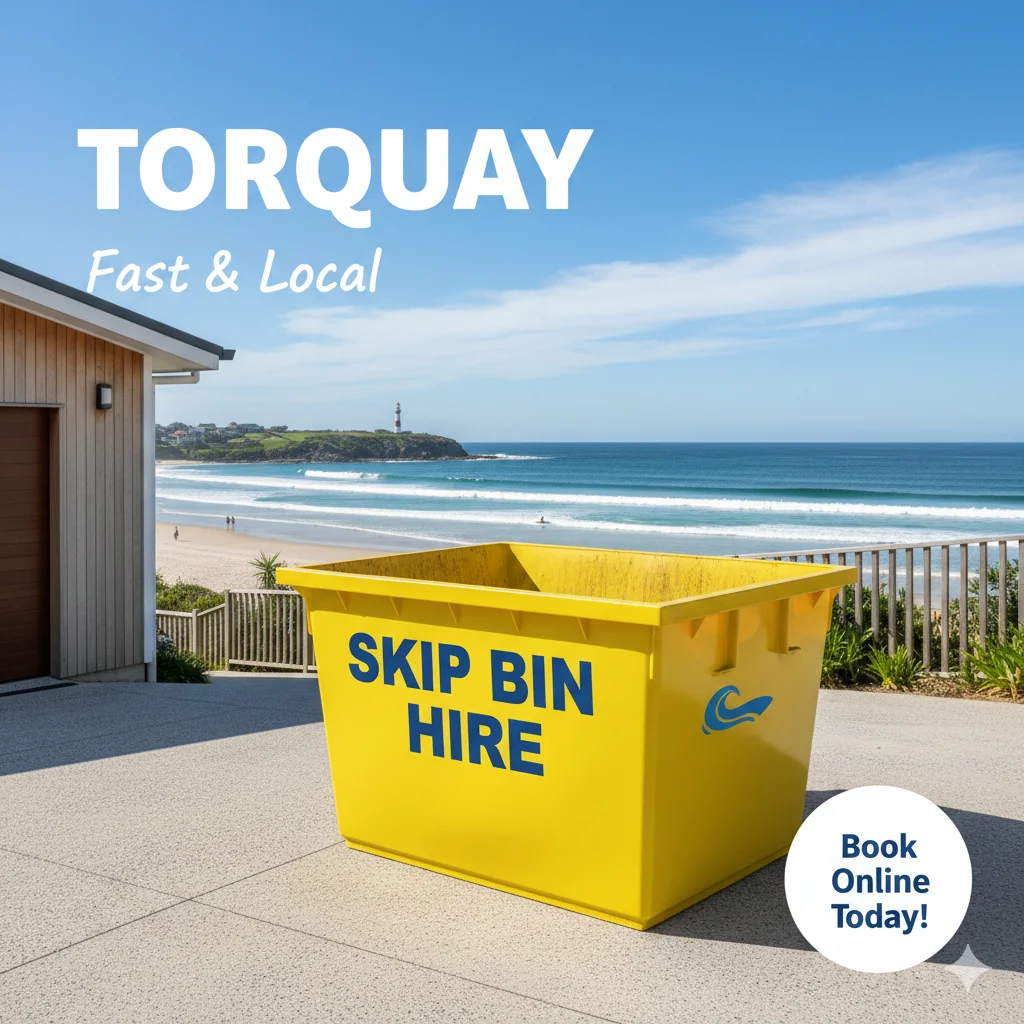
Choosing a skip for a building job is not just about finding a bin big enough for the rubbish. You also need to consider the materials being removed, their weight, site access and how often the bin will need collecting.
A bathroom strip-out, timber deck replacement and concrete demolition can produce very different loads. Before booking, describe your project and waste materials to the provider rather than choosing a bin based on size alone.
For builders comparing skip bin hire options in Torquay, Skip Hire Geelong is a firm to contact about project requirements. Ask about available sizes, accepted materials, weight allowances, and delivery access so you can arrange a bin that suits the job.
Start With the Waste, Not the Bin Size
Make a list of what your project will produce before asking for a quote. Construction and demolition waste can include timber, plasterboard, bricks, concrete, metal, vegetation and excavated soil. Some projects also involve hazardous materials that need separate handling.
Use this simple checklist:
Treat this as a booking checklist, not an acceptance list. Your provider must confirm what can go into the particular bin you hire.
Understand the Difference Between Volume and Weight
Bin capacity is usually described in cubic metres. This tells you how much space the bin holds, but it does not tell you how much weight the provider allows.
Bulky packaging can take up plenty of space without creating the same load as concrete or bricks. That is why “the biggest bin available” is not automatically the right choice.
Before booking, ask:
- What is the bin’s capacity?
- How much weight is included in the quote?
- Are there different loading limits for concrete, bricks or soil?
- What happens if the load exceeds the allowance?
- Are there materials that cannot be mixed?
Avoid relying on a fixed rule such as “one bathroom always needs this size.” The amount of waste depends on what you remove, how much you retain and the materials involved.
Decide Whether Materials Should Be Separated
Putting everything into one bin may seem convenient, but it is worth asking whether separate loads would suit the project better.
EPA Victoria recommends clearly labelled bins for different waste types and appropriate separation of construction waste. Its construction guidance also recommends separate recycling bins for recyclable litter.
Depending on the work and the provider’s conditions, discuss separating:
- Concrete and bricks.
- Scrap metal.
- Timber.
- General building waste.
- Garden material.
- Soil and excavated material.
Ask for a comparison between a mixed-waste arrangement and separate collections. Do not assume either option will always be cheaper; get a quote based on your actual materials.
Keep Asbestos Out of Standard Skips
Asbestos must not go into general waste, recycling or green waste bins. It needs a separate disposal process and must be taken to a facility authorised to receive it.
Before demolition, review any available asbestos information and arrange appropriate assessment where needed. EPA Victoria’s construction guidance highlights identifying asbestos before demolition and ensuring that people handling, transporting and disposing of it are authorised to do so.
If you uncover material you suspect contains asbestos, stop disturbing it and seek qualified advice. Do not break it up to fit it into a skip.
Also tell your provider about paint, chemicals, liquids or other potentially hazardous materials before booking. These require specific advice rather than being treated as ordinary building rubble.
Check Site Access Before Delivery
A suitable bin still needs a workable delivery location. Discuss access with the provider before confirming the booking.
Give them details about:
- Driveway and gate width.
- Overhead wires, trees or structures.
- Sloping, soft or uneven ground.
- Parked vehicles and stored building materials.
- Space for the delivery truck to manoeuvre.
- Access needed by other trades and deliveries.
Send photographs or measurements if the access is difficult to describe. Ask the provider to confirm the required clearances rather than guessing.
If you are considering placement on a road, nature strip or other public land, check the current requirements with Surf Coast Shire Council before arranging delivery. Have a placement plan ready, but do not assume public-space placement is automatically permitted.
Plan Collections Around the Work Schedule
Think about when waste will be produced, not just when the project starts.
For example, a strip-out may produce a large amount of waste early in the job, while later stages create smaller amounts of packaging and offcuts. Ask whether one collection, staged collections or bin exchanges would suit your schedule.
Confirm:
- The delivery date.
- The included hire period.
- How collection is arranged.
- Whether exchanges are available.
- Any charges for extra time or additional collections.
Keep collection access clear throughout the hire period. A bin that can be delivered on an empty site may be harder to collect after materials and equipment arrive.
Load Within the Provider’s Limits
Ask for loading instructions before work begins. Confirm the marked fill limit, any restrictions on heavy materials and whether loose waste needs covering.
Do not keep adding rubbish once the bin reaches its agreed limit. EPA Victoria recommends arranging collections to prevent overflow and using covers or other controls so waste cannot blow or wash away.
Make sure everyone on site knows which materials belong in the bin. Clear instructions are especially useful when several trades are working on the same project.
Compare the Full Quote
A useful quote should make the conditions clear, not simply show a starting price.
Ask whether the quoted amount includes:
- Delivery and collection.
- The agreed hire period.
- A stated weight allowance.
- Disposal of your specified waste type.
- Any applicable additional charges.
Also ask what happens if the bin contains unapproved materials, becomes overweight or cannot be collected because access is blocked. Getting these details in writing helps you compare providers on the same basis.
Ask Where the Waste Will Go
Hiring a skip does not remove your responsibility for proper disposal. EPA Victoria states that construction and demolition waste must go to a place authorised to receive it, including when it is removed through a skip-bin service.
Ask the provider where your waste will be taken and request written confirmation. EPA Victoria specifically recommends checking the destination of waste when hiring a skip or disposal service.
Choose a Skip That Fits the Whole Job
The right skip matches your waste type, expected volume, weight and site conditions. Start with an accurate description of the work, then confirm the details before delivery.
When contacting Skip Hire Geelong, have your project type, material list, preferred dates and access information ready. A clear brief makes it easier to discuss a suitable arrangement and keep waste removal organised from the first strip-out to the final cleanup.