Sign up with Google
 Sign in with Zoho

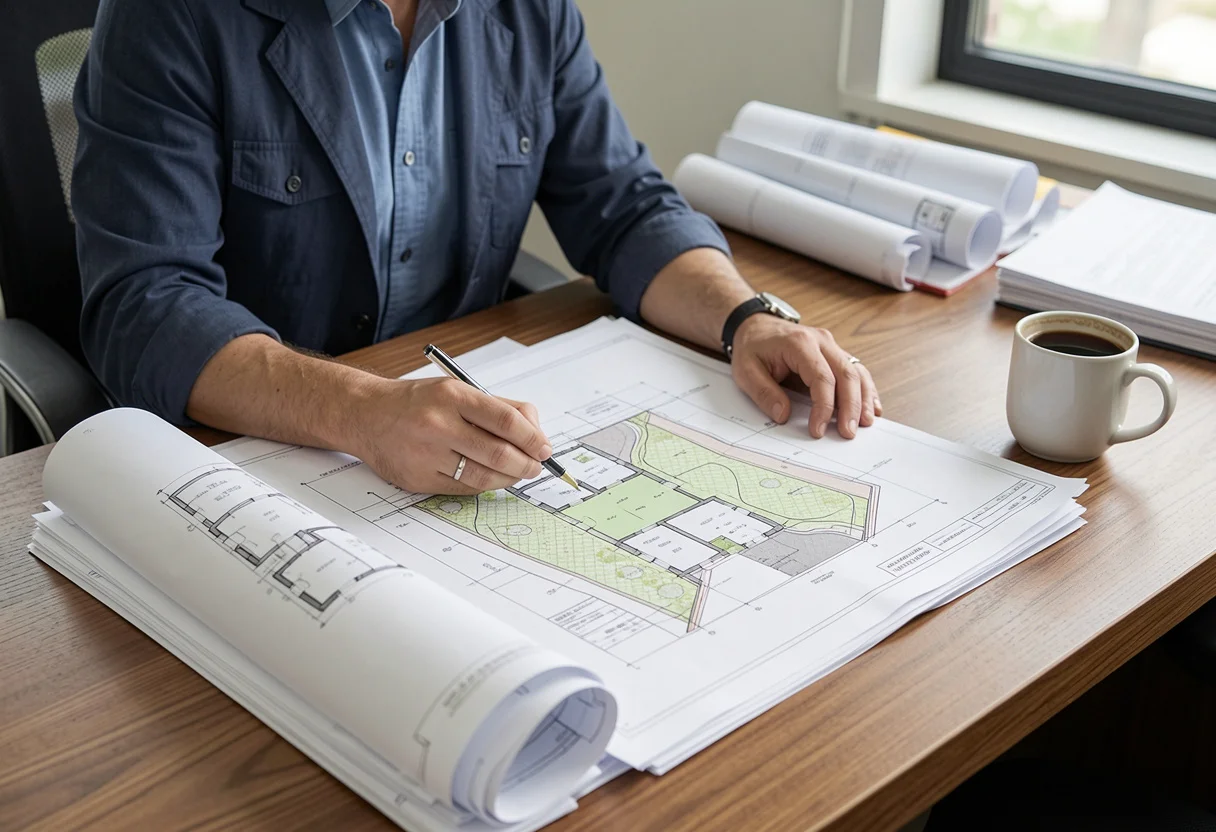
If you've ever applied for a residential building permit, you probably know the process isn't always straightforward. Many homeowners start with a clear vision—maybe a new pool, a home addition, or a detached garage—only to discover that local building departments need far more than a simple sketch of the project.
One document that often determines whether a permit application moves smoothly through review or gets sent back for revisions is the site plan.
At Site Plans FL, we've seen permit applications delayed for reasons that could have been avoided with an accurate site plan. In many cases, homeowners assume their project will fit comfortably on the property, only to learn that setback requirements, lot coverage limits, or easements create unexpected challenges.
That's why professionally prepared Florida permit site plans play such an important role in the approval process. They help building officials understand exactly what is being proposed and verify that the project complies with local regulations before construction begins.
Site Plans Do More Than Show Property Lines
Many people think a site plan is simply a map of their lot. While it does show property boundaries, it also tells a much larger story about how a project fits within the property.
For example, imagine a homeowner in Florida wants to build a 500-square-foot room addition behind their house. The addition may look perfectly reasonable on paper, but local reviewers need to know much more before issuing a permit.
They need to confirm:
- How close the addition will be to neighboring properties
- Whether utility easements will be affected
- If drainage patterns could change
- Whether the project exceeds allowable lot coverage
- How the new structure relates to existing improvements
A properly prepared site plan provides all of this information in a format reviewers can quickly evaluate.
Why Calculating Lot Coverage Matters
One issue that frequently surprises homeowners is calculating lot coverage.
A customer might call believing they have plenty of space for a detached garage, outdoor kitchen, or covered patio. However, after reviewing the property, it sometimes becomes clear that existing structures already occupy a large percentage of the lot.
Local jurisdictions establish lot coverage limits to prevent overcrowding and manage stormwater runoff. If a proposed project pushes the property beyond the maximum allowed percentage, the permit application may be denied or require redesign.
We've seen situations where homeowners invested significant time planning a project before discovering they had exceeded lot coverage restrictions by only a few percentage points. Identifying those limitations early can save both time and money.
How Permit Drawing Services Help Avoid Delays
Building departments review hundreds of permit applications every month. When drawings are incomplete, inconsistent, or missing important information, reviewers typically request corrections.
Unfortunately, even small mistakes can slow a project down.
Some common issues include:
- Missing setback dimensions
- Incorrect property measurements
- Structures drawn in the wrong location
- Unidentified easements
- Inaccurate lot coverage calculations
Professional permit drawing services help eliminate these problems before the application reaches the review desk.
Instead of guessing at requirements, homeowners receive permit-ready drawings that clearly communicate the details reviewers need. This often leads to fewer comments, fewer revisions, and a smoother approval process overall.
Site Plans Help Projects Move Forward with Confidence
Whether you're planning a home addition, swimming pool, new residence, or accessory structure, a detailed site plan serves as the foundation of the permitting process.
More importantly, it helps uncover potential issues before they become expensive problems. Identifying setback conflicts, zoning restrictions, or lot coverage concerns early allows homeowners to make informed decisions and avoid unnecessary delays.
A well-prepared site plan isn't just paperwork—it's one of the most valuable tools for securing residential building permits efficiently and keeping construction projects on track.