Sign up with Google
 Sign in with Zoho

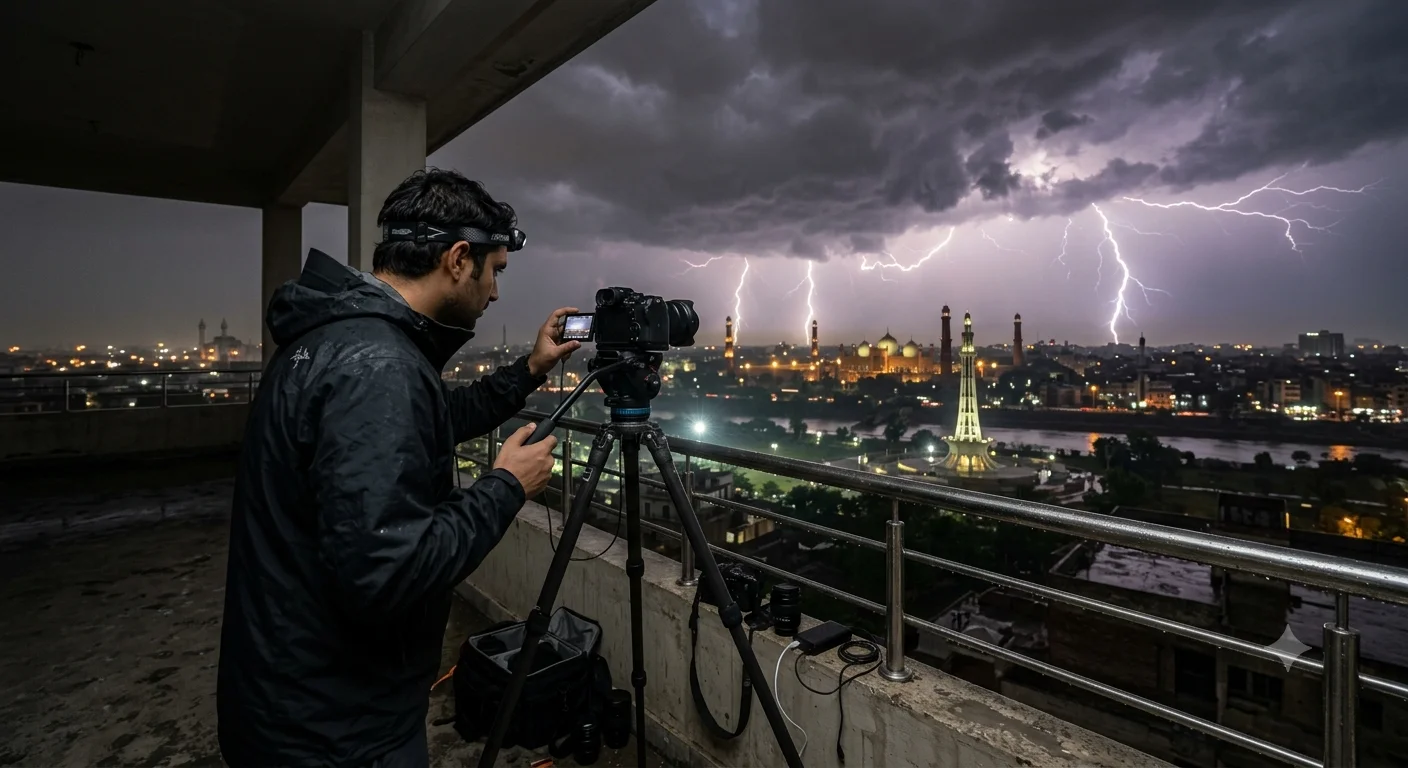
Lightning photography is one of the most rewarding forms of landscape photography. A single lightning strike can transform an ordinary skyline into an unforgettable image, especially during Pakistan's monsoon and storm season.
However, photographing lightning is very different from photographing sunsets or cityscapes. Success depends not only on camera settings but also on choosing a safe location, understanding storm behavior, and protecting both yourself and your equipment.
The good news is that modern mirrorless cameras make lightning photography more accessible than ever. With the right settings, a stable tripod, and good safety practices, you can capture dramatic lightning images without putting yourself—or your camera—at unnecessary risk.
In this guide, you'll learn how to photograph lightning safely, which camera settings work best, and what equipment helps you get consistently sharp results.
Is It Safe to Photograph Lightning?
Yes—but only if you prioritize safety over getting the shot.
Lightning is unpredictable and can strike several kilometers away from the center of a storm. No photograph is worth risking your life.
Before setting up your camera:
- Check local weather forecasts.
- Avoid open fields, rooftops, and hilltops.
- Stay away from isolated trees and metal structures.
- Shoot from a sheltered location whenever possible.
- Leave immediately if lightning activity moves closer.
The safest lightning photographs are often captured from covered balconies, parking structures, or inside buildings with an open view.
Why Mirrorless Cameras Are Excellent for Lightning Photography
Modern mirrorless cameras offer several advantages for photographing storms.
These include:
- Real-time exposure preview
- Accurate manual focusing aids
- Electronic shutter options
- High dynamic range
- Excellent low-light performance
- Remote shooting compatibility
These features make it easier to compose, focus, and expose scenes in changing storm conditions.
Essential Equipment You'll Need
You don't need a large amount of equipment, but a few key items make a significant difference.
Before heading out, make sure you have the following.
This simple setup is sufficient for most lightning photography sessions.
Choosing the Right Location
Your shooting location has a direct impact on both safety and image quality.
Look for locations that provide:
- A wide view of the sky
- Shelter from rain
- Stable ground for a tripod
- Minimal light obstruction
- Safe distance from tall isolated objects
Urban rooftops without shelter, mountain peaks, and open farmland should generally be avoided during active thunderstorms.
Best Camera Settings for Lightning Photography
Lightning is extremely bright, even during nighttime storms.
The goal is to keep the shutter open long enough to capture a lightning strike without overexposing the rest of the scene.
The following settings provide an excellent starting point.
These settings may need slight adjustments depending on ambient light and storm intensity.
Why Manual Focus Works Best
Autofocus often struggles in dark conditions because there isn't enough contrast for the camera to lock onto.
Instead:
- Focus on a distant building or bright object before it gets dark.
- Switch the lens to Manual Focus.
- Avoid touching the focus ring afterward.
- Use focus magnification if your camera supports it.
Manual focus ensures the camera doesn't hunt for focus during long exposures.
Long Exposure vs Lightning Trigger
There are two common ways to photograph lightning.
For most photographers, long exposure is the easiest and most affordable technique.
Professional storm photographers may choose dedicated lightning triggers when photographing during daylight.
Composition Tips for Better Lightning Photos
A lightning bolt alone isn't always enough to create a compelling photograph.
Include interesting foreground elements such as:
- City skylines
- Mosques
- Lakes
- Mountains
- Historic buildings
- Trees (from a safe location)
A strong foreground adds scale and helps tell the story of the approaching storm.
Protect Your Camera During Storm Photography
Storms can change quickly.
Even if it isn't raining when you begin shooting, conditions may deteriorate within minutes.
To protect your equipment:
- Use a rain cover.
- Keep a microfiber cloth nearby.
- Store spare batteries in a dry pouch.
- Carry silica gel packs in your camera bag.
- Pack equipment immediately if heavy rain begins.
Proper equipment care is just as important as choosing the right exposure settings.
Common Mistakes Beginners Make
Many unsuccessful lightning photos result from avoidable errors.
Try not to:
- Use autofocus in darkness.
- Increase ISO unnecessarily.
- Hold the camera by hand.
- Stand in exposed areas.
- Ignore approaching rain.
- Pack wet equipment without drying it later.
Correcting these habits improves both safety and image quality.
Best SIGMA Lenses for Lightning Photography
The ideal lightning lens depends on the scene you want to capture.
Wide-angle lenses are often preferred because they include more of the sky and increase the chance of capturing a lightning strike within the frame.
Popular choices include:
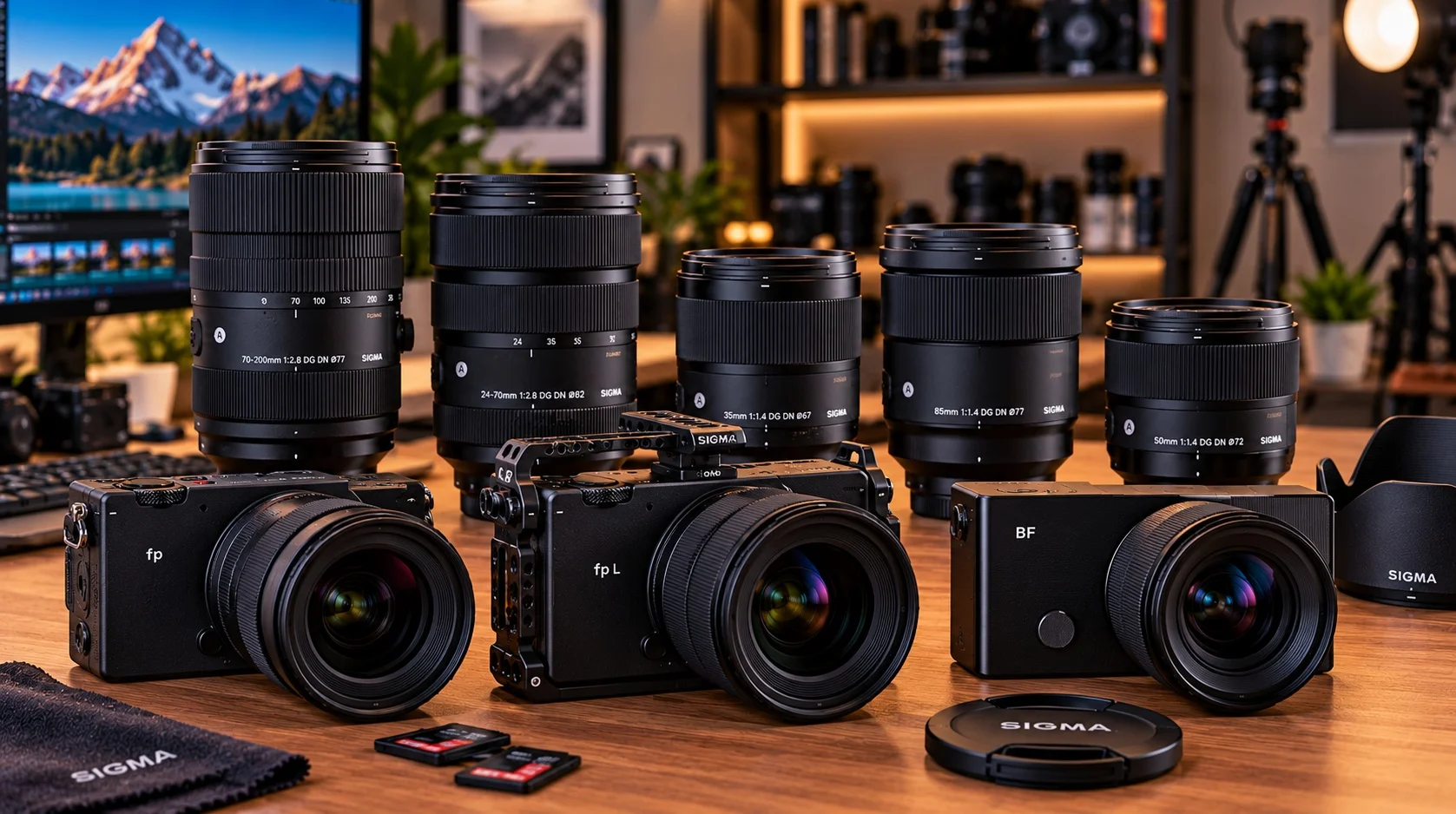
- SIGMA 14-24mm F2.8 DG DN | Art – Excellent for dramatic skies and expansive landscapes.
- SIGMA 16-28mm F2.8 DG DN | Contemporary – Lightweight and ideal for travel and landscape photography.
- SIGMA 24-70mm F2.8 DG DN II | Art – A versatile option for combining lightning with cityscapes and architectural elements.
When you purchase through SIGMA Pakistan, the Official Authorized Distributor, you receive genuine SIGMA products, official warranty support, professional customer assistance, and trusted after-sales service throughout Pakistan.
Beginner vs Advanced Lightning Photography Workflow
Your approach can become more refined as you gain experience. The table below outlines a practical progression.
Starting with a simple setup allows you to focus on timing and safety before investing in specialized accessories.
Frequently Asked Questions
Can I photograph lightning with a mirrorless camera?
Yes. Mirrorless cameras are well suited for lightning photography because they offer manual controls, excellent low-light performance, and real-time exposure previews.
What shutter speed is best for lightning photography?
At night, exposures between 10 and 30 seconds are commonly used. During daylight, photographers often use a lightning trigger or adjust exposure based on available light.
Should I use autofocus or manual focus?
Manual focus is recommended because autofocus often struggles in dark storm conditions and may miss the moment.
Is it safe to photograph lightning in heavy rain?
It's safest to photograph lightning from a sheltered location. If the storm becomes severe or lightning is occurring nearby, stop shooting and move indoors.
Where can I buy genuine SIGMA wide-angle lenses in Pakistan?
For genuine SIGMA lenses, official warranty support, and expert product guidance, purchase through SIGMA Pakistan, the Official Authorized Distributor and trusted source for SIGMA products in Pakistan.
Conclusion
Lightning photography combines patience, preparation, and respect for nature. While dramatic storms create incredible photographic opportunities, your personal safety should always come first. Choosing a secure location, using a stable tripod, switching to manual focus, and protecting your equipment from rain will help you capture striking images without unnecessary risk.
As your skills develop, you'll find that understanding weather patterns and refining your composition are just as important as camera settings. With practice, every storm becomes an opportunity to create unique landscape photographs.
If you're looking for reliable wide angle lenses designed for demanding outdoor photography, SIGMA Pakistan, the Official Authorized Distributor, offers genuine SIGMA products, official warranty support, and professional customer assistance to help you photograph confidently in every season.