Sign up with Google
 Sign in with Zoho

Learn how Chinese injection molding works, its advantages, material selection, quality standards, and how to choose a reliable manufacturing partner for precision plastic parts.
What Is Chinese Injection Molding?
China has become one of the world's leading manufacturing hubs for plastic injection molding, supplying components for industries ranging from automotive and medical devices to consumer electronics and industrial equipment.
However, Chinese injection molding doesn't describe a single manufacturing standard. Suppliers vary widely in engineering capability, tooling quality, inspection methods, and production capacity. Some specialize in prototype tooling with short lead times, while others build production molds capable of running hundreds of thousands—or even millions—of molding cycles.
For buyers, understanding these differences is often more important than comparing prices. A well-designed mold can reduce production costs for years, while a poorly designed one may require frequent maintenance, create unstable dimensions, or generate unnecessary scrap.
Why Many Companies Source Injection Molding from China
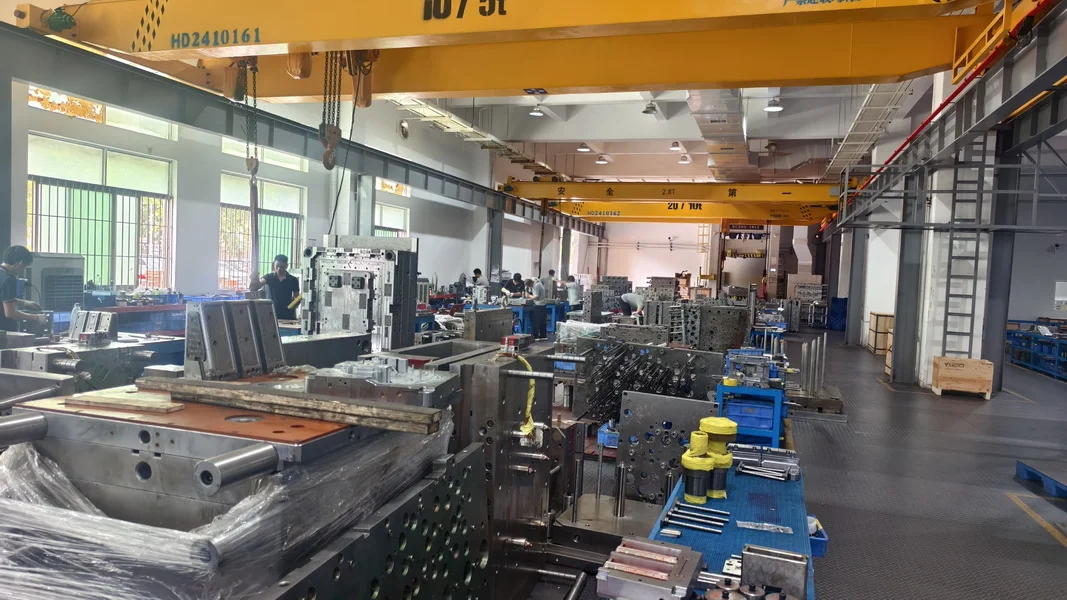
Manufacturers worldwide continue to source molds and molded parts from China because the country offers a combination of technical capability, competitive pricing, and mature supply chains.
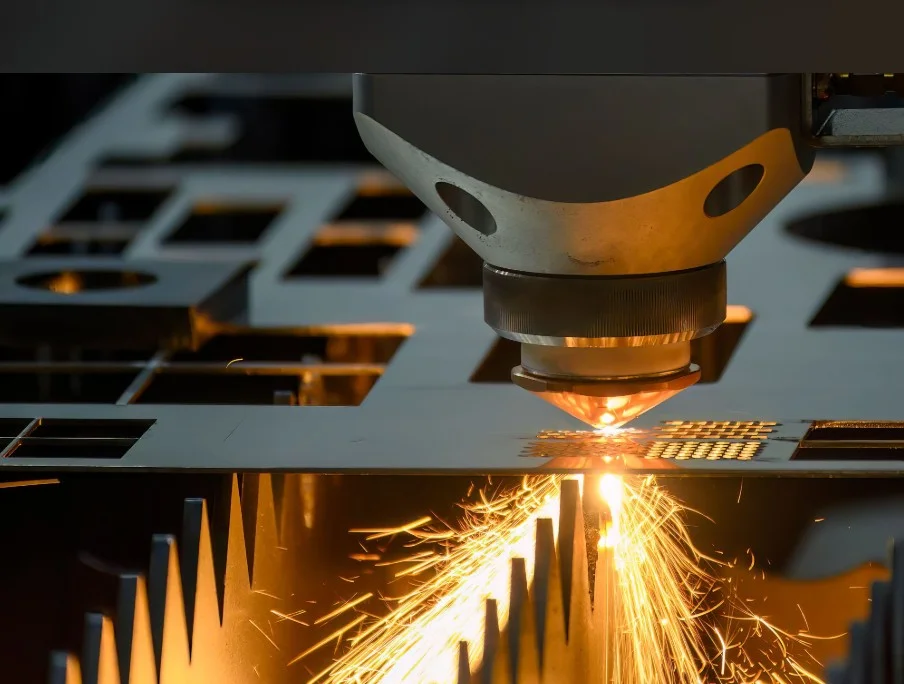
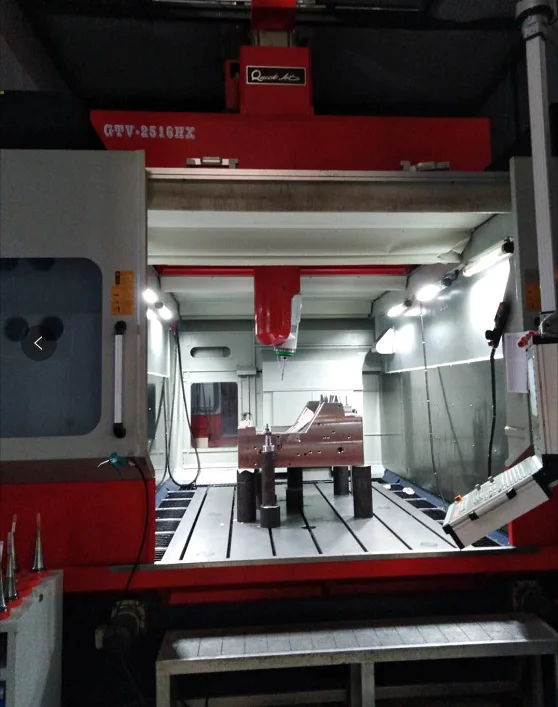
Today's leading mold manufacturers commonly use:
- Five-axis CNC machining
- High-speed EDM
- Wire cutting
- Moldflow simulation
- Coordinate Measuring Machine (CMM) inspection
- Automated injection molding cells
These technologies allow many Chinese manufacturers to produce molds with excellent dimensional accuracy while remaining cost-competitive for medium- and high-volume production.
For companies developing new products, China also offers the advantage of integrating mold manufacturing, injection molding, machining, surface finishing, and assembly under one supplier, reducing project management complexity.
Understanding the Injection Molding Process
Although every project is unique, most injection molding programs follow a similar workflow.
Typical Manufacturing Process
- Product design review
- Design for Manufacturability (DFM)
- Mold design
- Tool steel machining
- Mold assembly
- Trial molding (T0/T1)
- Dimensional inspection
- Mold optimization
- Mass production
The most successful projects usually begin with a detailed DFM review. Identifying potential molding issues before cutting steel is considerably less expensive than modifying a hardened mold after sampling.
Material Selection Matters More Than Many Buyers Expect
Choosing the right resin influences far more than the mechanical performance of the finished part. It also affects mold design, processing parameters, tooling life, cycle time, and production cost.
Engineers typically evaluate several factors before selecting a material:
- Required mechanical strength
- Operating temperature
- Chemical resistance
- Dimensional stability
- Electrical properties
- Surface appearance
- Regulatory requirements
- Annual production volume
For example, glass-filled nylon provides excellent stiffness but increases mold wear because of its abrasive fibers. Polycarbonate requires careful drying before molding to prevent silver streaks and reduced impact strength. Polypropylene offers excellent chemical resistance and lower material costs, making it popular for automotive and consumer products.
Selecting the correct material early in development helps reduce tooling changes and improves long-term production stability.
Common Applications Across Industries
Injection molding supports a wide range of industries, each with different engineering and quality requirements.
Automotive
Automotive manufacturers commonly use injection molding for sensor housings, air-conditioning components, lighting assemblies, cable clips, and structural brackets. These parts often require engineering plastics capable of withstanding heat, vibration, and exposure to automotive fluids.
Medical Devices
Medical components demand strict dimensional consistency, material traceability, and validated production processes. Many projects require compliance with ISO 13485 and customer-specific validation protocols.
Consumer Electronics
Electronic products frequently require thin-wall housings with excellent cosmetic finishes. Tight dimensional control is essential for proper assembly and appearance.
Industrial Equipment
Industrial applications often include gears, valves, pump components, electrical connectors, and precision mechanical parts that operate continuously under demanding conditions.
Robotics and Automation
As robotics continues to expand, lightweight plastic components are increasingly replacing metal parts in actuator housings, cable management systems, sensor brackets, and structural assemblies.
How to Evaluate a Chinese Injection Molding Supplier
Selecting the right supplier involves much more than comparing quotations.
Experienced sourcing teams generally evaluate four key areas before placing an order.
Engineering Capability
A capable supplier should provide:
- DFM reports
- Moldflow analysis (when appropriate)
- Mold design review
- Material recommendations
- Technical feedback before tooling begins
Early engineering involvement often eliminates manufacturing problems before they become expensive.
Manufacturing Equipment
High-quality molds depend on precision machining.
Ask potential suppliers about their:
- CNC machining centers
- EDM equipment
- Wire-cut machines
- CMM inspection systems
- Injection molding machines
- Automation capability
Modern equipment alone does not guarantee quality, but it significantly improves process consistency.
Quality Management
International certifications provide additional confidence that standardized quality procedures are in place.
Common certifications include:
- ISO 9001
- ISO 13485
- IATF 16949
- ISO 14001
Requesting inspection reports, process capability studies, and sample measurement reports can provide a clearer picture of a supplier's actual manufacturing performance.
Communication and Project Management
Successful tooling projects depend on timely communication.
A reliable supplier should provide:
- Clear project schedules
- Regular production updates
- Inspection reports
- Trial sample feedback
- Engineering support during modifications
Consistent communication often shortens development time and reduces misunderstandings.
Best Practices for Successful Injection Molding Projects
Many tooling problems originate during product design rather than production.
Companies can reduce development risks by following several proven practices.
- Involve the mold manufacturer early in product development.
- Complete a DFM review before finalizing the design.
- Optimize wall thickness to improve material flow.
- Avoid unnecessary undercuts where possible.
- Define dimensional tolerances before tooling begins.
- Confirm cosmetic requirements early.
- Validate materials before mass production.
- Monitor critical molding parameters using Statistical Process Control (SPC).
Once production begins, maintaining stable processing conditions—including melt temperature, mold temperature, injection pressure, and cooling time—is essential for achieving consistent quality over long production runs.
Why Engineering Support Makes the Difference
While tooling cost is important, engineering support often determines the long-term success of a project.
Experienced mold manufacturers can identify potential issues such as:
- Sink marks
- Weld lines
- Warpage
- Air traps
- Uneven cooling
- Difficult ejection
- Excessive cycle times
Addressing these challenges during the design phase usually costs far less than modifying completed tooling later.
For complex products, collaborative engineering between the customer and the mold manufacturer frequently delivers better results than treating mold construction as a simple purchasing transaction.
Conclusion
Chinese injection molding continues to be one of the most efficient manufacturing solutions for producing precision plastic components at scale. Advances in machining technology, mold design software, automation, and quality management have enabled many Chinese manufacturers to compete successfully in demanding industries such as automotive, medical devices, industrial equipment, and consumer electronics.
Choosing the right supplier involves evaluating engineering capability, quality systems, manufacturing equipment, communication, and long-term technical support—not simply comparing prices. An experienced manufacturing partner can help optimize part design, improve tooling performance, reduce production risk, and shorten time to market.
For companies developing new plastic components, early collaboration with an experienced mold manufacturer is often the most effective way to achieve stable production and lower total project costs.
About SHINY Mold & Manufacturing
Founded in 2003 in Dongguan, China, SHINY Mold & Manufacturing specializes in precision injection molds, die-casting molds, plastic injection molding, and integrated manufacturing services for customers worldwide.
From design review and DFM analysis to mold fabrication, sampling, mass production, machining, and final inspection, SHINY provides complete manufacturing support under one roof. The company has delivered more than 5,000 mold projects for customers across Europe, North America, and Asia, serving industries including automotive, medical devices, robotics, industrial equipment, and consumer electronics.
With certified quality management systems including ISO 9001, ISO 13485, IATF 16949, and ISO 14001, SHINY combines precision machining, automated production, and experienced engineering teams to help customers launch reliable products with confidence.
Learn more about SHINY Mold & Manufacturing: https://www.shiny-mold.com