Sign up with Google
 Sign in with Zoho

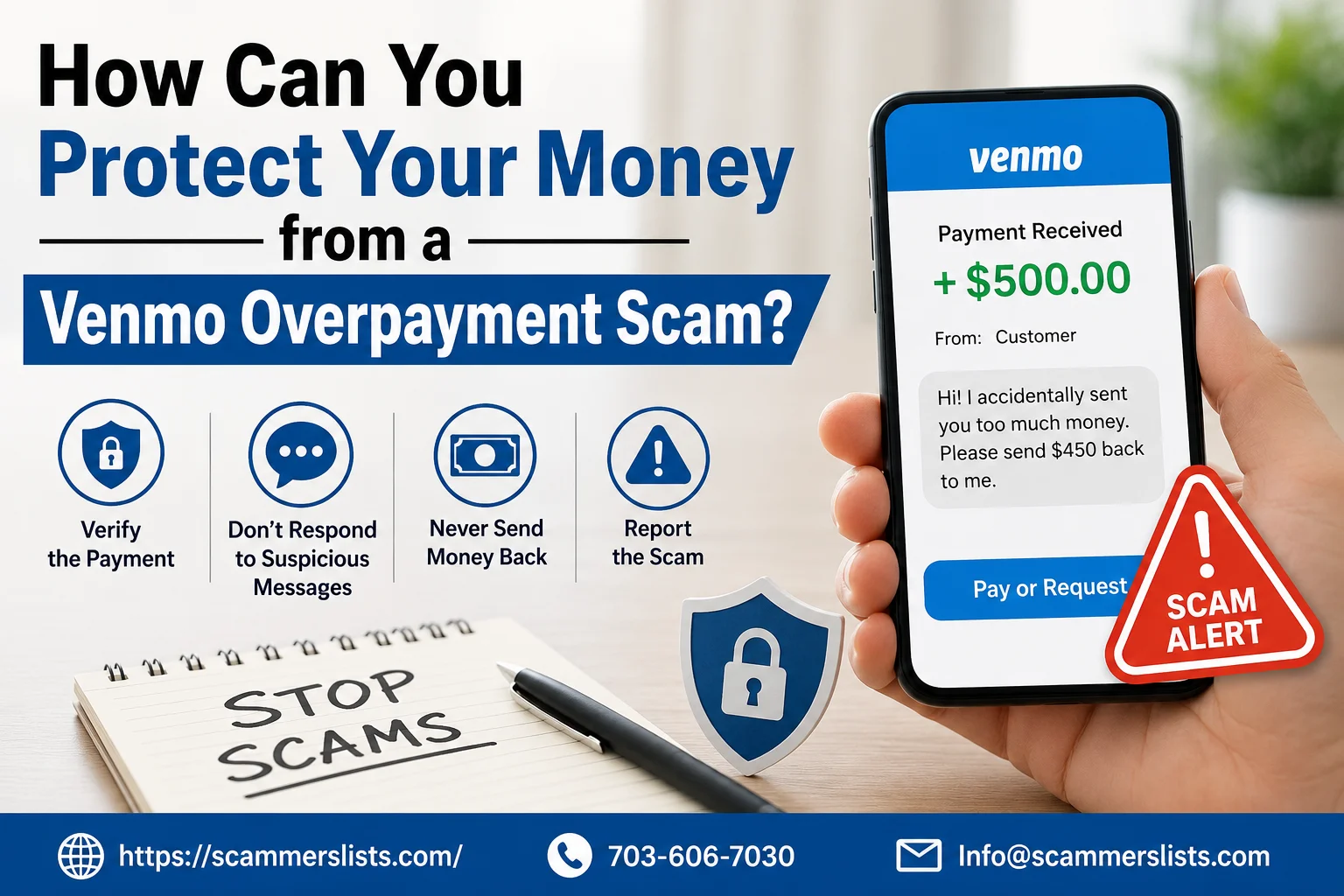
Digital payment apps have made sending and receiving money faster than ever, but that convenience has also opened the door to a growing number of scams. One of the most common is the Venmo overpayment scam, a trick where a scammer sends you more money than agreed and asks for the difference back — only for the original payment to bounce or reverse later, leaving you out of pocket. Understanding how this scam works, along with related schemes like the check overpayment scam and the social security overpayment scam, can help you avoid losing your hard-earned money.
What Is a Venmo Overpayment Scam?
A Venmo overpayment scam happens when someone pays you more than the price you agreed on for an item, service, or rental deposit, then asks you to refund the extra amount. The payment often looks legitimate at first, encouraging you to send the "extra" money back quickly. Days later, Venmo may reverse the original transaction because it was funded through a stolen bank account or a fraudulent source — leaving you responsible for the loss while the scammer walks away with real money you sent them.
This scam typically targets people selling items online, freelancers, landlords listing rentals, and even gig workers who accept mobile payments from strangers.
How Does the Venmo Overpayment Scam Actually Work?
The scam generally follows a predictable pattern:
- A buyer or "employer" contacts you about a purchase, job, or rental deal.
- They send a payment through Venmo that is noticeably higher than what you agreed on.
- They apologize for the "mistake" and ask you to send back the difference immediately.
- You transfer the excess amount, often before the original payment fully clears.
- Days later, the original payment is reversed as fraudulent, and you lose both the item (if shipped) and the refunded money.
Because Venmo transfers can feel instant, many victims don't realize the original payment was fake until it's too late.
Why Do Scammers Prefer Venmo for Overpayment Scams?
Scammers gravitate toward Venmo and similar peer-to-peer apps because transactions feel fast, casual, and hard to reverse once sent by the victim. Unlike traditional bank transfers, Venmo payments between individuals are treated more like cash — offering limited buyer or seller protection. This makes it easier for fraudsters to exploit the platform's speed and informality, especially with people unfamiliar with how quickly a "reversed" payment can wipe out their balance.
How Is the Venmo Overpayment Scam Similar to a Check Overpayment Scam?
The logic behind a check overpayment scam mirrors the Venmo version closely. In that scheme, a scammer sends a fake or stolen check for more than the agreed amount and asks the victim to deposit it, then wire back the difference. Banks may make funds temporarily available before discovering the check is fraudulent, leading the victim to lose the money they "refunded." Whether it's a check or a Venmo payment, the core trick is the same: convince the victim to return money before the original transaction is confirmed as legitimate.
What Is the Social Security Overpayment Scam and How Is It Related?
While it doesn't involve Venmo directly, the social security overpayment scam follows a similar psychological playbook. Scammers impersonate the Social Security Administration, claiming the victim was mistakenly overpaid benefits and must repay the amount immediately — often through gift cards, wire transfers, or even Venmo. These calls or emails create urgency and fear, pressuring victims to act before verifying the claim. Recognizing this pattern helps you spot overpayment scams across different platforms, not just Venmo.
How Can You Spot the Warning Signs of an Overpayment Scam?
Watch for these red flags:
- A buyer or contact sends more money than agreed and asks for a refund of the difference
- Pressure to act quickly, often citing an "emergency" or "mistake"
- Requests to send the refund via a different method than the original payment
- Unfamiliar or newly created accounts contacting you out of the blue
- Poor grammar, generic greetings, or inconsistent details in messages
How Can You Protect Your Money from a Venmo Overpayment Scam?
To keep yourself safe:
- Never refund the difference if someone overpays you — instead, ask them to cancel and resend the correct amount
- Wait several days to confirm a Venmo payment has fully cleared before spending or refunding any of it
- Avoid sharing personal or banking details with unknown buyers
- Report suspicious accounts directly to Venmo support
- Treat any "urgent" refund request, whether related to a purchase, a check overpayment scam, or a social security overpayment scam, as a major warning sign
- When in doubt, verify the buyer's identity or the organization's legitimacy through official channels before sending any money back
Staying cautious, slowing down, and verifying payments before acting are the most effective ways to avoid becoming a victim.
📢 Share Your Story
Have you experienced a Venmo overpayment scam or a similar fraud attempt? Help others stay protected by sharing your experience.
📞 703-606-7030 📧 [email protected] 🌐 https://scammerslists.com/share-story
Frequently Asked Questions
1. What is a Venmo overpayment scam?
A Venmo overpayment scam occurs when someone sends you more money than agreed and asks for a refund of the extra amount, only for the original payment to later be reversed as fraudulent.
2. Can you get your money back after a Venmo scam?
It's often difficult. Venmo transactions between individuals are treated like cash and typically aren't covered by buyer or seller protection, making recovery unlikely once funds are sent.
3. How do I know if a Venmo payment is fake?
Wait a few days to confirm the payment has fully cleared and isn't reversed. Be suspicious of any overpayment followed by an urgent refund request.
4. Is the check overpayment scam the same as the Venmo scam?
They work the same way. Both involve receiving a fraudulent overpayment and being asked to send back the difference before the original payment is confirmed as fake.
5. Does Social Security really contact people about overpayments?
The SSA may send official letters about overpayments, but it does not demand immediate payment through gift cards, wire transfers, or apps like Venmo. Such requests indicate a scam.
6. What should I do if I fall victim to an overpayment scam?
Report the incident to Venmo support, your bank, and the FTC at ReportFraud.ftc.gov. Save all messages and transaction details as evidence.