Sign up with Google
 Sign in with Zoho

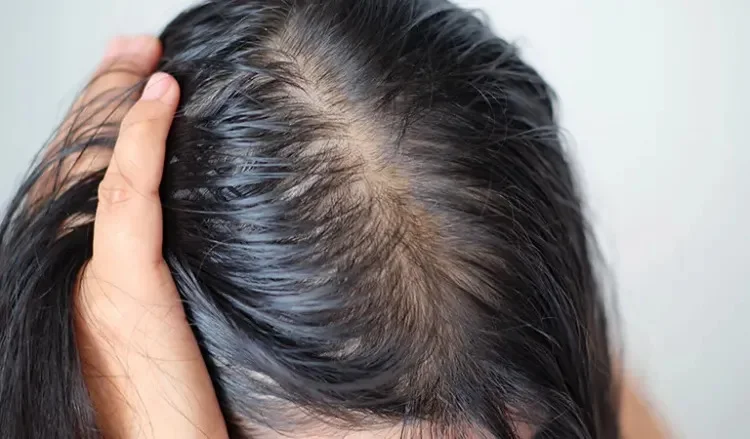
Thinning hair can be worrying, especially when it happens gradually and you are not sure why. For many women, this is one of the first signs of Female Pattern Hair Loss in Gurgaon, a condition that affects the density of hair rather than causing complete bald patches like it does in men. Instead of a receding hairline, women usually notice their scalp becoming more visible, especially near the parting line, and hair feeling thinner overall. The good news is that with the right approach, thinning hair can often be managed and even reversed to a good extent.
Why does hair thinning happen?
Hair thinning in women can happen for many reasons. Hormonal changes, especially around menopause or after pregnancy, are a common cause. Genetics also play a big role, if your mother or grandmother had thinning hair, there is a higher chance you might experience it too. Other reasons include stress, poor nutrition, thyroid issues, and iron deficiency. Sometimes it is a mix of two or three of these factors together, which is why a proper diagnosis matters before starting any treatment.
Getting the right diagnosis first
Before jumping to any treatment, it is important to understand what is actually causing the thinning. A trichologist usually looks at your scalp under magnification, checks hair density, and may ask for blood tests to rule out thyroid or vitamin deficiencies. This step is often skipped by patients who want quick fixes, but without it, treatments may not work as expected. Dr. Shilpi Bhadani at SB Trichology Clinic follows this diagnostic-first approach, so that the treatment plan matches the actual cause of hair thinning rather than guessing.
Non-surgical ways to regrow thinning hair
For many women, hair thinning can be managed without surgery, especially when caught early. Some common options include:
- Topical treatments that help slow down hair thinning and support regrowth
- Oral medications prescribed after checking hormone and vitamin levels
- PRP (Platelet Rich Plasma) therapy, which uses your own blood components to stimulate hair follicles
- Diet and lifestyle changes, including iron and protein intake
These options work best when started early, before the hair follicles become too weak to respond. This is why noticing thinning hair early and getting it checked makes a real difference in the results.
When will a hair transplant become the right option?
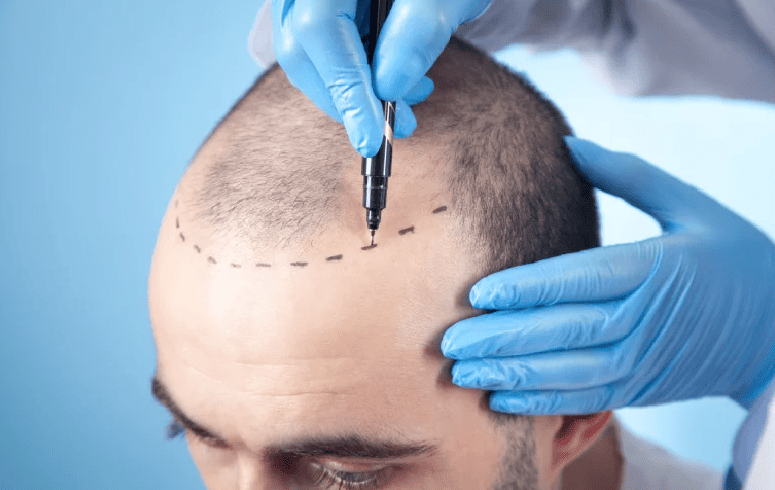
For some women, especially those with more advanced thinning or a stable donor area, a Hair Transplant Technique in Gurgaon may be recommended. Unlike male pattern baldness, female pattern hair loss is diffused, meaning the thinning is spread more evenly rather than in one clear bald spot. This makes transplant planning slightly different, since the surgeon has to work carefully around finer, more delicate hair patterns while keeping the donor area healthy.
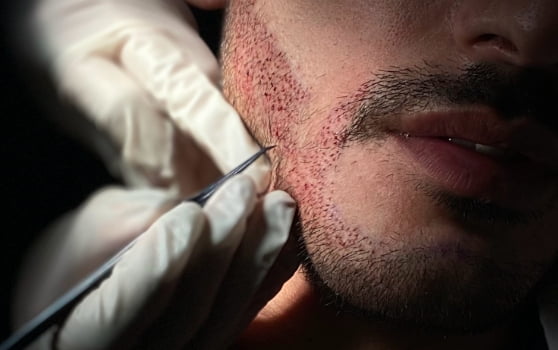
Techniques like FUE (Follicular Unit Extraction) are commonly used because they leave minimal scarring and work well with the natural hair growth pattern in women. The surgeon studies hair density across the scalp, decides how many grafts can be safely used, and plans the placement to blend naturally with existing hair. This is different from filling a bald patch, the goal here is to add volume and coverage rather than create a completely new hairline.
What to expect from treatment?
Hair regrowth, whether through medication, PRP, or transplant, takes time. It is rarely an overnight process. Non-surgical treatments usually show visible results after three to six months of consistent use. Transplanted hair takes even longer, often eight to twelve months to show full results, since the new hair needs time to settle and grow in its new location. Patience and following the treatment plan properly matter just as much as the treatment itself.
Choosing the right clinic for female hair loss
Not every hair clinic understands the difference between how hair loss shows up in women compared to men. When looking for help, it is worth asking whether the clinic has specific experience treating women, since the diagnostic approach and treatment plan need to be different. A clinic that takes time to understand your hormone levels, lifestyle, and hair pattern before suggesting a plan is usually better placed to give lasting results.
SB Trichology Clinic works with patients on both non-surgical and surgical paths, depending on what suits their hair loss pattern and stage. This means patients are not pushed toward a transplant unless it is genuinely needed, and non-surgical options are given a fair chance to work first.
Conclusion
Thinning hair does not have to be something you simply live with. Understanding the real cause behind Female Pattern Hair Loss in Gurgaon is the first step, followed by choosing a treatment path that matches your specific condition, whether that is medication, PRP, or in some cases, a transplant. Regrowing hair takes time and the right guidance, but with proper care and an experienced team, visible improvement is possible for most women dealing with thinning hair.









.webp)