Sign up with Google
 Sign in with Zoho
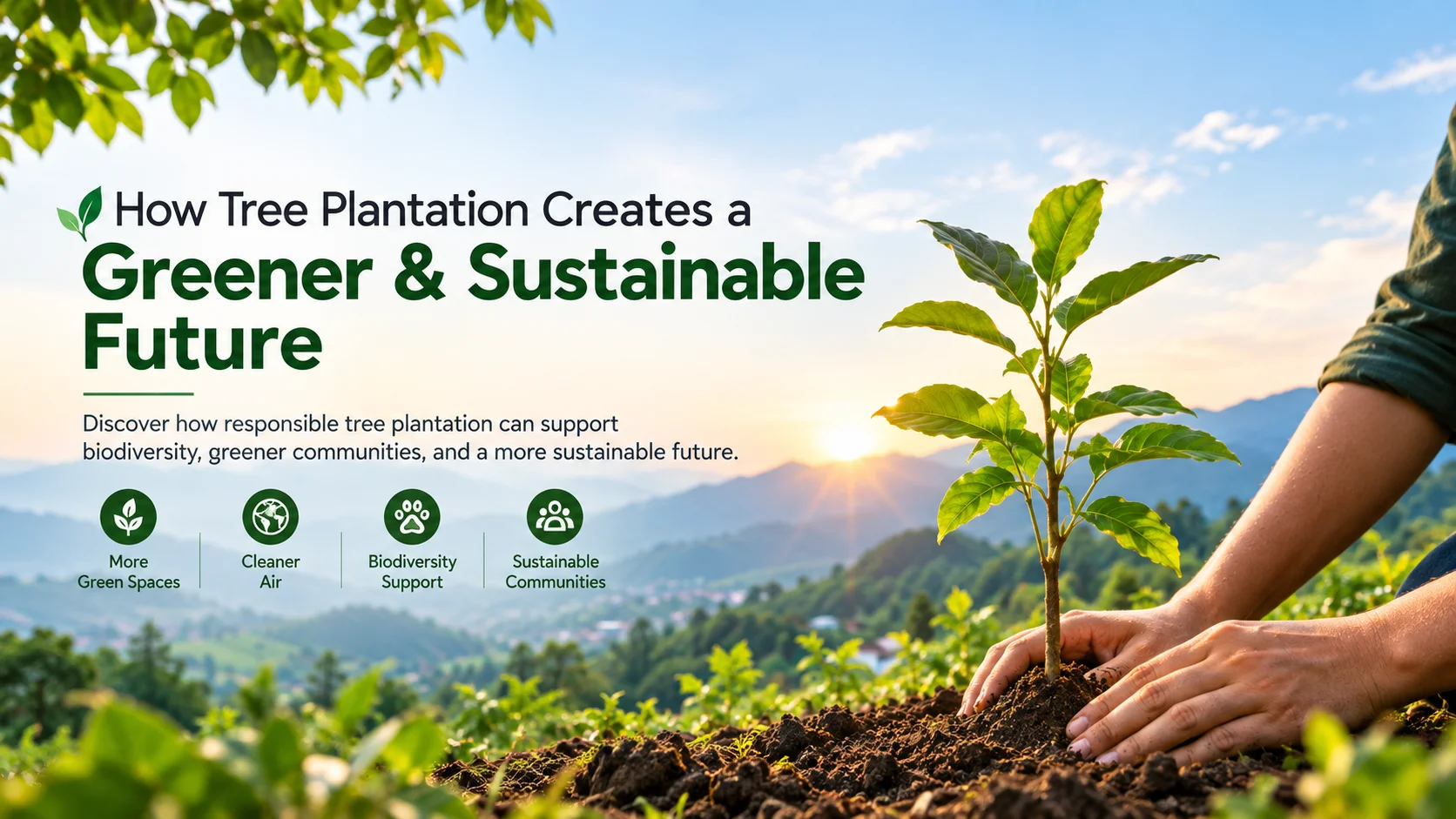
Trees are one of the simplest natural resources that can make a meaningful difference to the environment. They provide shade, support biodiversity, improve green spaces and contribute to healthier ecosystems. However, planting a tree is only the first step. Long-term care and responsible planning are equally important for creating sustainable green spaces.
As cities grow and natural areas face increasing pressure, tree plantation can become a practical way for individuals, communities and organisations to contribute to environmental sustainability.
Why Tree Plantation Matters
Trees perform several important functions in natural ecosystems. They provide habitats for birds, insects and other organisms while also contributing to the overall health of the surrounding environment.
Urban trees can make neighbourhoods greener and more comfortable. Green spaces can provide shade and create places where people can connect with nature. Trees also become part of the landscape for many years, making their benefits extend beyond the person who plants them.
Tree plantation should therefore be viewed as a long-term environmental activity rather than a one-day event.
Trees and Biodiversity
Biodiversity depends on healthy habitats. A diverse landscape can support different species of birds, insects, plants and other organisms.
Planting suitable trees and native vegetation can help improve habitat quality in appropriate locations. However, plantation projects should consider the local ecosystem before selecting species. A tree that grows well in one region may not necessarily be suitable for another.
This is why responsible plantation planning should consider factors such as:
- Local climate
- Soil conditions
- Water availability
- Native or suitable tree species
- Space available for future growth
- Long-term maintenance
Choosing the right location and species can make a plantation project more sustainable.
Tree Plantation in Communities
Community participation can make environmental initiatives more meaningful. Schools, residential communities, offices and local organisations can organise plantation activities while also educating participants about tree care.
A successful community plantation does not end after the saplings are planted. Young trees may require watering, protection and regular monitoring, especially during their early growth period.
Creating a simple maintenance plan can help ensure that planted trees have a better chance of surviving and becoming established.
How Companies Can Support Green Initiatives
Businesses can also contribute to environmental sustainability through tree plantation and other nature-based activities.
Corporate environmental initiatives can include employee plantation drives, community-based environmental programmes and support for organised tree-growing projects. Companies can involve employees in these activities as part of broader sustainability and CSR efforts.
For organisations looking to support structured tree plantation initiatives, SankalpTaru Foundation is one example of an organisation working around tree plantation and environmental initiatives.
The important point is to focus on meaningful environmental action rather than treating plantation only as a one-time promotional activity.
Tree Plantation and Sustainable Development
Sustainable development involves considering environmental, social and economic needs together. Tree plantation can contribute to this approach when projects are planned according to local environmental conditions and supported through long-term care.
For example, a plantation programme can combine environmental education with community participation. Employees or students can learn about biodiversity, responsible resource use and the importance of maintaining green spaces.
Such activities can create awareness while also encouraging people to take practical environmental action.
Planting a Tree Is Only the Beginning
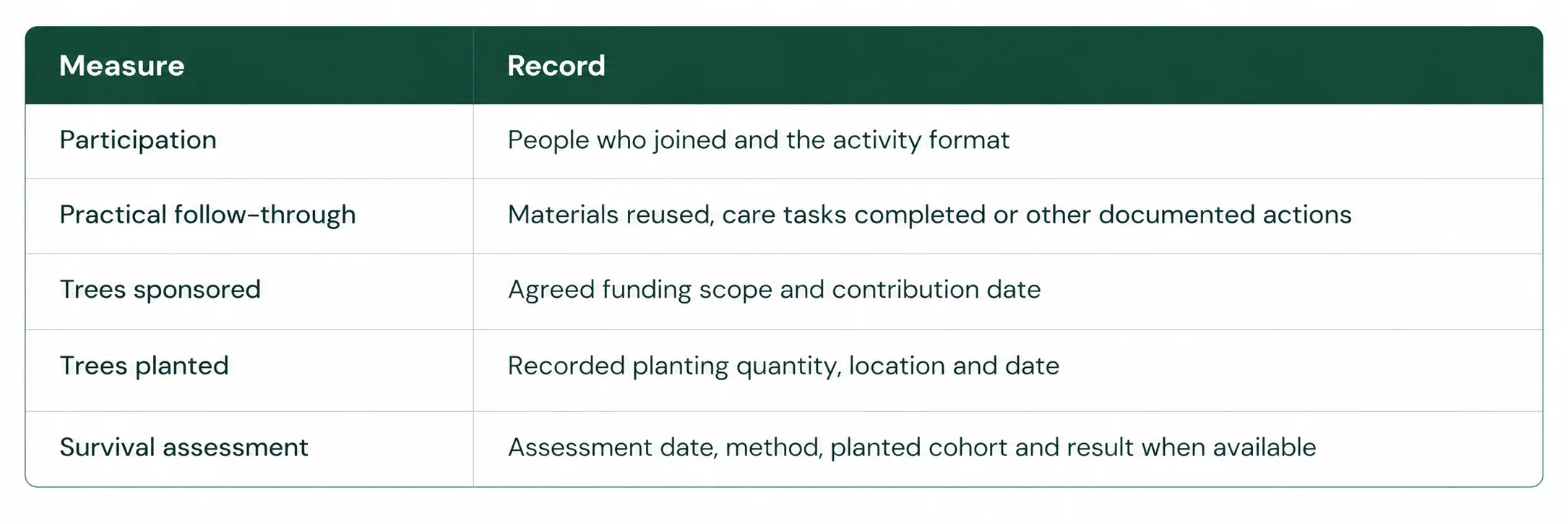
One common mistake in plantation campaigns is focusing only on the number of saplings planted.
The survival and growth of those trees are equally important.
Before starting a plantation activity, organisers should think about:
- Where will the trees be planted?
- Which species are appropriate for the location?
- Who will take care of the trees?
- Is there sufficient access to water?
- How will tree survival be monitored?
- What happens after the plantation event?
Answering these questions can make a plantation programme more responsible and effective.
How Individuals Can Contribute
Environmental action does not always require a large campaign. Individuals can contribute in simple ways.
Someone with suitable land can plant and care for trees. People living in urban areas can participate in local plantation programmes or support credible environmental organisations. Individuals can also encourage friends and family members to understand the importance of protecting green spaces.
Another useful step is learning about the trees and plants native or suitable to the local region. This helps people make better decisions rather than planting a species simply because it is popular.
Creating a Long-Term Green Mindset
Sustainability is not only about completing individual environmental activities. It is also about developing habits that continue over time.
A plantation event can become the starting point for a larger environmental initiative. Schools can create tree-care programmes, companies can develop recurring sustainability activities, and communities can monitor existing green spaces.
When people understand that trees require years of care, plantation becomes more than a campaign. It becomes a long-term commitment to the environment.
Final Thoughts
Tree plantation can play a valuable role in creating greener communities and supporting healthier ecosystems. But its real impact depends on careful species selection, suitable locations, community involvement and long-term maintenance.
Whether the initiative is organised by an individual, school, community or company, the goal should be to create green spaces that can continue providing environmental value for years to come.
Planting a tree may take only a few minutes, but caring for it can create benefits that last for generations.