Sign up with Google
 Sign in with Zoho

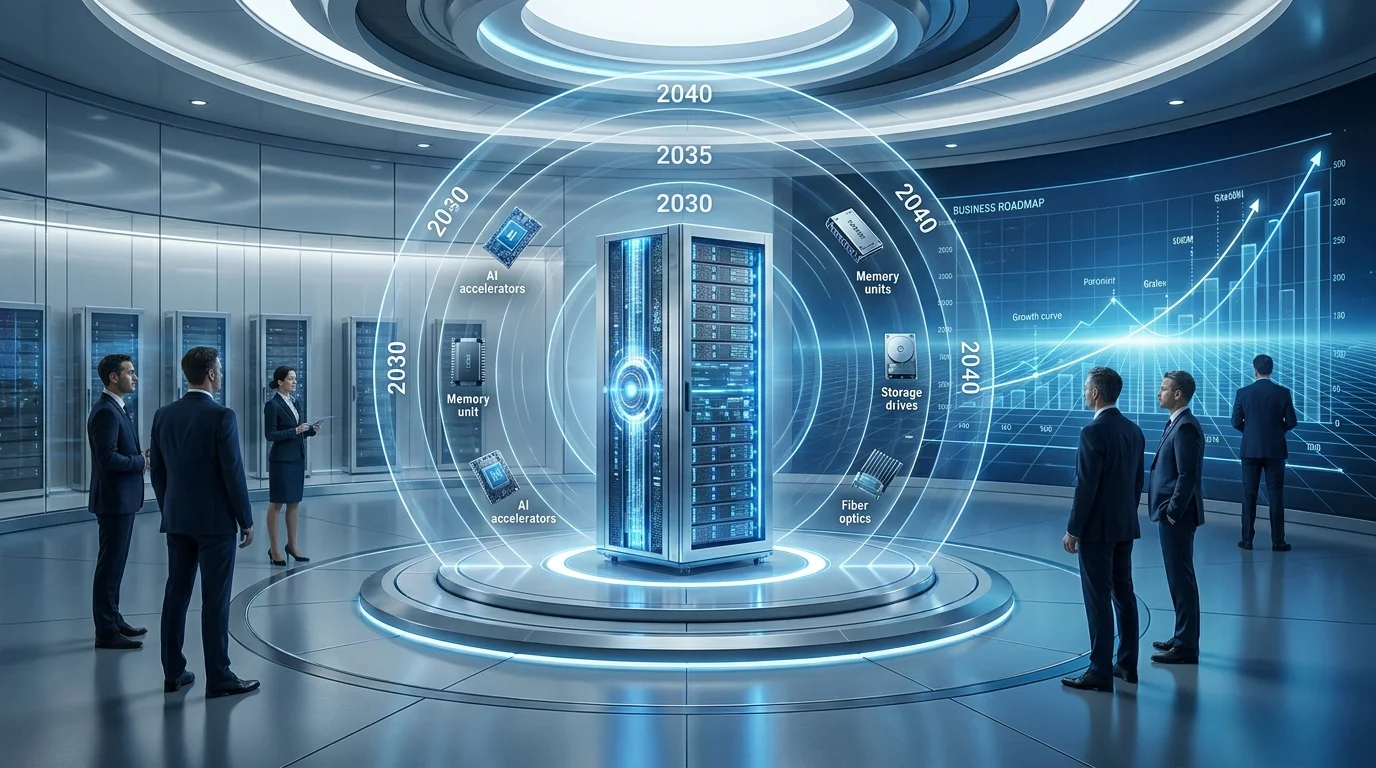
Technology investments have always carried a degree of obsolescence risk. The hardware purchased today will eventually be surpassed by what arrives tomorrow, and the organizations that time their investments well consistently extract more value from their capital than those that either move too early or hold on too long. But in 2026, the pace at which technology is evolving, particularly in computing hardware and AI-related infrastructure, has compressed the timelines that traditionally governed these decisions. Future-proofing technology investments is no longer just about choosing the right specifications. It is about building a procurement strategy, a supplier relationship, and an infrastructure philosophy that allows the organization to adapt continuously rather than scramble to catch up every few years.
What Future-Proofing Actually Means in Practice
The term future-proofing is used loosely in technology marketing, but its practical meaning is specific. A future-proofed technology investment is one that remains useful and capable across a longer-than-average lifecycle, adapts to changing workload requirements without complete replacement, and does not create technical debt that makes the next upgrade cycle more expensive or disruptive than necessary. This definition rules out the common shortcut of simply buying the most expensive or highest-specification hardware available, which often adds cost without adding proportional longevity. Genuine future-proofing requires thinking carefully about where workloads are heading, not just where they are today.
Choosing Hardware That Scales With Demand
One of the most reliable future-proofing strategies is selecting hardware platforms with meaningful headroom above current workload requirements. Servers with available expansion slots, endpoints with upgradeable memory and storage, and networking equipment capable of higher throughput than the organization currently needs all provide the ability to grow into the investment rather than outgrowing it prematurely. This approach requires some restraint in the short term, because paying for capacity not yet needed feels counterintuitive. But organizations that have been through multiple refresh cycles recognize that the cost of underspecifying today, measured in early replacement and lost productivity, consistently exceeds the cost of modest over-specification.
Modular hardware architectures have become particularly valuable in this regard. Platforms that allow component-level upgrades, whether memory, storage, processing, or connectivity, extend the useful life of the base investment while allowing targeted improvements that address specific bottlenecks as they emerge. This is one reason why hardware with clearly documented upgrade paths and strong vendor support for long-term compatibility commands a premium that is often justified over a full lifecycle analysis.
Standardization as a Long-Term Asset
Organizations that maintain a standardized hardware fleet consistently experience lower support costs, simpler software deployment, and more predictable refresh cycles than those whose inventory reflects years of ad hoc purchasing decisions. Standardization is not about limiting choice for its own sake. It is about ensuring that every hardware decision fits into a coherent, manageable ecosystem rather than adding complexity that compounds over time.
Establishing hardware standards across the organization, then enforcing them through centralized procurement rather than allowing departments to source independently, creates a compounding advantage. Support teams become more efficient because they are working with a smaller number of configurations. Software licensing and deployment become more predictable. And when refresh time arrives, the decisions are simpler because the baseline is consistent rather than fragmented.
Supplier Relationships Are Part of the Investment
Future-proofing technology investments is not solely a hardware specification exercise. The relationship with the supplier who provides that hardware is equally important to long-term outcomes. A trusted supplier with deep product knowledge, reliable inventory management, and genuine advisory capability is an asset that shapes procurement quality for years. Suppliers who understand an organization's infrastructure goals can proactively flag relevant new product launches, help navigate component availability challenges before they become urgent, and provide pricing visibility that supports more accurate budget planning.
This is why companies looking to build resilient, forward-looking technology infrastructure increasingly treat their hardware supplier as a strategic partner rather than a transactional vendor. When businesses buy tech products from a supplier who understands their roadmap, the purchasing process produces consistently better outcomes than sourcing from whoever happens to have inventory available at any given moment.
Planning for AI Readiness Without Overcommitting
One of the most consequential technology investment decisions organizations face in 2026 is how much to invest in AI-ready infrastructure before specific AI use cases have been fully defined. Committing heavily too early risks purchasing hardware that does not match the AI workloads that eventually emerge. Waiting too long risks falling behind on capability at exactly the moment competitors are accelerating. The practical resolution is to ensure that infrastructure investments are AI-adjacent without being AI-exclusive: choosing endpoint hardware with NPU capability, selecting servers with GPU expansion options, and building network infrastructure with the throughput to support AI data pipelines, without specifying so narrowly around AI that the investment cannot serve other workloads effectively.
This balanced approach is more nuanced than simply following the loudest hardware marketing, and it requires procurement teams to engage with their infrastructure roadmap thoughtfully rather than reactively. Organizations that invest time in understanding where their workloads are heading over a three to five year horizon consistently make more durable hardware investment decisions than those responding only to immediate project requirements.
Lifecycle Management as a Continuous Process
Future-proofing does not end at the point of purchase. It requires active lifecycle management that tracks the condition, performance, and relevance of deployed hardware over time and anticipates refresh needs before they become urgent. This means maintaining an accurate, current inventory of all deployed hardware, including procurement dates, warranty status, and performance benchmarks that can be compared against current workload requirements. It means establishing clear criteria for what triggers a refresh recommendation, rather than waiting for equipment to fail or lag visibly before acting.
Organizations that treat lifecycle management as a continuous operational responsibility consistently avoid the costly emergency purchases and disruptive unplanned downtime that result from hardware that is allowed to age past its productive life without a replacement plan in place.
Final Thoughts
Future-proofing technology investments in 2026 requires more discipline, more forward thinking, and more supplier collaboration than the traditional reactive purchasing model ever demanded. The pace of hardware evolution, the growing complexity of AI-driven infrastructure requirements, and the continued volatility of the global supply chain all argue for a more strategic approach to technology procurement than most organizations currently apply. Companies that commit to standardization, lifecycle planning, scalable hardware selection, and trusted supplier relationships are consistently better positioned to extract full value from every technology dollar they spend, and to adapt when the next wave of change arrives faster than anyone predicted.