Sign up with Google
 Sign in with Zoho

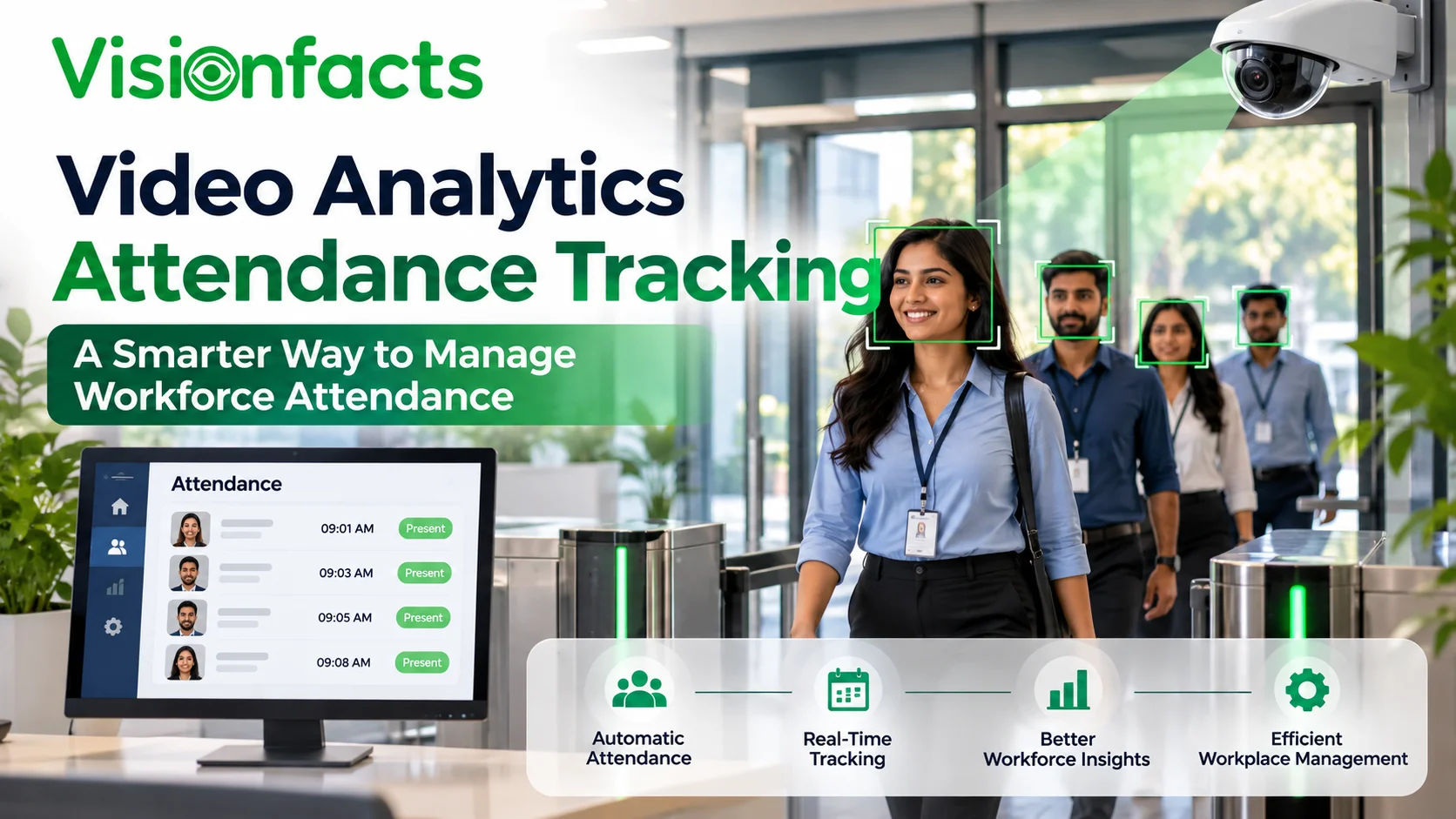
Keeping track of the attendance of employees appears easy until the workplace expands to have many employees, different entrances, shifts, and departments. Traditional systems that include registers, access cards, fingerprints, or separate devices for checking attendance can be used effectively; however, there would be the need to add one extra step for employees.
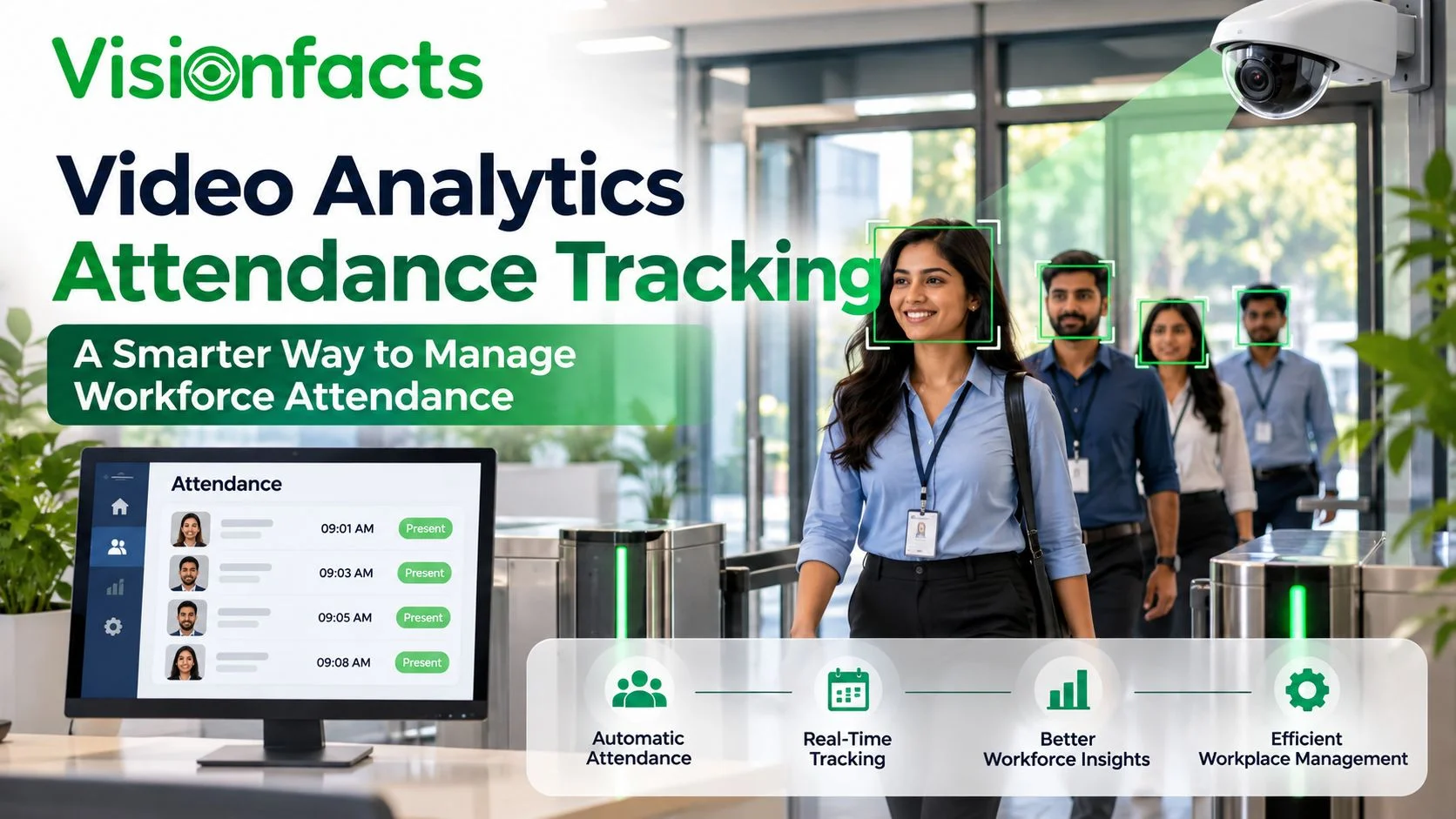
Video analytics attendance tracking system is another option that uses camera infrastructure and video analytics technology to provide attendance monitoring.
It can help enterprises to minimize their efforts, comprehend workplace activities, and manage attendance data effectively.
Transforming CCTV Cameras into Attendance Trackers
CCTV cameras are already in use in most workplaces to ensure security. The cameras record activities in front of different entrance and exit points and inside important locations within the facility.
By implementing video analytics technology, feeds from compatible cameras can be utilized for generating relevant attendance data. Based on the type and configuration of the system, enterprises can track the activities of their employees entry and exit and keep digital records for authorized personnel.
Facilitating Employee Check-Ins
There may be occasions during the work day or shift change where the conventional methods of attendance recording tend to generate queues. This is because there may be requirements such as card swiping, fingerprints verification, entering passwords or manual attendance registration.
Attendance monitoring systems that employ video analytics enable employees to pass through the designated monitored regions as the system automatically gathers any necessary attendance related information.
This can make the process much more efficient, especially for companies that have many employees.
Visibility of Attendance Information at Multiple Facilities
When an organization operates from multiple locations, there are additional layers of complexity added to attendance monitoring.
It becomes much easier for organizations to gather attendance related information from various monitored locations using video analytics. Rather than keeping separate logs for each region, it becomes possible to gather the information from one central place.
Decreasing Administrative Efforts
Managing attendance might require quite an effort to be put into doing certain things again and again. HR departments might have to check entries, create reports, find out any missing information and compare data of different systems.
Using automation for some processes related to attendance management might help decrease these efforts.
This will let people have more time for doing other important things like workforce planning.
More Than Employee Attendance Data
Another advantage of using video analysis is the fact that the data gained through such analysis might provide useful information for business operational planning if it is used correctly.
The company might learn:
- Most common times of employees coming to work and going home
- Most popular entrance and exit places
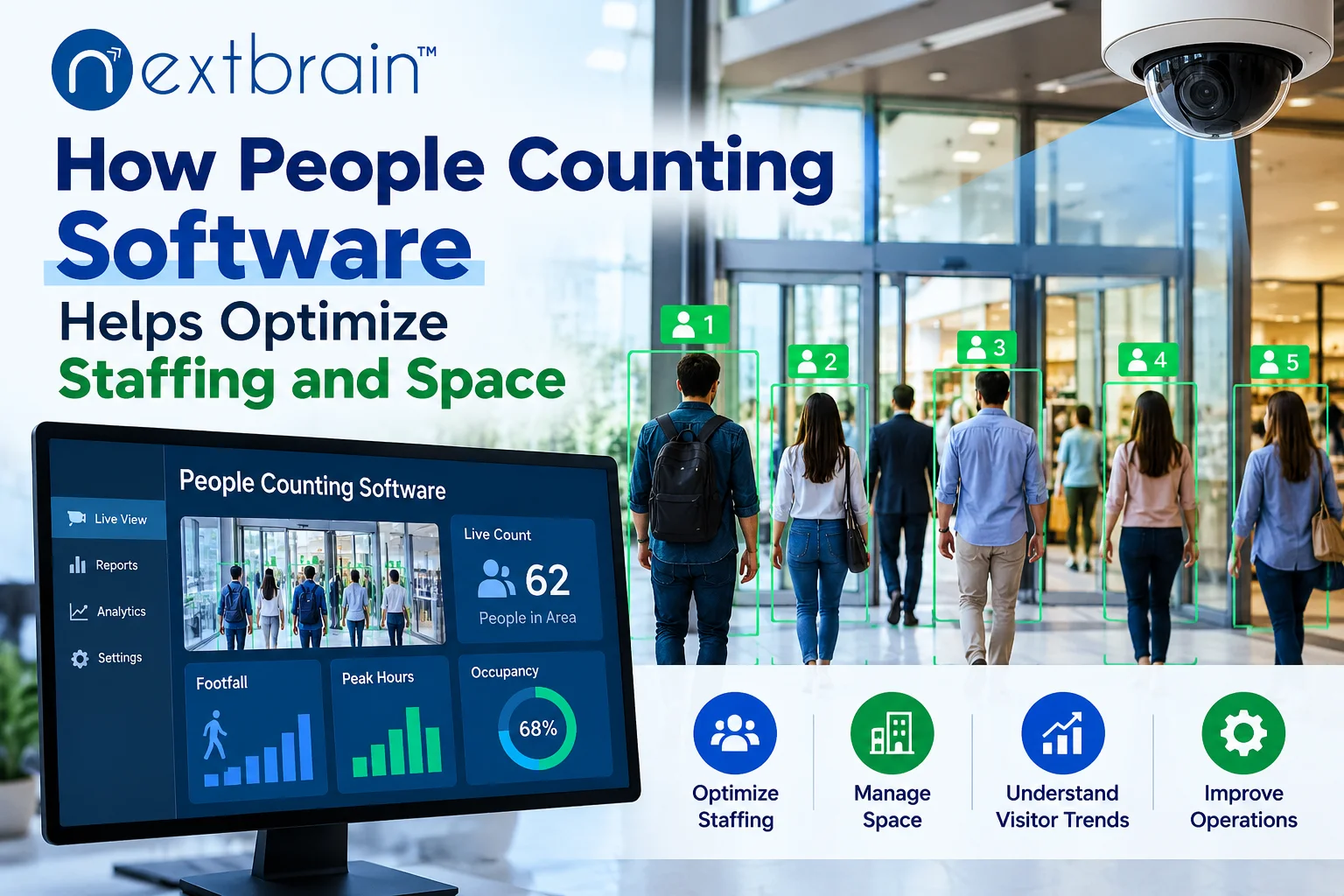
- General pattern of occupancy and activity in the workplace
- Pattern of movement in specific areas
- Staffing needs during different periods
- Patterns of space usage
Supporting the Modern and Flexible Workplace
The modern workplace does not necessarily adhere to the traditional nine-to-five work structure. Businesses can run different shifts, flexible working hours, hybrid structures, or a continuous working operation.
A video analytics solution makes it possible for there to be continuous surveillance in designated areas without the need to manually keep attendance logs through the day.
Large workplaces such as manufacturing plants, warehouses, corporate facilities, and other large operations can benefit from this solution in terms of scaling up as the business grows.
Using Already Existing Technology More Effectively
When introducing new technology in the workplace, one does not necessarily have to get rid of all the already existing technology.
If the already existing technology is compatible with video analytics attendance tracking technology, then it is possible to use them together and thus make more out of existing surveillance solutions than installing new cameras just to track attendance.
This would depend on camera positioning, video clarity, compatibility, and coverage.
Considering Privacy and Data Security Issues
Video surveillance should always be performed in a responsible manner. The company needs to know what information is collected, why it is collected, for how long it is stored, and who has access to it.
Proper policy establishment, proper access, data protection, and compliance with privacy and labor laws should be among the elements of video analytics deployment.
The transparency of using the technology may allow the staff to understand the reasons behind its usage.
Conclusion: Making Workforce Attendance Smart
Attendance management should not become complicated when the business grows. Video analytics attendance tracking system allows an organization to automate some processes of managing attendance, save administrative efforts, and gain insights into the workplace while using surveillance system effectively.
For businesses seeking to make workforce management smart and effective, Visionfacts offers video analytics services for modern business environment.
To learn more about the video analytics attendance-tracking solution, contact VisionFacts now.
Frequently Asked Questions
What is video analytics attendance tracking?
The video analytics attendance tracking involves the use of compatible security camera feeds along with intelligent analytics to enable the monitoring of employee attendance and presence in the workplace area.
Can it be integrated with the current CCTV cameras?
In some situations, video analytics can be compatible with existing CCTV or IP cameras. This depends on the current camera system, video quality, network and video analytics capabilities.
Can it lessen manual attendance activities?
Yes. Automation of attendance monitoring can lead to a reduction in manual activities such as register management and compilation of attendance details.
Is it ideal for large organizations?
This method is especially useful for large factories, warehouses, corporate offices, campuses, or establishments with multiple doors, departments, or shift-based work.
What kind of business information can be provided by attendance analytics?
Apart from the attendance information, attendance analytics may also give information about peak arrival times, occupancy patterns, door usage, and workplace movement pattern.