Sign up with Google
 Sign in with Zoho

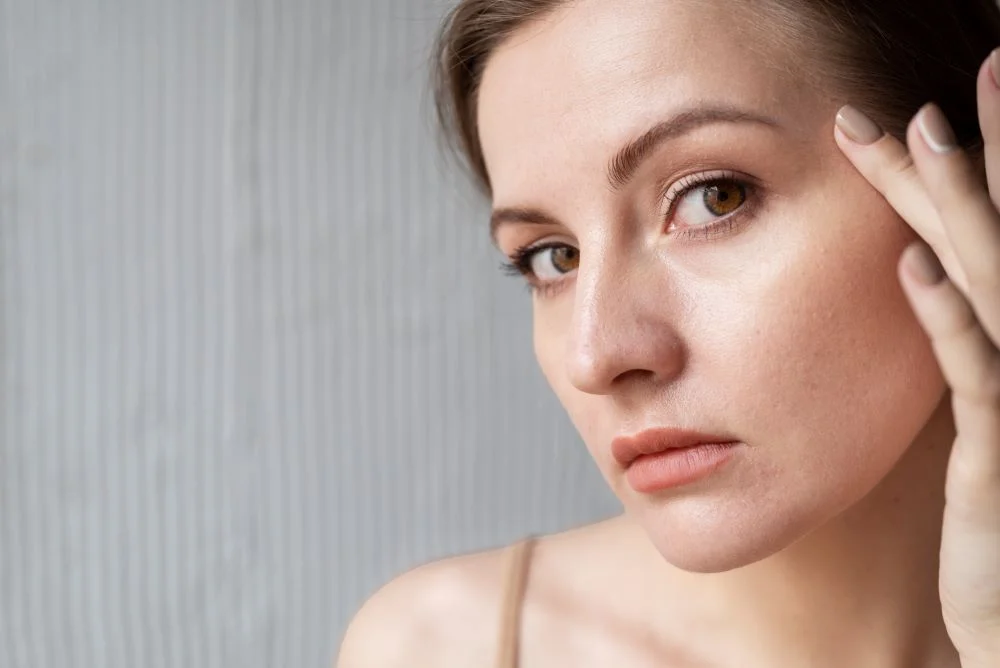
The main reason for acne is genetically influenced hormone sensitivity that causes excess oil production, clogged hair follicles, and bacterial inflammation in the skin.
Almost everyone deals with acne at some point — studies estimate it affects somewhere between 80 and 90 percent of people between the ages of 11 and 30, making it one of the most common skin conditions in the world. Yet despite how widespread it is, acne remains one of the most misunderstood conditions out there. People blame chocolate, dirty skin, not washing enough, or stress alone. The truth is more specific — and more useful to know, because it explains why certain treatments work and others don't. If you are looking for Acne treatment then Tretizen is best option to treat Acne.
So what actually causes acne? The short answer is that acne is fundamentally a hormonal and genetic condition that plays out inside your hair follicles. Everything else — diet, stress, skincare habits, humidity — sits on top of that foundation, nudging things better or worse. Understanding the core mechanism makes the rest of the picture click into place.
The Real Starting Point: Genetics and Hormones
If you ask dermatologists what the single biggest driver of acne is, the answer increasingly points toward genetic predisposition. Research suggests that a large share of the variability in who gets acne and how severely — some estimates put it as high as 80 percent — comes down to inherited genetic factors. If your parents struggled with acne, especially cystic or persistent acne, your odds of experiencing it too go up substantially.
What genetics primarily controls is how your skin responds to androgens — the hormones (including testosterone) that everyone produces, regardless of sex, though usually in larger amounts during puberty. Androgens signal the sebaceous glands in your skin to produce more sebum, the oily substance that lubricates skin and hair. Some people's glands are simply more sensitive to normal androgen levels than others, which is why two people can have identical hormone levels on a blood test and completely different skin.
This is also why acne shows up so reliably around puberty, why it can flare around a menstrual cycle, and why some adults deal with "hormonal acne" well into their 30s and 40s, especially along the jawline and chin — areas particularly responsive to androgen signaling.
How a Pimple Actually Forms
Hormones set the stage, but the visible pimple is the result of a specific four-part process happening inside a single hair follicle, or pore:
1. Excess sebum production. Androgen-stimulated sebaceous glands pump out more oil than the skin needs. This oil is meant to travel up the follicle and onto the skin's surface, but when there's too much of it, it starts to back up.
2. Abnormal shedding of skin cells (hyperkeratinization). Normally, dead skin cells inside the follicle shed and clear out steadily. In acne-prone skin, this shedding process goes haywire — cells stick together and build up instead of leaving the follicle. This buildup is what starts to form a plug.
3. A clogged follicle. Excess oil and stuck skin cells combine to physically block the pore. This blockage is what you see, sometimes, as a blackhead (an open, oxidized plug) or a whitehead (a closed plug under the skin's surface).
4. Bacterial overgrowth and inflammation. A clogged, oil-rich follicle is an ideal environment for Cutibacterium acnes (formerly known as Propionibacterium acnes), a bacterium that lives on everyone's skin normally in small amounts. Inside a blocked pore, it multiplies. The immune system responds to this bacterial overgrowth by sending inflammatory signals — cytokines like IL-1β and pathways involving immune cells such as Th17 cells — to the area. That inflammatory response is what turns a simple clogged pore into the red, swollen, sometimes painful bump most people think of as a "pimple." In more severe cases, this inflammation goes deep into the skin, producing the larger nodules and cysts associated with cystic acne, which carries a higher risk of lasting scarring.
So while people often describe acne as being "caused by bacteria" or "caused by oily skin," neither is accurate on its own. Bacteria are present on everyone's skin, and oily skin alone doesn't guarantee breakouts. It's the specific combination — excess oil, a clogged follicle, and the immune system's inflammatory reaction to bacterial overgrowth inside that clog — that produces acne. And the reason some people's skin runs through this whole cycle constantly while others rarely experience it comes back to that underlying genetic and hormonal sensitivity.
What About Diet, Stress, and Skincare?
These factors are real, but they're better understood as things that can aggravate an existing predisposition rather than root causes on their own.
- Diet: Some research links high-glycemic foods (refined carbs, sugary foods) and dairy, particularly skim milk, to worse acne in some people, possibly because both can influence insulin and hormone pathways that affect oil production. The evidence isn't strong enough to say any single food "causes" acne, but for people already prone to breakouts, diet can be a meaningful lever.
- Stress: Stress hormones, including cortisol, can influence androgen activity and increase oil production, which is why people often notice breakouts during high-stress periods like exams or major life changes. Stress doesn't create acne from nothing, but it can intensify it.
- Skincare and cosmetics: Heavy, pore-clogging (comedogenic) products, over-cleansing that irritates the skin barrier, and habits like not removing makeup can all contribute to clogged follicles. These are modifiable factors, which is part of why they get so much attention — but they're aggravators layered on top of the hormonal and genetic foundation, not the foundation itself.
- Environment: Humidity, sweat, friction from masks or tight clothing, and certain medications can also tip things toward more breakouts.
Why This Matters for Treatment
Understanding the real mechanism explains why effective acne treatments target multiple points in that four-step process rather than just one. Benzoyl peroxide reduces bacteria. Retinoids and adapalene correct the abnormal skin-cell shedding that causes clogging. Salicylic acid helps clear oil and debris from inside the pore. Hormonal treatments, including certain birth control pills or spironolactone, address the androgen sensitivity at the root of the problem for people whose acne is strongly hormonal.
No single product fixes acne for everyone, because the balance between genetics, hormones, and environmental triggers is different for each person. But knowing that acne starts with genetically influenced hormonal sensitivity — not a lack of hygiene or willpower — is the first step toward treating it patiently and effectively, rather than blaming yourself for something largely written into your biology.