Sign up with Google
 Sign in with Zoho

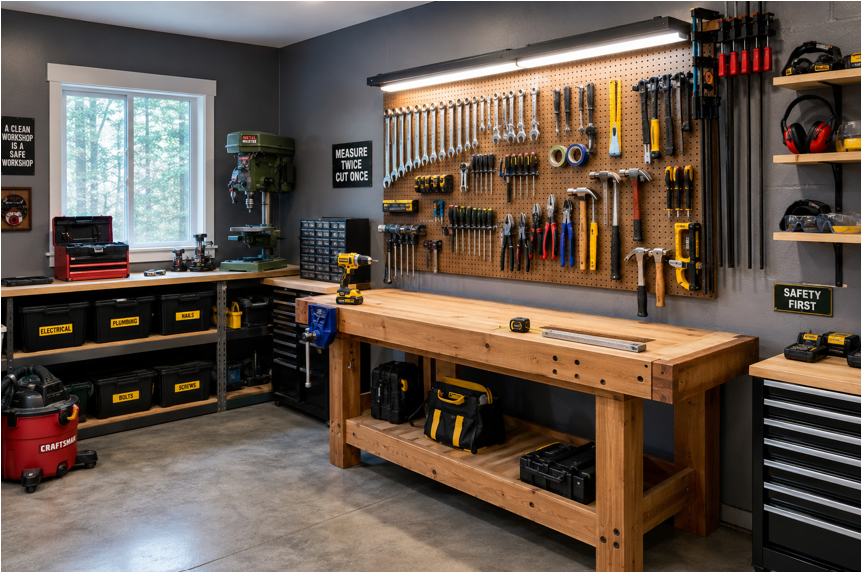
How to Build a Complete Home Workshop Without Overspending
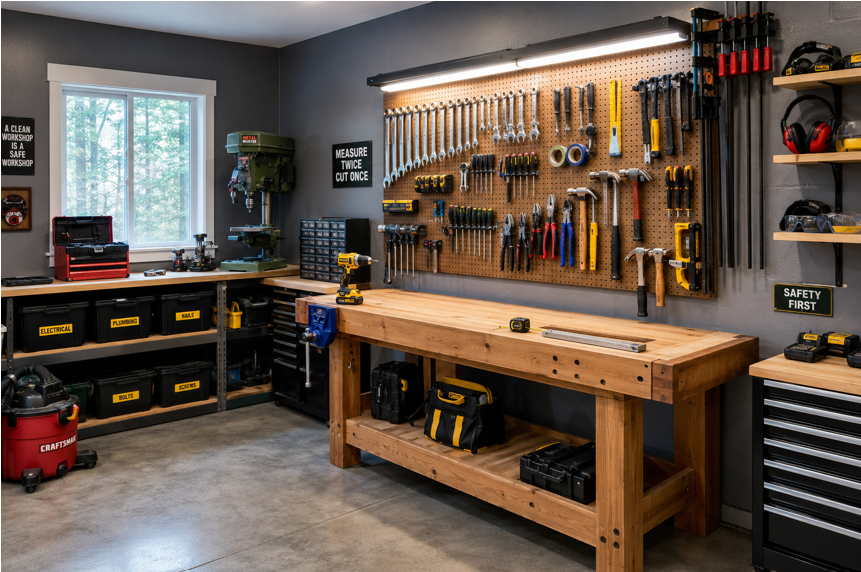
Building a home workshop is a goal shared by many DIY enthusiasts, homeowners, woodworkers, and repair professionals. Whether you're assembling furniture, handling home repairs, creating woodworking projects, or maintaining equipment, having a dedicated workspace can save time, improve productivity, and reduce long-term costs.
The biggest misconception about setting up a workshop is that it requires a large investment from the start. Many people assume they need expensive machinery, professional-grade equipment, and a fully furnished workspace before they can begin working on projects. In reality, the most effective home workshops are often built gradually, with each tool serving a practical purpose.
Today's growing DIY culture has made it easier than ever to create a functional workspace on a reasonable budget. By focusing on essential workshop tools, prioritizing quality over quantity, and purchasing equipment strategically, homeowners can build an efficient workshop without overspending.
Why More Homeowners Are Building Home Workshops
Over the past few years, DIY projects have become increasingly popular. Many homeowners now prefer handling basic repairs, furniture assembly, home improvement projects, and maintenance tasks themselves rather than hiring professionals for every job.
A well-equipped home workshop provides several advantages:
* Saves money on repairs and maintenance
* Improves project efficiency
* Provides a dedicated workspace for creativity
* Reduces dependency on outside contractors
* Helps develop valuable DIY skills
Whether you're fixing a loose cabinet hinge, building custom shelving, or restoring old furniture, having the right tools readily available can make a significant difference. The key is knowing which tools are truly necessary and which purchases can wait until later.
Start with a Clear Workshop Plan
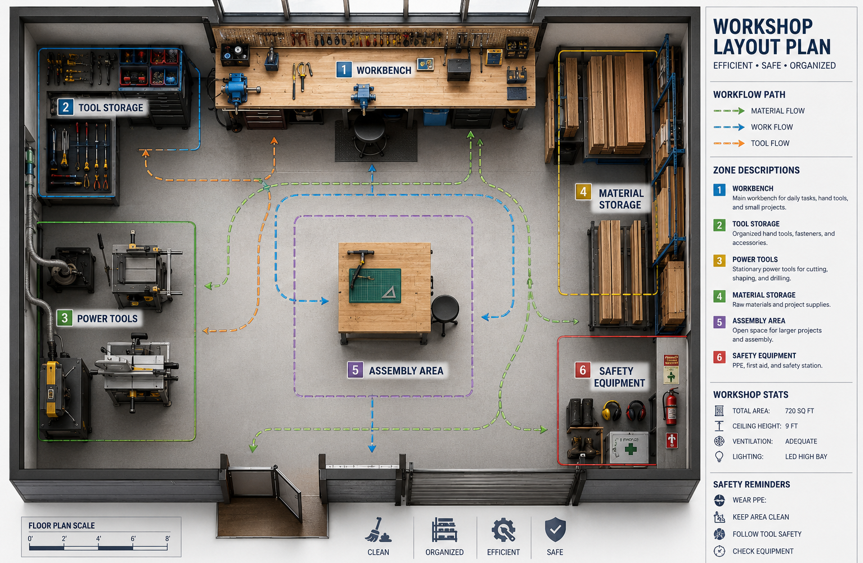
Before buying a single tool, take time to evaluate the type of projects you expect to complete most often.
For example:
* Woodworkers require cutting and sanding tools
* Home repair enthusiasts need versatile hand and power tools
* Hobbyists may prioritize precision measuring equipment
* Garden maintenance projects often require outdoor tools
Planning ahead helps prevent impulse purchases and ensures every tool contributes value to your workshop.
Consider factors such as:
* Available space
* Storage requirements
* Project frequency
* Electrical access
* Budget limitations
A thoughtful workshop plan often saves hundreds or even thousands of rupees in unnecessary purchases.
Essential Hand Tools Every Workshop Should Have
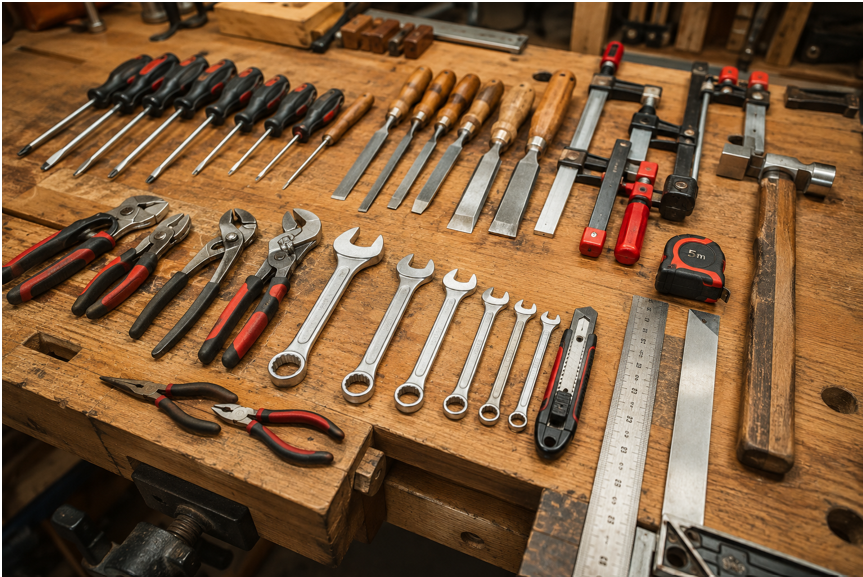
While power tools receive most of the attention, hand tools remain the foundation of every successful workshop. Even experienced professionals rely on quality hand tools for precision work, adjustments, and maintenance tasks.
A beginner-friendly workshop should include:
* Screwdriver set
* Combination pliers
* Adjustable wrench
* Claw hammer
* Utility knife
* Measuring tape
* Spirit level
* Hex key set
* Clamps
Many of these tools are used in almost every project, making them one of the smartest initial investments.
Professionals and DIY enthusiasts looking for durable and reliable hand tools can explore the extensive collection available at hand tools where essential workshop tools are available for various applications. Quality hand tools typically last for years and often provide better value than purchasing low-cost alternatives repeatedly.
Invest in Versatile Power Tools First
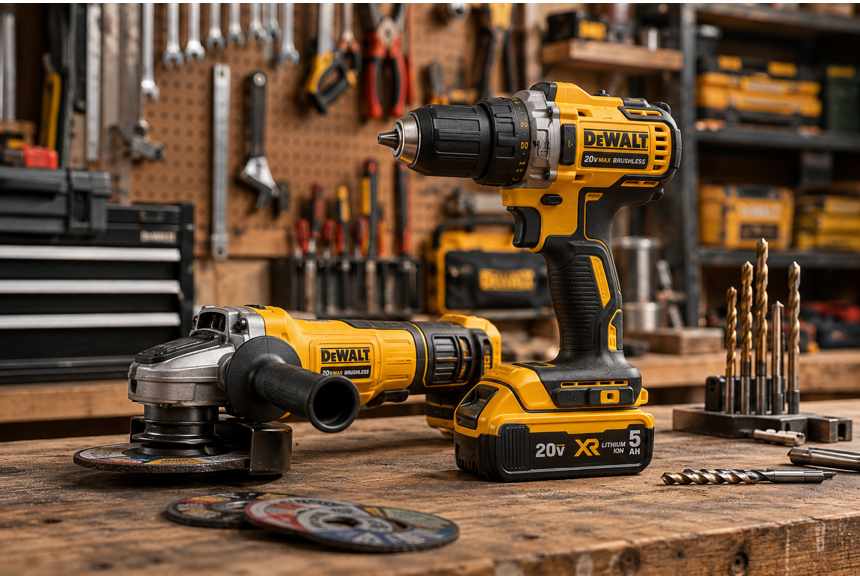
One of the most common mistakes new workshop owners make is purchasing specialized equipment too early. Instead, focus on power tools that can handle multiple applications. A few versatile power tools can complete the majority of workshop projects:
Cordless Drill Driver
The cordless drill is arguably the most important power tool in any workshop.
It can be used for:
* Drilling holes
* Driving screws
* Furniture assembly
* Cabinet installation
* General repairs
Angle Grinder
An angle grinder is useful for:
* Cutting metal
* Grinding surfaces
* Rust removal
* Surface preparation
Homeowners looking to expand their workshop efficiently can browse quality power tools through the power tools collection, which includes tools designed for both professionals and DIY users.
Workshop Storage Solutions That Save Money
An organized workshop is often more productive than one filled with expensive equipment. Without proper storage, tools become difficult to locate, vulnerable to damage, and more likely to be misplaced. Fortunately, workshop organization doesn't require costly cabinets or custom furniture.
Affordable storage solutions include:
* Pegboards
* Wall-mounted racks
* Toolboxes
* Plastic storage bins
* Shelving units
* Magnetic tool holders
Creating designated storage areas for frequently used tools improves workflow and keeps projects running smoothly. Workshop owners searching for storage accessories and workshop organization products can find suitable solutions within the hardware and fittings section at hardware-fittings.
Buy Quality Tools Instead of Large Tool Kits
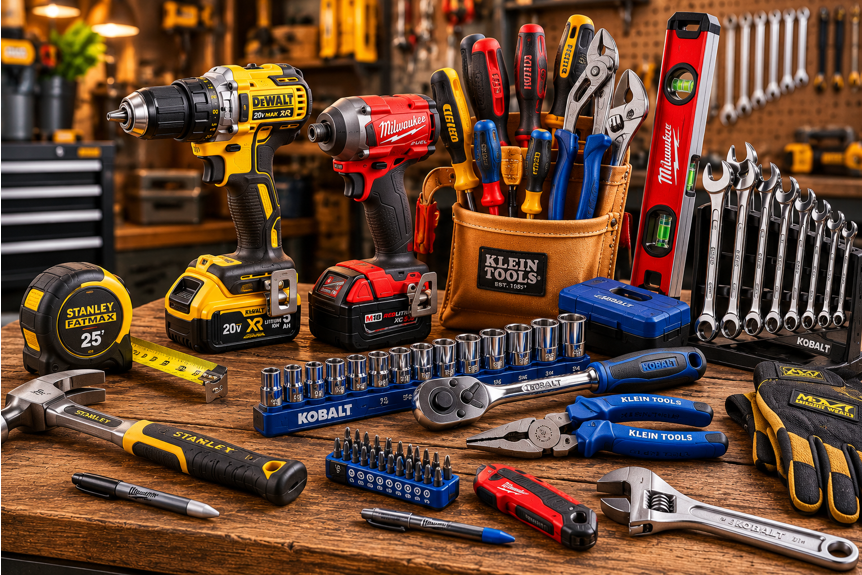
Many beginners are attracted to large tool kits containing dozens of items at extremely low prices. While these kits may seem like a bargain, they often contain tools that are rarely used and may lack the durability needed for regular projects. Instead of purchasing the largest set available, focus on acquiring quality tools gradually.
Benefits of buying quality tools include:
* Improved accuracy
* Better durability
* Increased safety
* Reduced replacement costs
* Greater user comfort
Professional-grade tools often remain functional for many years, making them a better long-term investment. It's generally more cost-effective to purchase one reliable tool than replace several low-quality alternatives.
Why Tools Warehouse Is a Smart Choice for Workshop Builders
Building a home workshop becomes significantly easier when tools, accessories, hardware products, and workshop equipment can be sourced from a single trusted platform. Tools Warehouse provides access to a wide range of products including:
* Power tools
* Hand tools
* Workshop equipment
* DIY tools
* Hardware fittings
* Storage solutions
* Professional accessories
Customers can conveniently explore products across categories through collections, making it easier to compare options and choose equipment that fits both project requirements and budget. Whether you're building your first workshop or upgrading an existing setup, having access to reliable products and trusted brands can significantly improve results.
Final Thoughts
Creating a complete home workshop does not require an enormous budget. The most successful workshops are often built step by step, with each purchase carefully chosen based on actual needs rather than impulse buying.
By starting with essential hand tools, investing in versatile power tools, staying organized, and taking advantage of discounts when available, homeowners can create a productive and efficient workspace without overspending.
A well-planned workshop not only supports DIY projects and home repairs but also provides long-term value through increased self-sufficiency and skill development. With the right strategy and the right tools, building a professional-quality home workshop on a budget is entirely achievable.