
 Sign up with Google
 Sign in with Zoho
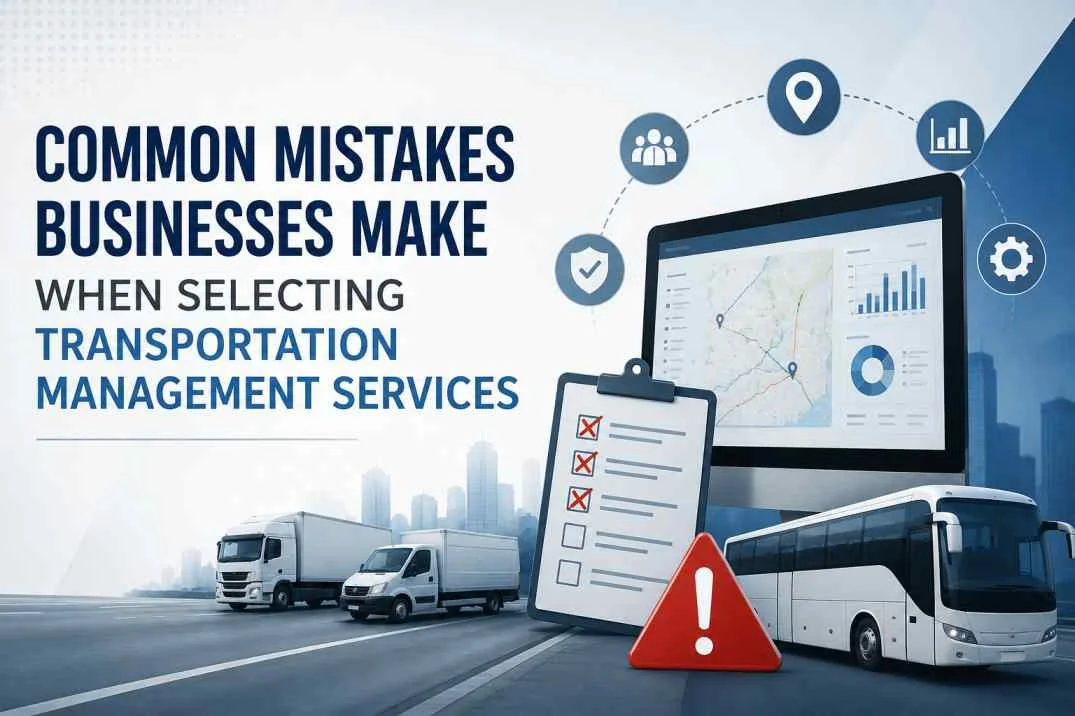
Selecting the right transportation management services is one of the most important decisions for organizations that rely on employee transportation, fleet operations, or logistics. Whether you operate a growing enterprise, manage a corporate fleet, or run a transport business, the right solution can improve operational efficiency, reduce costs, and enhance customer or employee satisfaction. On the other hand, choosing the wrong provider can lead to unnecessary expenses, delayed operations, poor visibility, and inefficient fleet management.
As transportation operations become more complex, businesses are moving away from spreadsheets, paperwork, and manual coordination in favor of smarter digital solutions. A modern transport management system helps automate daily tasks, provides real-time vehicle tracking, improves route planning, and gives businesses better visibility over their fleet operations. Despite these advantages, many organizations still choose the wrong solution because they overlook important factors during the selection process.
In this article, we'll explore the most common mistakes businesses make when selecting transportation management services and share practical tips to help you make a confident, informed decision that supports your long-term operational goals.
Why Choosing the Right Transportation Management Services Matters
Transportation is no longer just about moving vehicles from one location to another. Today's businesses require intelligent solutions that improve planning, streamline dispatch, monitor vehicles in real time, and generate actionable insights.
Reliable transportation management services help organizations:
- Optimize routes and reduce travel time
- Improve fleet utilization
- Lower fuel and maintenance costs
- Enhance driver productivity
- Increase operational transparency
- Improve customer and employee satisfaction
- Ensure compliance with safety standards
The right technology partner can become a long-term asset for business growth.
Mistake 1: Choosing Based Only on Price
One of the biggest mistakes businesses make is selecting the cheapest service without considering long-term value.
A low-cost solution may lack essential capabilities such as:
- Real-time GPS tracking
- Route optimization
- Automated scheduling
- Driver management
- Reporting and analytics
- Mobile applications
- Customer support
Instead of focusing solely on upfront costs, evaluate the total value the provider delivers. Investing in a robust transport management system often results in significant savings through improved efficiency and reduced operational expenses.
Mistake 2: Ignoring Business Requirements
Every organization has unique transportation needs. A manufacturing company, corporate office, logistics provider, and employee shuttle operator all require different features.
Businesses often choose generic transportation management services without identifying their operational challenges first.
Before selecting a provider, ask questions such as:
- How many vehicles need to be managed?
- Will the fleet expand in the future?
- Do you require employee transportation management?
- Is route optimization necessary?
- Do you need real-time vehicle visibility?
- What reporting capabilities are essential?
Understanding your business requirements helps you choose software that aligns with your operational goals.
Mistake 3: Not Evaluating Software Features
Many organizations overlook feature comparisons and focus only on marketing claims.
A reliable software for transport company should provide features such as:
- Live GPS tracking
- Automated trip scheduling
- Route optimization
- Driver allocation
- Vehicle maintenance reminders
- Fuel monitoring
- Attendance integration
- Mobile applications
- Real-time alerts
- Dashboard reporting
Evaluating these capabilities ensures the solution supports your day-to-day operations rather than creating additional manual work.
Mistake 4: Overlooking Scalability
Businesses evolve over time. Fleet sizes increase, routes become more complex, and operational demands change.
Choosing transportation management services that only meet current requirements can lead to expensive upgrades or complete system replacements later.
Instead, select a provider whose platform can scale with your business by supporting:
- Additional vehicles
- Multiple branches
- Multiple users
- Increased trip volumes
- New operational locations
Scalable solutions protect your investment and support long-term growth.
Mistake 5: Ignoring Integration Capabilities
Transportation software rarely works in isolation.
Businesses often need their transport management system to integrate with:
- HR software
- Payroll systems
- ERP platforms
- GPS devices
- Attendance systems
- Accounting software
- CRM solutions
Ignoring integration capabilities creates data silos, duplicate work, and operational inefficiencies.
Always verify that your selected provider supports seamless integration with your existing business systems.
Mistake 6: Not Checking Customer Support
Even the best software requires technical assistance from time to time.
Some businesses choose providers without evaluating:
- Response times
- Technical expertise
- Training availability
- Implementation assistance
- Dedicated account managers
Reliable transportation management services should include responsive customer support to minimize downtime and ensure smooth operations.
Ask for customer references and understand the support process before making your final decision.
Mistake 7: Ignoring Data Security
Transportation software stores valuable business information, including:
- Vehicle locations
- Employee travel data
- Driver information
- Business routes
- Operational reports
Choosing a provider without reviewing security practices can expose businesses to unnecessary risks.
Ensure your software for transport company includes:
- Secure cloud infrastructure
- Role-based access
- Data encryption
- Backup and recovery
- Regular security updates
Protecting sensitive transportation data should always be a priority.
Mistake 8: Failing to Test the Software
Many businesses purchase software after watching a sales presentation without actually testing the platform.
A live demo or trial helps you evaluate:
- Ease of use
- Dashboard functionality
- Mobile application performance
- Reporting features
- Navigation
- Workflow efficiency
Hands-on testing allows your operations team to identify whether the software fits your daily processes.
Mistake 9: Ignoring Reporting and Analytics
Modern transportation decisions should be data-driven.
Businesses often underestimate the importance of reporting features when selecting transportation management services.
A quality platform should provide insights into:
- Fleet utilization
- Trip performance
- Fuel consumption
- Driver behavior
- Vehicle downtime
- Route efficiency
- Operational costs
Analytics enable managers to identify improvement opportunities and make informed decisions.
Mistake 10: Choosing Technology Without Future Innovation
Transportation technology continues to evolve with artificial intelligence, predictive analytics, automation, and IoT-enabled fleet monitoring.
Selecting outdated software limits future growth.
Look for providers that regularly update their transport management system with new capabilities, ensuring your business remains competitive as technology advances.
What to Look for in Transportation Management Services
Instead of focusing on price alone, evaluate providers using a comprehensive checklist.
An ideal solution should offer:
- Real-time fleet visibility
- Intelligent route optimization
- Automated scheduling
- Driver management
- Vehicle maintenance tracking
- Fuel monitoring
- Cloud-based accessibility
- Mobile applications
- Advanced reporting
- Easy integrations
- Strong customer support
- High security standards
- Scalability for business growth
These capabilities help organizations improve operational efficiency while reducing transportation costs.
The Role of Technology in Modern Transportation
Technology has transformed transportation management from a manual process into a strategic business function.
Today's software for transport company enables organizations to:
- Automate repetitive tasks
- Eliminate paperwork
- Improve dispatch accuracy
- Track vehicles in real time
- Reduce idle time
- Improve driver accountability
- Enhance customer communication
- Increase operational transparency
Businesses that embrace digital transportation solutions are better positioned to improve productivity and respond quickly to changing operational demands.
Conclusion
Choosing the right transportation management services is a strategic decision that directly impacts operational efficiency, cost control, and service quality. While many businesses focus on pricing or basic features, overlooking critical factors such as scalability, integration, reporting, security, and customer support can lead to long-term challenges.
A modern transport management system should do more than manage trips—it should streamline operations, improve visibility, automate workflows, and support future business growth. Likewise, investing in reliable software for transport company helps organizations optimize fleet performance, reduce manual effort, and make data-driven decisions with confidence.
By avoiding these common mistakes and carefully evaluating your options, businesses can select transportation solutions that deliver lasting value, improve operational performance, and create a strong foundation for sustainable growth.











.webp)

