Sign up with Google
 Sign in with Zoho

Fish meal rarely makes headlines, yet it quietly shapes the cost of farmed salmon, shrimp, and even some poultry and pig diets. Few feed ingredients are as sensitive to weather, quotas, and global demand. For feed millers, aquaculture farms, and traders, the fish meal price is a daily number to watch. Right now, that number is telling an interesting story.
What Is Fish Meal, and Why Does Its Price Matter?
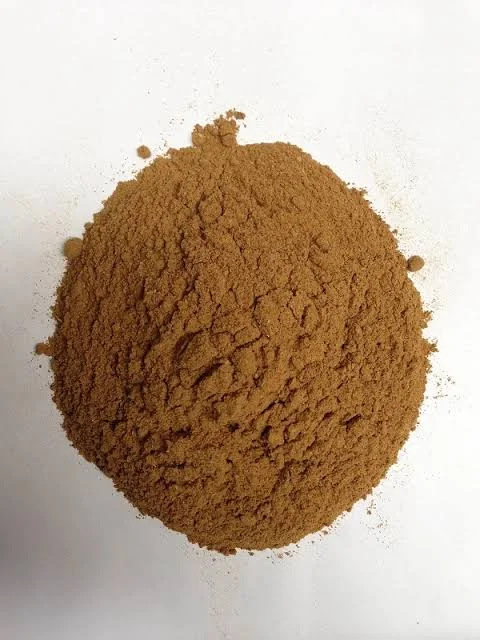
Fish meal is a protein-rich powder made by cooking, pressing, drying, and grinding whole fish or fish trimmings. Anchovy, sardine, herring, capelin, and menhaden are the main raw materials. Its balanced amino acids and digestible protein make it a premium ingredient in aquaculture feed, which is why even small price swings ripple through the cost of producing seafood.
Where Fish Meal Prices Stand Today
Prices have climbed sharply over the past year. The IMF's global benchmark averaged about $1,511 per metric ton in 2025, after a fourth-quarter 2025 average of roughly $1,724. By early 2026, the monthly figure had moved past $2,000 per ton.
The more recent readings are higher still. The IMF's Peruvian fishmeal index (65% protein, CIF) stood at about $2,630 per ton in July 2026. In Europe, the World Bank's German benchmark showed roughly $2,500 per ton in August 2026. These are indicative benchmark figures. Actual quotes vary by protein grade, origin, and delivery terms.
Key Factors Behind the Rise
Supply Is Concentrated in a Few Places
Peru is the largest exporter, so its anchovy season sets the tone for the global market. When quotas are cut or fishing is disrupted by warm ocean conditions such as El Niño, supply tightens quickly and prices respond. A smaller catch in one country can lift prices worldwide.
Aquaculture Keeps Demanding More
Farmed fish and shrimp production continues to grow, and feed formulators want reliable, high-quality protein. Demand from Asia, especially China, has historically been a major price driver. Strong buying during tight supply pushes prices up further.
Competing Uses for Marine Ingredients
Fish oil and fish meal come from the same raw material, and the pet food and specialty nutrition sectors are competing for premium supply. This adds pressure on availability, particularly for the highest grades.
Understanding Grades and Why Quotes Differ
Not every price you see refers to the same product. A few details explain the gaps between quotes:
- Protein content, with 65 to 68 percent super prime commanding more than 60 percent standard grades
- Origin, with Peruvian, Chilean, Scandinavian, and Asian fish meal each priced differently
- Delivery terms such as FOB, CIF, or ex-warehouse, which change the final cost
- Freshness and processing quality, including low-temperature drying and antioxidant treatment
- Certification for sustainable sourcing, which can add a premium
Comparing like with like is the most reliable way to judge whether a price is fair.
Trends Shaping the Market Right Now
Several developments are worth watching:
- Rising interest in alternatives such as insect meal, algae, and plant proteins, driven by cost and sustainability concerns
- Growing use of fish trimmings and byproducts instead of whole wild-caught fish
- Closer attention to sustainability certification among large feed buyers
- Higher price volatility linked to climate patterns affecting fishing seasons
- Stronger long-term contracts as buyers try to lock in supply and manage risk
How Buyers Can Manage Price Risk
Buyers rarely control the market, but they can plan around it. Watching the Peruvian fishing season calendar helps anticipate supply changes. Diversifying suppliers across regions reduces dependence on a single source. Some feed producers adjust formulations to include alternative proteins when prices spike, using fish meal where it adds the most value. Securing forward contracts during stable periods can protect budgets when the market turns.
Small buyers and farmers can ask suppliers for a specification sheet showing protein, fat, moisture, and ash content. A cheaper price often reflects lower protein or higher moisture, which means paying more per usable unit of protein.
Where Prices May Head Next
Forecasting commodity prices is difficult, and nobody can say with certainty where fish meal will go. The factors most likely to matter are upcoming Peruvian quotas, ocean temperature conditions, aquaculture demand, and how quickly alternative proteins scale up. For now, the market reflects tight supply and steady demand. Anyone buying should check live quotes from suppliers or recognized price reporting sources before committing, since prices can move within weeks.
The Bottom Line
Fish meal price is more than a trading number. It reflects ocean conditions, fishing policy, farming growth, and global feed economics all at once. With benchmarks well above last year's levels, informed buyers who understand grades, origins, and market drivers are best placed to manage costs. Staying current with reliable data and building flexibility into feed formulations are the most practical ways to handle a market that rarely stands still.