Sign up with Google
 Sign in with Zoho

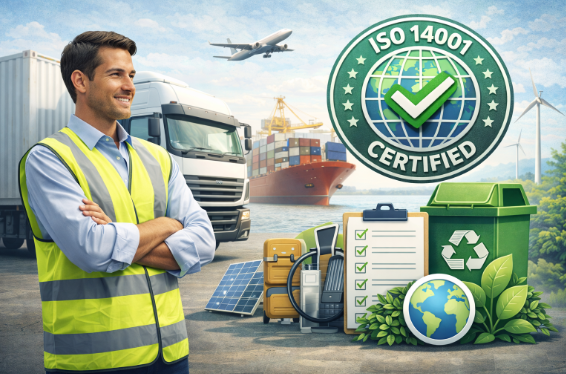
Logistics and transport companies operate every single day, often around the clock. Trucks move between cities, delivery vans stop at warehouses, and cargo shifts from ports to distribution centers. Because of this constant movement, transport businesses interact directly with the environment more than many other industries. Fuel combustion, vehicle maintenance, storage yards, and loading operations all affect air, water, and land.
That is exactly where ISO 14001 requirements become relevant. They give transport companies a structured method to control environmental impact while keeping operations practical. Instead of relying on informal practices or occasional inspections, the company works through defined procedures and measurable actions.
Environmental compliance is no longer limited to large corporations. Even medium-sized fleet operators face increasing expectations from customers, regulators, and business partners. Clients want proof that shipments move responsibly, not just efficiently. Following ISO 14001 requirements provides that proof in a clear and organized way.
What ISO 14001 Requirements Mean in Transport Operations
At its core, ISO 14001 focuses on environmental management. For transport businesses, this means understanding how daily activities influence surroundings and then controlling those effects. The company identifies environmental aspects connected to operations and sets controls to manage them.
In a logistics setting, environmental aspects are easy to recognize. Vehicles emit exhaust gases. Fuel storage tanks carry leakage risk. Maintenance workshops handle oils and chemicals. Warehouses generate packaging waste.
By applying ISO 14001 requirements, the organization lists these activities and evaluates their environmental impact. The goal is not to stop operations; transport must continue. The goal is to run operations responsibly and consistently.
A transport company typically examines:
- Fuel consumption from fleets
- Exhaust emissions from trucks and vans
- Oil handling and disposal
- Battery storage and recycling
- Warehouse waste management
- Water usage during cleaning or washing vehicles
Each of these areas receives attention through procedures rather than informal habits. Once staff understand what to monitor, environmental control becomes part of normal work instead of a separate responsibility.
Why Environmental Compliance Matters for Transport Companies
Transportation directly contributes to air pollution and carbon emissions. Governments monitor it closely, and customers increasingly consider sustainability when choosing logistics partners. Environmental compliance therefore affects both legal standing and business reputation.
Following ISO 14001 requirements helps companies stay organized when dealing with regulations. Instead of reacting to inspections, they maintain documented control. Auditors and authorities prefer structured systems because they demonstrate ongoing responsibility.
There is also a commercial reason. Many manufacturers and exporters select logistics providers based on environmental performance. They need partners who can support their own compliance commitments. A transport provider that applies ISO 14001 requirements becomes easier to trust.
Operational reliability improves as well. When companies track fuel, waste, and maintenance activities, they discover inefficiencies. Sometimes the environmental program starts for compliance but ends up improving operations. Drivers adopt better driving practices. Vehicles receive timely maintenance. Fuel usage becomes predictable.
Environmental Risks in Logistics Activities
Transport operations involve several routine tasks that can harm the environment if unmanaged. Problems rarely appear suddenly; they usually grow from small daily practices.
Consider vehicle maintenance. A workshop may store used oil in containers. Without clear procedures, staff might leave containers open or place them near drains. Rainwater then spreads contamination beyond the facility.
Another example involves fuel handling. Small spills during refueling may seem minor. However, repeated spills create soil pollution and eventually lead to regulatory concerns. By applying ISO 14001 requirements, the company creates handling instructions and monitoring checks.
Warehousing creates different risks. Packaging materials accumulate quickly. Plastic wrap, pallets, and damaged cartons require proper disposal. Without tracking, waste volumes increase and disposal becomes uncontrolled.
These issues do not require complicated technology to fix. They require awareness, consistency, and accountability. The framework of ISO 14001 requirements simply organizes those actions into routine practice.
Key Steps Companies Take to Meet ISO 14001 Requirements
Transport businesses follow a logical sequence when adopting an environmental management system. The process remains practical because it connects directly with daily activities.
1. Environmental Review
The company first examines how operations affect the environment. Managers walk through parking areas, workshops, and warehouses. They observe processes and record risks.
2. Environmental Policy
Management then defines a written commitment. The policy explains that the organization will reduce pollution, comply with regulations, and improve environmental performance. Employees receive and understand this statement.
3. Planning and Objectives
After identifying risks, the company sets goals. These may include lowering fuel consumption or reducing waste generation. Clear targets make ISO 14001 requirements measurable.
4. Operational Control
Procedures are created for routine work. Drivers follow fuel-efficient driving guidance. Maintenance teams handle oil storage correctly. Warehouse staff segregate waste materials.
5. Monitoring
The organization tracks performance. Fuel logs, maintenance records, and waste tracking documents confirm whether controls work. Monitoring turns intentions into evidence.
6. Internal Review
Supervisors check records and inspect activities. When they notice issues, corrective actions follow. This step keeps the system active rather than symbolic.
Through these steps, environmental responsibility becomes part of management rather than an occasional campaign.
Benefits of ISO 14001 Requirements for Logistics & Transport Companies
Many companies initially focus on compliance, but practical advantages appear quickly. Environmental management influences operational stability.
First, fuel efficiency improves. Monitoring consumption highlights excessive usage. Drivers adjust habits such as acceleration and idling.
Second, maintenance improves. Regular checks prevent leaks and equipment failures. Vehicles operate more reliably and downtime decreases.
Third, waste handling becomes organized. Disposal costs reduce because materials are separated and recycled properly.
Additional benefits include:
- Better documentation during inspections
- Improved relationship with local authorities
- Higher confidence among customers
- Stronger internal communication
Applying ISO 14001 requirements does not interrupt transport activity. Instead, it refines it. Companies often notice operational discipline spreading to other areas like safety and scheduling.
Employee Roles in Meeting ISO 14001 Requirements
An environmental system works only when employees participate. Management sets direction, but daily actions belong to staff members.
Drivers play a central role. Their driving style affects fuel use and emissions. They also report leaks, unusual smoke, or maintenance concerns.
Warehouse workers contribute by handling waste correctly and keeping storage areas organized. Maintenance technicians manage oil changes, filter disposal, and chemical storage.
Employees usually respond positively once they understand the purpose. The system does not add unnecessary work; it clarifies responsibilities. Training sessions explain how individual actions connect with environmental protection.
Clear communication prevents confusion. Staff learn where to place used materials, how to report spills, and how to maintain records. Following iso 14001 anforderungen becomes a shared responsibility instead of a management instruction.
Documentation and Record Keeping
Documentation supports credibility. Environmental practices must be visible and verifiable. A transport company therefore maintains records related to activities.
Typical records include:
- Fuel consumption logs
- Maintenance and inspection reports
- Waste disposal records
- Spill incident reports
- Environmental training attendance
These documents demonstrate consistent action. During audits or customer assessments, records show that procedures actually operate.
Without documentation, even good practices appear uncertain. With documentation, ISO 14001 requirements become clear evidence of control.
Continuous Improvement and Long-Term Impact
Environmental management is not a one-time effort. Conditions change, fleets expand, and routes vary. Companies therefore review performance regularly.
Management meetings evaluate results. If fuel usage rises, they investigate. If waste increases, they adjust procedures. Small improvements accumulate over time.
Continuous improvement keeps the system relevant. Employees remain engaged because they see progress rather than static rules. Over time, the company builds a culture where environmental responsibility feels normal.
Transport businesses that maintain ISO 14001 requirements often notice improved reputation. Customers prefer reliable partners who operate responsibly. Authorities treat compliant organizations with more confidence.
Conclusion
Transport and logistics companies operate in a sector closely linked with environmental impact. Daily activities influence air quality, resource consumption, and waste generation. Managing those effects requires organized effort rather than occasional checks.
ISO 14001 requirements provide that organization. They help companies identify environmental risks, control operations, and maintain compliance. More importantly, they integrate responsibility into routine work.
Through clear procedures, employee awareness, monitoring, and regular review, transport businesses operate efficiently while reducing environmental harm. The system supports regulatory expectations and strengthens business relationships at the same time.
For logistics companies, environmental responsibility is not separate from operations. It becomes part of operational reliability. Following ISO 14001 requirements therefore supports compliance, efficiency, and long-term stability all together.