Sign up with Google
 Sign in with Zoho

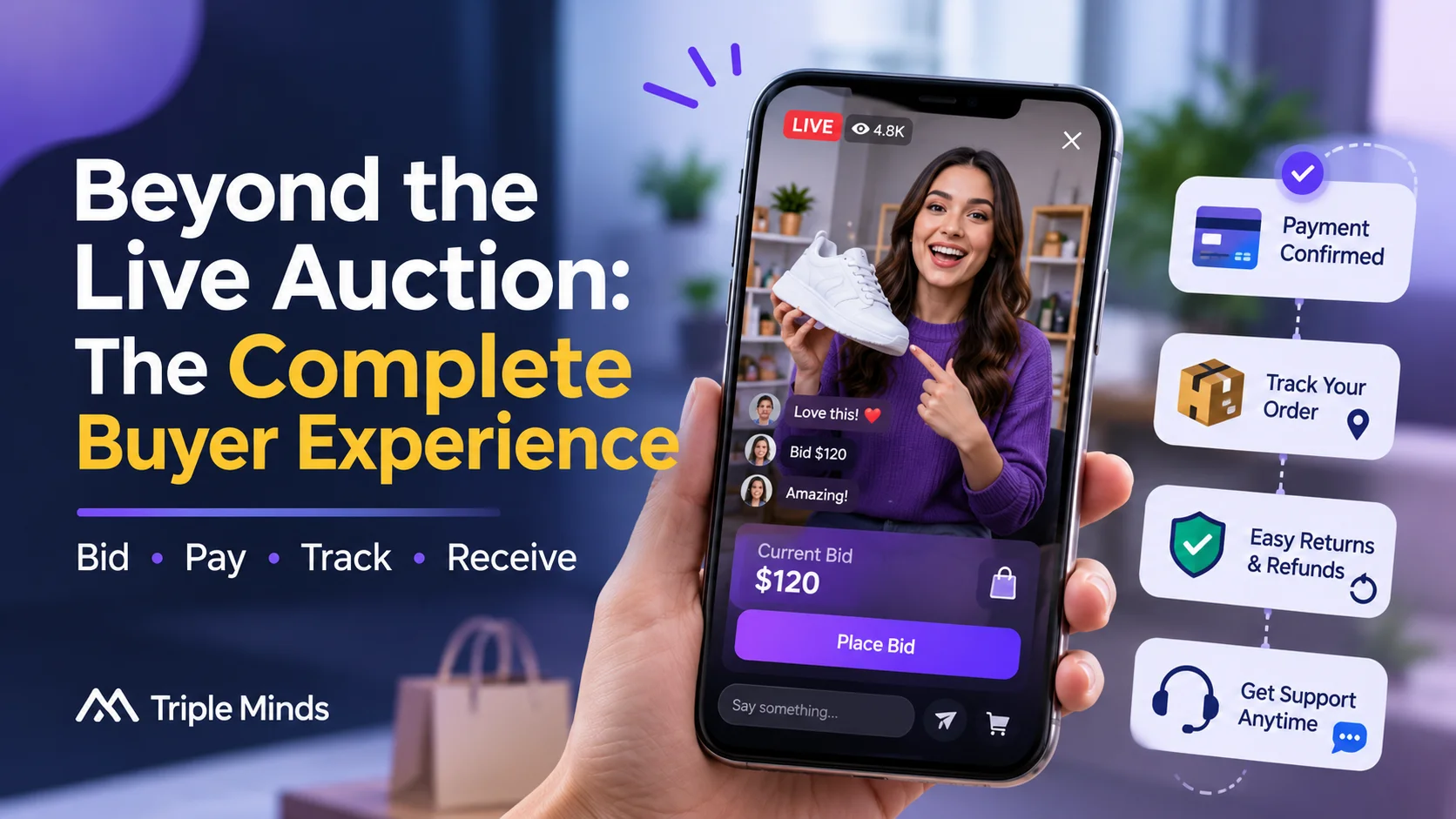
A live auction can create plenty of excitement in a short amount of time. Buyers watch products being presented, follow competing offers, place bids, and wait for the final countdown. When the timer reaches zero, the winning bidder may feel that the most important part of the experience is over.
For the marketplace, however, this is where another important stage begins.
A successful auction does not automatically result in a successful customer experience. Buyers still need payment confirmation, clear order information, shipping updates, and a reliable way to resolve problems. If these steps are confusing or poorly managed, the excitement generated during the livestream can quickly turn into frustration.
This is an important consideration for businesses exploring live commerce. The experience should not be designed only around attracting viewers and encouraging bids. It should also account for everything that happens after a transaction is completed.
1. Winning an Auction Is Only the Beginning of the Purchase Journey
The moment an auction ends, buyers expect the marketplace to provide a clear next step. They want to know whether their bid was successful, how much they need to pay, and when they can expect their purchase.
These details may appear straightforward, but they involve several connected activities behind the scenes.
For example, a buyer who wins a collectible during a live auction may need to confirm the final price, review applicable shipping charges, complete payment, and receive an order confirmation. Each step should happen without requiring unnecessary communication with the seller.
A marketplace that handles these interactions properly makes the transition from bidding to purchasing feel natural.
The challenge is that auction platforms often give considerable attention to the bidding experience while treating post-auction activities as secondary functions. In reality, both stages influence how buyers evaluate the platform.
2. Why a Whatnot Clone Needs a Well-Connected Post-Auction Experience
A Whatnot Clone should not simply reproduce the visible elements of a live auction marketplace. Its overall structure should support the full buying journey, including activities that happen after the winning bid.
This becomes particularly important when businesses plan to launch platforms with multiple sellers, different product categories, and frequent live sessions.
Imagine a buyer participating in three separate auctions during the same evening. They win two products from different sellers but lose the third. The platform should clearly distinguish between these outcomes, display the correct payment requirements, and keep each order organized.
Without proper post-auction management, buyers may encounter problems such as:
- Unclear final purchase amounts.
- Missing payment instructions.
- Confusion between multiple winning bids.
- Delayed order confirmations.
- Difficulty contacting sellers.
- Incomplete shipping information.
These issues can affect customer confidence even when the actual livestream and bidding process work perfectly.
This is why live streaming shopping app development should consider transaction management, order visibility, and customer communication as connected parts of the product rather than separate additions.
3. Payment Confirmation Should Never Leave Buyers Guessing
Payment is one of the first interactions buyers experience after winning an auction. It should be simple, transparent, and easy to understand.
A buyer needs to know exactly what they are paying for. This includes the winning bid amount, shipping charges, applicable taxes, and any other clearly disclosed fees.
A poorly designed checkout experience can create unnecessary hesitation. For instance, if a buyer sees a different amount at checkout without an explanation, they may question the accuracy of the transaction.
A reliable marketplace should provide:
- A clear breakdown of the final purchase amount.
- Multiple suitable payment options.
- Secure payment processing.
- Immediate payment status updates.
- Digital receipts and transaction records.
- Clear notifications when a payment fails.
Payment status is particularly important in live auctions. Buyers should be able to distinguish between pending, successful, and unsuccessful transactions.
If a payment fails, the platform should explain what happened and provide a reasonable way to retry the transaction.
These small details help prevent misunderstandings between buyers, sellers, and marketplace operators.
4. Order Tracking Should Continue After the Livestream Ends
Once payment is completed, buyers naturally want to know what happens next.
A confirmation message is useful, but it does not answer every question. Buyers may also want to know whether the seller has received the order, when the product will be dispatched, and whether a tracking number is available.
This is particularly relevant for marketplaces selling physical products such as collectibles, clothing, electronics, and accessories.
Consider someone purchasing a limited-edition collectible through a live auction. The product may have significant personal or monetary value to the buyer. Receiving no updates for several days can create uncertainty, even if the seller is preparing the shipment.
An effective order management system should make important information accessible without requiring buyers to contact sellers repeatedly.
Useful features include:
Order confirmation: Buyers should receive confirmation once their purchase has been successfully recorded.
Seller processing status: The platform should indicate whether an order is awaiting preparation or has been processed.
Shipping updates: Dispatch notifications and tracking details should be available when provided by the shipping service.
Delivery confirmation: Buyers should receive an update when the order is marked as delivered.
Order history: Previous purchases should remain accessible through the buyer's account.
These functions give customers greater visibility into their purchases and reduce unnecessary communication.
5. Returns and Refunds Are Part of the Marketplace Experience
Not every transaction will go exactly as expected.
A product may arrive damaged, the wrong item may be dispatched, or a delivery may never reach its intended destination. In some cases, payment problems can also create disputes.
A marketplace needs a clear process for handling these situations.
The first requirement is transparency. Buyers should understand which situations qualify for returns or refunds, what information they need to provide, and how long the resolution process may take.
For auction-based platforms, this can require additional consideration because products may be sold under different conditions.
For example, a pre-owned collectible may have a different return policy from a new electronic accessory. The platform should make relevant product and seller policies visible before the transaction takes place.
A practical dispute management process may include:
- A dedicated support or dispute submission option.
- Order-specific complaint records.
- The ability to upload supporting photographs.
- Communication between buyers, sellers, and support teams.
- Clear refund status updates.
- Defined procedures for resolving payment and delivery disputes.
The objective is not to eliminate every possible disagreement. It is to ensure that buyers have a reliable process when something goes wrong.
6. Seller Communication Should Not Disappear After the Auction
Live auctions encourage direct interaction between sellers and buyers. Questions about product condition, availability, and specifications can be answered during the broadcast.
However, communication requirements do not disappear after the transaction.
Buyers may need clarification about delivery, product handling, packaging, or order status. Sellers also need a convenient way to manage these questions without disrupting their regular business activities.
A marketplace can support this through order-linked messaging, seller notifications, and centralized communication records.
For example, instead of searching through previous livestream conversations, a seller should be able to open a specific order and respond to the buyer directly.
This arrangement also helps marketplace administrators review conversations when a transaction-related disagreement occurs.
Good communication tools are therefore useful for more than convenience. They help create accountability across the marketplace.
7. Repeat Purchases Depend on What Happens After the First Transaction
A buyer may discover a marketplace through an interesting livestream, but their decision to return often depends on the overall purchase experience.
If the first transaction is completed smoothly, they may be more willing to participate in another auction. If the process involves confusing payments, missing updates, or difficult refund procedures, they may hesitate to purchase again.
This makes post-purchase experience an important part of customer retention.
Marketplaces can encourage repeat engagement through practical features such as:
- Purchase history and saved order information.
- Notifications about sellers followed by buyers.
- Alerts for upcoming auctions.
- Recommendations based on previous interests.
- Easy access to seller profiles.
- Personalized product discovery.
However, these features should remain useful rather than overwhelming.
Sending excessive notifications or recommending unrelated products can make the experience feel intrusive. The better approach is to provide relevant updates based on genuine customer interests.
A marketplace should give buyers reasons to return without making every interaction feel like another sales opportunity.
8. What Businesses Should Consider When Planning Live Shopping App Development
Building a live commerce platform involves more than integrating video streaming and bidding functionality. Businesses also need to think about how transactions, communication, and order management will operate together.
This is where product planning becomes important.
Companies considering live streaming shopping app development should evaluate several areas before finalizing their application requirements.
Transaction architecture
The platform should maintain accurate records of bids, winning amounts, payments, and order status. These records should remain consistent across buyer, seller, and administrator dashboards.
Order management
Order processing should support multiple sellers, different delivery requirements, and clear purchase histories.
Notification systems
Important updates should reach buyers at the appropriate time, particularly after an auction, payment, or shipping status change.
Dispute management
The platform should provide structured processes for reporting transaction-related problems and tracking their resolution.
Scalability
As the number of sellers, buyers, and live sessions increases, the system should be capable of handling additional activity without compromising essential marketplace functions.
Administrative controls
Administrators need appropriate tools to monitor transactions, manage reported issues, review seller activity, and maintain marketplace policies.
Development companies such as Triple Minds work on live commerce and marketplace solutions, including Whatnot Clone development. When planning such a platform, these post-auction requirements are worth discussing alongside livestreaming, bidding, and other core functionalities.
The important point is to establish the complete transaction journey before development begins. Adding essential order management and dispute handling capabilities later can create unnecessary complexity.
9. Measuring the Experience Beyond Auction Participation
Marketplace owners often monitor metrics such as livestream views, active participants, bids placed, and completed auctions. These indicators help explain how users interact with live sessions.
However, they do not provide a complete picture of customer satisfaction.
A platform may attract hundreds of viewers and generate substantial bidding activity but still struggle with repeat purchases because of problems occurring after auctions end.
Additional performance indicators can help identify these gaps.
Some useful measurements include:
- Payment completion rate: How many winning bidders successfully complete their payments?
- Order processing time: How long does it take sellers to prepare purchased products?
- Delivery performance: How frequently are orders delivered within the expected timeframe?
- Dispute frequency: How many completed transactions result in customer complaints?
- Refund resolution time: How long does the platform take to resolve eligible refund requests?
- Repeat purchase rate: How many buyers return for another transaction?
Looking at these measurements together provides a more balanced understanding of marketplace performance.
For example, a high auction participation rate combined with a low repeat purchase rate may indicate that the problem lies somewhere beyond the livestream itself.
These insights can help businesses identify which parts of the customer journey need improvement.
Conclusion: The Real Marketplace Experience Continues After the Winning Bid
The end of a live auction is not the end of the customer journey. It is the point where the marketplace must turn buyer interest into a completed and reliable transaction.
Payment confirmation, order tracking, seller communication, returns, and dispute resolution all contribute to how customers perceive a live shopping platform.
Businesses planning to enter this space should therefore look beyond the excitement of livestreaming and real-time bidding. A marketplace needs to support buyers throughout the entire purchase process, including the moments when there is no live broadcast taking place.
Ultimately, successful live commerce depends on more than attracting people to an auction. It depends on giving them enough confidence in the platform to complete a purchase and consider coming back again.
To learn more about the live streaming app: https://tripleminds.co/white-label/live-streaming-shopping-app-development/