Sign up with Google
 Sign in with Zoho

A dog that constantly pulls on the leash can make everyday walks difficult for the entire family. Owners may struggle to maintain control, avoid distractions, or enjoy time outdoors. Dog Leash pulling training miami gives dogs an opportunity to learn calmer walking behavior while helping owners develop better communication and handling skills.
Understand the Reason Behind Leash Pulling
Dogs do not always pull for the same reason. Some are excited by new surroundings, while others become distracted by smells, people, or other animals. Some dogs have simply learned that pulling takes them where they want to go.
Before starting dog Leash pulling training miami, observe when the behavior happens. Does your dog pull immediately after leaving the house? Does it become stronger when another dog appears? Understanding the trigger helps determine what to practise.
A dog leash trainer miami can assess the dog's walking habits and recommend exercises that match its needs. This is particularly helpful when pulling is combined with lunging, fear, or difficulty responding to familiar commands.
How to Practise Loose-Leash Walking
Begin with attention
Practise getting your dog's attention in a quiet location. Reward eye contact and encourage your dog to check in with you during walks. This creates a foundation for dog Leash pulling training miami.
Reward the correct position
When your dog walks beside you with a relaxed leash, offer praise or a small treat. A dog leash trainer miami can show you how to reward good walking without making the session confusing.
Stop safely when pulling starts
Avoid dragging your dog backward. Instead, stop when the leash becomes tight and continue when your dog returns to a manageable position. Consistency is important in dog Leash pulling training miami.
Introduce distractions gradually
Practise near mild distractions before moving to busier environments. A dog leash trainer miami can help owners decide when their dogs are ready for more challenging situations.
Repeat the exercises regularly
A few minutes of focused practice can be useful. Continue the same walking rules with every family member so the dog receives consistent guidance.
Choosing the Right Training Support
A dog that pulls because of excitement may need impulse-control exercises. A dog that pulls or lunges because of fear may need more distance and a carefully managed training plan. Effective dog Leash pulling training miami considers these differences rather than applying one routine to every dog.
A professional dog leash trainer miami should explain the training process, demonstrate exercises, and show owners how to continue practising. The objective is not simply to control the dog during a lesson; it is to help the owner manage everyday walks confidently.
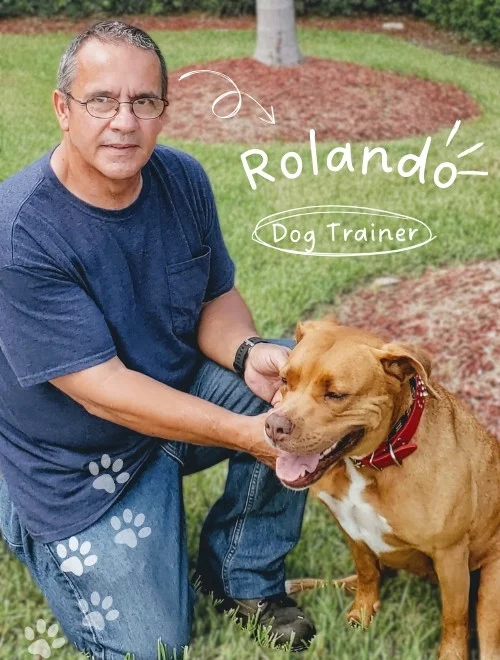
RolanDogs provides personalized training based on each dog's age, breed, and personality. Led by Rolando Rodríguez, who has more than 50 years of experience working with dogs, the business emphasizes communication and practical owner guidance. Its services include at-home and on-site training.
Frequently Asked Questions
1. What is the best age to start leash training?
Puppies can begin learning comfortable leash habits early, using short and positive sessions. Adult dogs can learn too.
2. Why does my dog pull harder when seeing other dogs?
Excitement, frustration, or fear may contribute. Increase distance and practise attention before attempting closer encounters.
3. Should I let my dog sniff during walks?
Yes. Sniffing provides mental stimulation. Teach your dog when it is appropriate to explore while maintaining a loose leash.
4. How often should I practise leash training?
Short, consistent sessions are useful. Practise regularly and adjust the difficulty to your dog's progress.
5. Can professional training help with severe pulling?
A professional can assess the underlying triggers, demonstrate suitable handling, and help owners build a structured routine.