Sign up with Google
 Sign in with Zoho

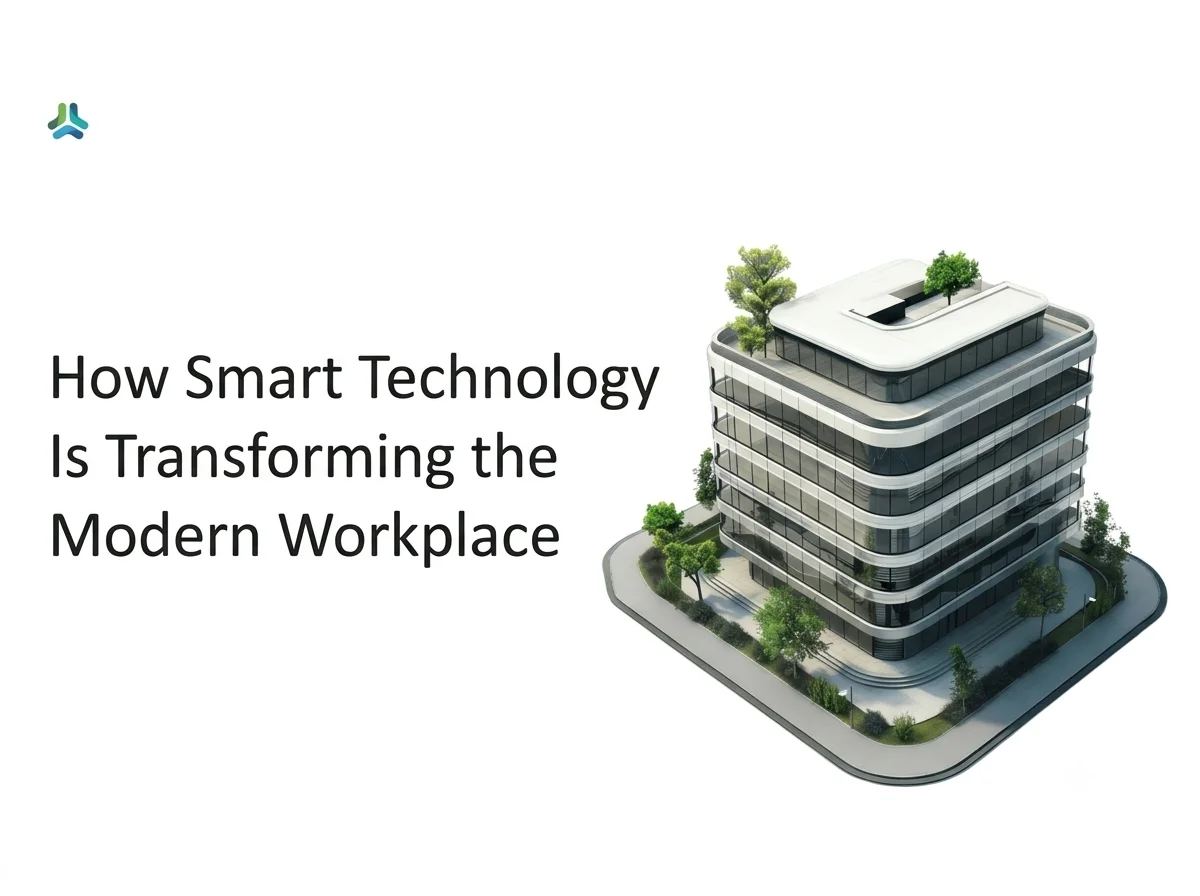
The way we work has changed more in the last few years than in the previous two decades. Hybrid schedules, rising energy bills, and employees who expect seamless digital experiences have pushed businesses to rethink their physical spaces. The office is no longer just a place with desks and meeting rooms; it is becoming a responsive environment that adapts to the people inside it. In this guide, we explore how connected technology is reshaping workplaces, the benefits it offers, and how your business can get started without disruption.
Why Traditional Offices Are Struggling to Keep Up
Most conventional offices still depend on manual processes. Lights stay on in empty rooms, air conditioners run at full power after everyone has gone home, and meeting rooms get double-booked because nobody has a clear view of availability. Facility managers spend hours handling routine tasks that technology can complete in seconds.
These inefficiencies add up. Wasted energy inflates utility bills, poor space planning leaves expensive square footage underused, and slow response to maintenance issues frustrates employees. For growing companies in cities like Delhi, where power costs and real estate prices keep climbing, the pressure to operate smarter has never been greater.
What Does a Connected Workplace Look Like?
A connected workplace uses sensors, controllers, and software to monitor and manage building functions automatically. Modern smart office solutions bring lighting, climate, security, and room management onto a single platform, so your team can control everything from one dashboard or a mobile app.
Intelligent Lighting and Climate Control
Occupancy sensors detect when people enter or leave a space and adjust lighting accordingly. Daylight sensors dim artificial lights when natural light is sufficient. Similarly, thermostats and air conditioning units can follow schedules or respond to real-time conditions, keeping employees comfortable while cutting unnecessary consumption.
Access Control and Security
Keycards, biometric readers, and mobile credentials replace traditional keys, giving you a complete record of who entered which area and when. Administrators can grant or revoke access instantly, which is especially useful for contractors, visitors, and staff who change roles. Integrated cameras and alerts add another layer of protection.
Meeting Room and Desk Management
With hybrid work becoming standard, knowing which desks and rooms are in use is essential. Booking panels outside meeting rooms display live availability, while sensors release reservations automatically when nobody shows up. The result is fewer scheduling conflicts and better use of every square foot.
Key Benefits for Businesses
Investing in workplace technology delivers measurable returns across several areas of the business.
Lower Operating Costs
An effective office automation system reduces energy waste by ensuring that lights, fans, and cooling equipment operate only when needed. Many organizations see noticeable drops in electricity bills within the first few months. Predictive maintenance alerts also help you fix small problems before they become expensive breakdowns.
Higher Employee Productivity
Comfortable temperatures, good lighting, and frictionless access to rooms and resources help people focus on their work instead of fighting their environment. Employees spend less time searching for a free meeting space or waiting for facilities to respond to a request. Over time, these small improvements create a more positive and productive culture.
Better Data and Decision-Making
Connected Smart devices generate valuable data about how your space is actually used. You can see which floors are busiest, which rooms are rarely booked, and when energy usage peaks. These insights support smarter decisions about layout, leasing, and capital investment, replacing guesswork with evidence.
How to Plan Your Implementation
A successful rollout starts with clear goals. Decide whether your priority is saving energy, improving security, enhancing employee experience, or all three. Then follow a structured approach:
- Audit your current setup. Identify existing equipment, wiring, and network capacity.
- Start with high-impact areas. Lighting, air conditioning, and access control usually offer the fastest payback.
- Choose scalable technology. Pick open, flexible platforms that let you add devices and features later.
- Work with an experienced partner. A trusted provider can design, install, and support a complete smart office automation system tailored to your premises and budget.
- Train your team. Even the best technology delivers little value if people do not know how to use it.
Common Challenges and How to Overcome Them
Cost is the concern most businesses raise first. The best answer is a phased approach: begin with a pilot area, measure the savings, and expand using the proven results. Compatibility with older infrastructure is another worry, but modern controllers and retrofit devices can connect to most existing equipment without major renovation.
Data security also deserves attention. Make sure your provider uses encrypted communication, regular software updates, and role-based access so that sensitive information stays protected. Finally, involve employees early. When people understand how the changes make their day easier, adoption becomes smooth and resistance fades quickly.
Conclusion: Build a Workplace That Works for You
The modern workplace is becoming more intelligent, efficient, and people-focused. Businesses that adopt connected technology now will enjoy lower costs, stronger security, and a better experience for their teams, while those that wait risk falling behind. Start small, set clear goals, and choose a partner who understands your needs. With the right plan, your office can become a smarter, more sustainable place to work, today and for years to come.