Sign up with Google
 Sign in with Zoho

A few summers back I was out at a buddy’s place on the lake, helping him patch up a dock board that had basically turned to mush. Classic wood dock problem. He’d redone that same section twice already. Meanwhile the neighbor two docks down had gone aluminum the year before and was just, I dunno, sitting there with a beer not fixing anything. That contrast stuck with me.
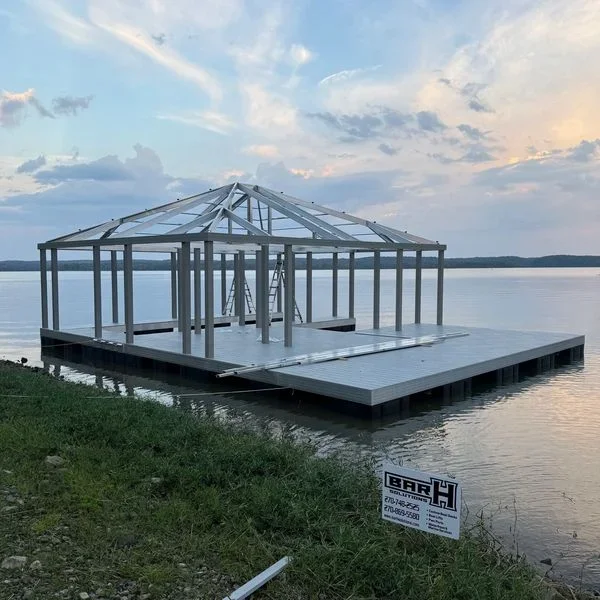
Aluminum boat docks aren’t new exactly, but the way people are actually choosing them now, over wood, over steel, that’s shifted a lot in recent years. Part of it’s just materials getting better and cheaper. Part of it’s word of mouth, guys like my buddy’s neighbor talking about how little work theirs needs. I’ve since looked into a handful of installs, a couple done by BAR H Solutions, and the reasons people switch keep lining up the same way every time.
Wood Rots. That’s Just the Truth of It
Nobody wants to hear this if they grew up on a wood dock and like the look, but wood rots, full stop. Doesn’t matter how well you seal it or how often you restain the thing, moisture wins eventually, especially right at the waterline where it never really dries out between uses. That’s always the first spot to go soft.
Steel’s got its own version of the same problem. Rust. Worse in saltwater, worse in brackish water, and once it works into the structural bolts holding everything together, you’re not looking at a quick patch job anymore. You’re looking at real money. Aluminum just sidesteps most of this. It oxidizes on the surface in a way that actually protects it rather than eating into it, which is kind of the opposite of what steel does when it rusts. Doesn’t rot at all obviously. That’s the core reason this whole shift is happening, when you boil it down.
Nobody Talks About How Light It Is
This part gets skipped over a lot in the pitch, but it’s actually a big deal. Aluminum’s light. Way lighter than wood or steel at comparable thickness, and that matters beyond just, you know, not throwing your back out carrying sections to the water.
Lighter dock means less stress on your pilings over time. Less stress on the flotation system too. It moves with the water instead of fighting it, which sounds minor but actually cuts way down on fatigue over the years, the slow kind of wear you don’t notice until suddenly your dock’s wobbly for no clear reason. And modular sections, which aluminum tends to come in, make reconfiguring stuff so much easier down the line. Want to add a slip in five years? With wood you’re basically rebuilding. With aluminum you’re bolting on a new piece.
The Real Cost Isn’t the Price Tag on Day One
People see the upfront number for aluminum boat docks and sometimes balk, I get it, it can run higher than the cheapest wood option out there. But that’s looking at the wrong number honestly. What actually matters is the ten or fifteen year total, not the sticker price at purchase.
Wood needs sealing, staining, board replacement, over and over, year after year, forever basically, as long as you own the dock. Steel needs rust treatment and eventually structural repair once corrosion really sets in. Aluminum needs, what, a hose-down now and then and a quick check on the fasteners once a year. That’s close to it. Do the math on a decade of wood upkeep and it frequently ends up costing more than the aluminum premium you paid at the start. Most skeptical buyers come around once somebody actually shows them this math instead of just quoting a number and walking off.
Quality Varies a Ton, Even Within Aluminum
Here’s where I’d push back a little on treating aluminum like it’s automatically the answer no matter who builds it. It’s not that simple. Thin gauge material, rushed welds, a flotation system that was basically eyeballed rather than calculated, all of that can turn a dock that should last two decades into one falling apart by year five.
This is exactly where who you hire matters, probably more than the material choice itself. BAR H Solutions has built a reputation around getting the gauge and weld quality right, which honestly sounds like a boring detail until you’ve watched a cheap install start failing early because somebody cut corners there. Ask straight up what gauge they’re using, whether joints are welded or just bolted, what’s backing the flotation. A company that answers clear and fast probably knows what they’re doing. One that goes vague, that’s worth sitting with before signing.
Your Water Isn’t the Same as Everyone Else’s Water
Calm lake water and a river with real tidal pull behave completely differently, and I think a lot of people assume dock design is basically one-size-fits-all. It isn’t. Tidal range changes what height and flotation setup actually works for your spot, since the water level’s moving all day, not just shifting with the seasons.
Wind matters too. A dock sitting in open water on a big lake takes way more punishment than one tucked into a sheltered cove somewhere calm. A properly planned aluminum dock accounts for all this before a single piling goes in, instead of just slapping down a standard layout and hoping it holds. Skipping this step is probably the single most common mistake I see out there, and it’s such an easy one to avoid. Just ask about it before construction starts, that’s it.
Installation Can Wreck Even the Best Materials
You could buy top shelf aluminum and still end up with a bad dock if whoever’s installing it rushes the job. Pilings have to hit proper depth for your actual soil and water conditions, not get eyeballed because the crew wants to wrap up before dark. Flotation needs to be calculated against real expected weight, boat plus people plus gear, not pulled off some generic chart.
A good installer walks the whole site first. Checks depth at several points, not just wherever’s easiest to reach from shore. Asks what you’re boating now and whether an upgrade’s coming, because that changes everything about slip sizing and flotation needs. This is where a company’s reputation actually gets made or lost, and it’s worth hunting down references from installs that have a few seasons on them already, not the ones still fresh out of the box.
Questions Worth Asking Before You Commit to Anyone
If you’re shopping around for aluminum boat docks, there’s a handful of things worth asking every installer on your list, and the answers tend to sort the serious operations from the ones just trying to close fast. What gauge are you using, and how’s it different from their cheaper tier. Welded or bolted joints, and what’s that actually mean fifteen years down the road.
Ask about flotation math specific to your boat and any upgrade plans. Ask how tide and current, if those apply to you, factor into the design. And ask for references, the older installs especially, so you can see how things actually held up rather than how good they looked on install day. A company confident in its own work, and BAR H Solutions tends to be upfront about this stuff rather than dodging, will just walk you through the specifics without making you drag it out of them.
Conclusion
Aluminum boat docks caught on because they genuinely solve problems wood and steel have had forever, not because of some clever marketing push. Less upkeep, real resistance to corrosion, a lighter structure that handles wave action without the slow fatigue older materials suffer from.
That said, not every aluminum dock is built equally, so picking the material is only step one. Ask about gauge, weld quality, how flotation gets calculated, how your specific water conditions factor into the plan. Outfits like BAR H Solutions that answer those questions directly, instead of talking around them, are usually the ones worth trusting with a structure you’ll depend on for years. Take your time on this one. Ask the annoying questions nobody wants to ask. A good dock should outlast more than just one sales pitch.