Sign up with Google
 Sign in with Zoho

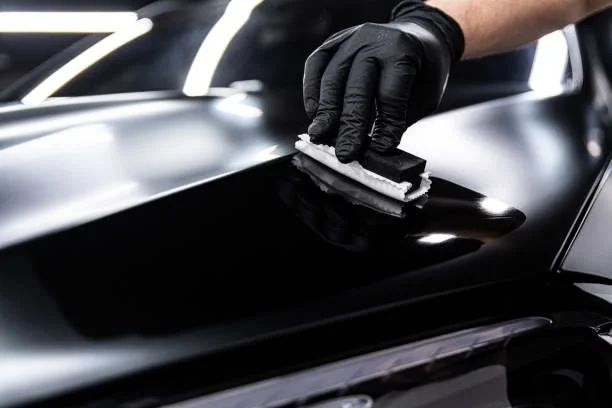
Look at a lot of cars on the road and you’ll notice the shiny silver bits. Window surrounds, grille bars, mirror caps, door handles, roof rails. That’s chrome, or chrome-effect plastic, and a growing number of owners want it gone. To dechrome car Ireland drivers usually mean covering or recolouring that trim in black, either satin or gloss, so the car looks sharper and a bit more modern.
It’s one of those upgrades that costs far less than you’d expect for how much it changes the look. A tired family saloon with blacked-out trim suddenly looks like a higher-spec model. Same car, different attitude.
And no, it doesn’t mean stripping the chrome off the metal. Mostly it’s a cover, a wrap, applied on top. We’ll get into the options.
Why Are So Many People Doing It?
Fashion, mostly. Chrome was the thing for decades. Now manufacturers themselves are pushing black packages, gloss black grilles, dark window trim, and buyers have followed. If your car came with the shiny stuff, it can start to look dated next to newer models.
There’s a practical side too. Old chrome pits, peels and clouds over time, especially after a few Irish winters of salt, rain and road grit. Instead of paying to replace tired parts, a wrap can freshen things up for a lot less.
And plenty of people simply want their car to stand out a bit. Aftermarket body kits, darker wheels, tinted lights, blacked-out trim, it all works together. If you’ve already changed other things, leftover chrome can look like it wandered in from a different car.
Wrap, Paint or Something Else?
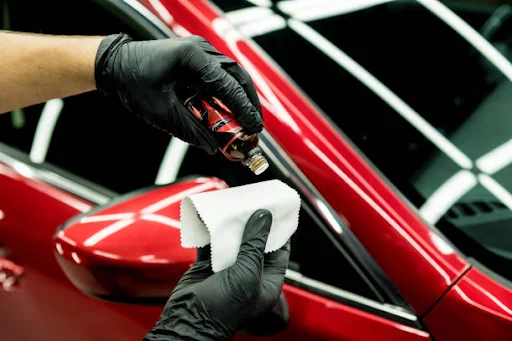
Vinyl wrap is the most popular route by a long way. A thin film gets cut to shape and applied over the trim, in satin black, gloss black, matte or even carbon-look. It’s reversible, which is a big deal. Peel it off and the original chrome is still underneath, so you’re not committing forever.
Paint is the permanent option. The trim gets prepped, primed and sprayed, and done well it can look like it came from the factory. Done badly, it chips and flakes within a season. It’s pricier and it needs a proper workshop, but some people prefer it for durability.
Then there’s plasti dip, a spray-on rubbery coating. It’s cheap and DIY friendly, but it’s the least tidy and tends to wear unevenly. Fine for a quick, low-cost experiment, not what I’d choose for a car I cared about. Replacing parts with black ones is another way, though it’s often the dearest, since manufacturers charge a lot for trim pieces.
How Much Should You Expect to Pay?
It depends on the car and how much trim there is. A basic job, say window surrounds on a smaller car, can run a couple of hundred euro. A full dechrome with grille, mirror caps, handles, badges and roof rails will cost more, sometimes quite a bit more on bigger or more complicated cars.
Most of the cost is labour. Window surrounds are fiddly, with tight curves and rubber seals to work around, so they take real time. Quality of film matters too. Cheap vinyl fades, lifts and goes patchy. Good film from a known brand costs more and lasts longer.
Be sceptical of any flat price quoted without seeing the car. Ask for a written quote that lists exactly which pieces are included. And ask what happens if a piece needs extra prep, because old, damaged chrome sometimes does. Cheap quotes tend to cut corners somewhere you won’t notice until the edges start lifting.
What Does the Process Look Like?
It starts with a proper clean. Every bit of dirt, wax and road film has to come off, otherwise the film won’t stick. A good shop degreases the trim, checks for rust or pitting and sorts out any problems first. Skip this and you’ll see bubbles in a month.
Then the film goes on. For flat pieces it’s easy. For curves and corners, the installer uses heat to stretch and shape the vinyl, then trims it with a very sharp blade. Edges get tucked and sealed so water can’t creep underneath. Window surrounds are the hardest part, since you often have to work around the rubber seals without cutting them.
A last check comes after, looking for lifted edges, creases or knife marks on the paint. A decent installer will point out anything they’re not happy with before you collect the car. A simple job might take a day. A full car with lots of trim can take a couple.
Will It Cause Problems With the NCT or Insurance?
Fair question. For the NCT, a properly applied wrap on trim usually isn’t an issue, since the test focuses on safety items like brakes, lights, steering and tyres. Peeling or loose film hanging off the car could cause a problem though, so keep it tidy. The tester always has the final say, and rules can change, so check with the NCT if you’re unsure.
Insurance is the one people forget. Modifications can affect your policy, and that includes cosmetic ones. Tell your insurer before you change anything. A wrap is reversible and often treated lightly, but not always. If you don’t declare it and make a claim, they might push back. A quick phone call costs nothing.
Also think about lights. Don’t cover reflectors, lenses or anything with a safety function. Black trim is one thing, blocking the wrong part is another.
How Do You Choose the Right Shop?
Look at actual work, not stock photos. Ask to see cars with similar trim to yours, and look closely at the edges, corners and around the window seals. Neat, tucked edges mean someone cared. Lifting corners or visible knife marks mean they didn’t.
Read reviews, but pay attention to the in-between ones. Five-star gushing and one-star rage both tell you less than a calm three-star explaining what went right and wrong. And ask around at local car meets, because word travels quickly in the scene.
Many people choose a shop that also does proper paint care, since the two go together. If you want the whole car sorted, searching for car detailing Cork or your own area and finding a team that offers both detailing and wrapping makes things simpler. You get the paint corrected and protected, and the trim done, in one visit. Ask about warranty on the film and the fitting too. People who trust their work will stand behind it.
How Do You Look After Blacked-Out Trim?
Hand wash when you can. Automatic brush washes can scratch or lift vinyl, particularly around the edges. Avoid pointing a pressure washer straight at edges either, because high pressure can get under the film and peel it.
Wait a few days after the job before washing, and follow whatever the installer tells you. The adhesive needs time to cure fully, and rushing it is a good way to ruin a fresh wrap.
Gloss black shows swirl marks and fine scratches more than satin does, so be gentle with it. A quality sealant or a wrap-safe coating can make cleaning easier and help protect against UV and road grime. Irish weather is damp, salty near the coast and tough on exposed trim, so a quick wipe-down now and then goes a long way.
What Mistakes Should You Avoid?
Cheap film is the big one. It looks fine for a month and then fades, cracks or goes patchy, and removing it later is a nightmare because the adhesive can stick stubbornly. Better to pay for decent material once than redo the job in a year.
Rushing the prep is another. Chrome has to be spotless and smooth before film goes on. If the trim is pitted or peeling underneath, the wrap will show every flaw. A good shop tells you that up front, even if it means a bigger quote.
And choosing the wrong finish for your car. Gloss black can look great, or it can look like a toy depending on the car. Satin is usually more subtle. Ask to see samples in daylight, not just under shop lights. What looks perfect on a screen can look very different in real life.
Conclusion
For a lot of owners, absolutely. To dechrome car Ireland style is one of the cheapest ways to modernise a car, and because wrap is reversible, you’re not locked in if you change your mind. Done properly, it sharpens the whole look and makes older cars feel fresher.
Do it right though. Pick decent film, find an installer with neat work to show, tell your insurer, and look after the finish afterwards. Shortcuts show up fast, usually at the edges.
Take your time, ask questions, and look at real examples before you commit. If you’re also thinking about paint correction or protection while the car’s in, ask whether the same shop can handle both. Then enjoy a car that looks a lot more expensive than it was.