Sign up with Google
 Sign in with Zoho


In the world of professional photography, the tools you choose directly influence the quality, consistency, and efficiency of your work. While advancements in technology have made many devices capable of capturing impressive images, studio photography demands a higher level of precision and control. This is where a professional DSLR camera becomes an essential asset for studio professionals.
From fashion and product photography to portraits and commercial shoots, studio environments require reliability, flexibility, and superior image quality. Unlike casual photography, studio work involves controlled lighting, detailed compositions, and often high client expectations. In such settings, having the right equipment is not just beneficial; it is necessary.
The Importance of Precision in Studio Photography
Studio photography is all about control. Every element, from lighting to background and subject positioning, is carefully managed to achieve a specific result. This level of control requires a camera system that can respond accurately to adjustments and deliver consistent performance.
A professional DSLR camera offers manual controls that allow photographers to fine-tune exposure, focus, and depth of field. This precision ensures that every shot meets the desired standards, whether it’s a high-fashion portrait or a detailed product image.
Superior Image Quality
One of the primary reasons studio professionals rely on DSLRs is the exceptional image quality they provide. High-resolution sensors capture intricate details, making them ideal for large prints, advertising campaigns, and high-end portfolios.
Key advantages include the following:
- High resolution for detailed images
- Better color accuracy
- Wide dynamic range
These features ensure that images retain clarity and depth, even when edited or enlarged. For studio work, where every detail matters, this level of quality is indispensable.
Full Manual Control
Studio environments often involve complex lighting setups, including softboxes, strobes, and reflectors. To make the most of these tools, photographers need complete control over camera settings.
With a DSLR, you can manually adjust the following:
- Shutter speed
- Aperture
- ISO sensitivity
- White balance
This level of control allows photographers to achieve consistent results across multiple shots, which is crucial for professional projects.
Lens Versatility
One of the key advantages of interchangeable lens camera systems is the ability to switch between different lenses based on shooting requirements. Different photography styles demand different optical characteristics, and having access to a wide range of lenses helps achieve greater creative control.
For example:
- Prime lenses for detailed portrait work with sharp rendering
- Macro lenses for capturing fine details in product and close-up photography
- Telephoto lenses for framing distant or tightly composed subjects
This flexibility allows photographers to adapt to various shooting conditions and creative needs, making the overall workflow more efficient and versatile, especially in controlled studio environments.
Reliable Autofocus Performance
Fujifilm X-Series cameras are designed with advanced autofocus systems that support a wide range of shooting conditions, from still subjects to fast-moving scenes. The autofocus system is built to deliver fast response, accurate subject detection, and improved tracking performance using modern phase-detection technology.
Key autofocus features include the following:
- Hybrid autofocus system combining phase detection and contrast detection
- Subject detection and continuous tracking capabilities
- Wide AF point coverage for precise focusing control
These features are particularly useful in dynamic photography situations such as sports, wildlife, and event coverage, where maintaining sharp focus on moving subjects is essential. Advanced AF-C (continuous autofocus) modes allow the camera to continuously track subjects across the frame for improved accuracy and responsiveness.
Consistent Performance in Controlled Lighting
In controlled lighting environments such as studio setups, maintaining consistent exposure and accurate color reproduction is essential for professional results. Modern imaging systems are designed to deliver stable performance under artificial lighting conditions, helping photographers achieve predictable and repeatable output.
This consistency is especially important for:
- Product photography for catalogs
- Fashion photography sessions
- Commercial and advertising campaigns
A reliable imaging system ensures that each frame maintains uniform exposure and color balance. It reduces variations between shots and minimizes the need for extensive post-processing adjustments.
Battery Performance for Extended Use
Long studio sessions require reliable power performance to support continuous shooting without frequent interruptions. Modern camera systems are designed with energy-efficient operation and optimized battery usage to handle extended professional workloads.
This is particularly useful during:
- Full-day photography sessions
- High-volume shooting environments
- Commercial production workflows
A dependable battery system helps ensure smooth operation throughout the shoot, supporting consistent productivity and reducing downtime during critical assignments.
High-Speed Continuous Shooting
In studio and commercial photography, there are situations where capturing multiple frames in quick succession is important. This is especially useful during dynamic shoots such as fashion photography or movement-based creative concepts, where timing plays a key role in achieving the desired result.
Modern imaging systems support high-speed continuous shooting modes along with efficient buffer performance. This allows photographers to capture a sequence of images smoothly without interruption.
This capability enhances flexibility during professional workflows and helps ensure that critical moments are captured with precision and consistency.
Building an Efficient Professional Workflow
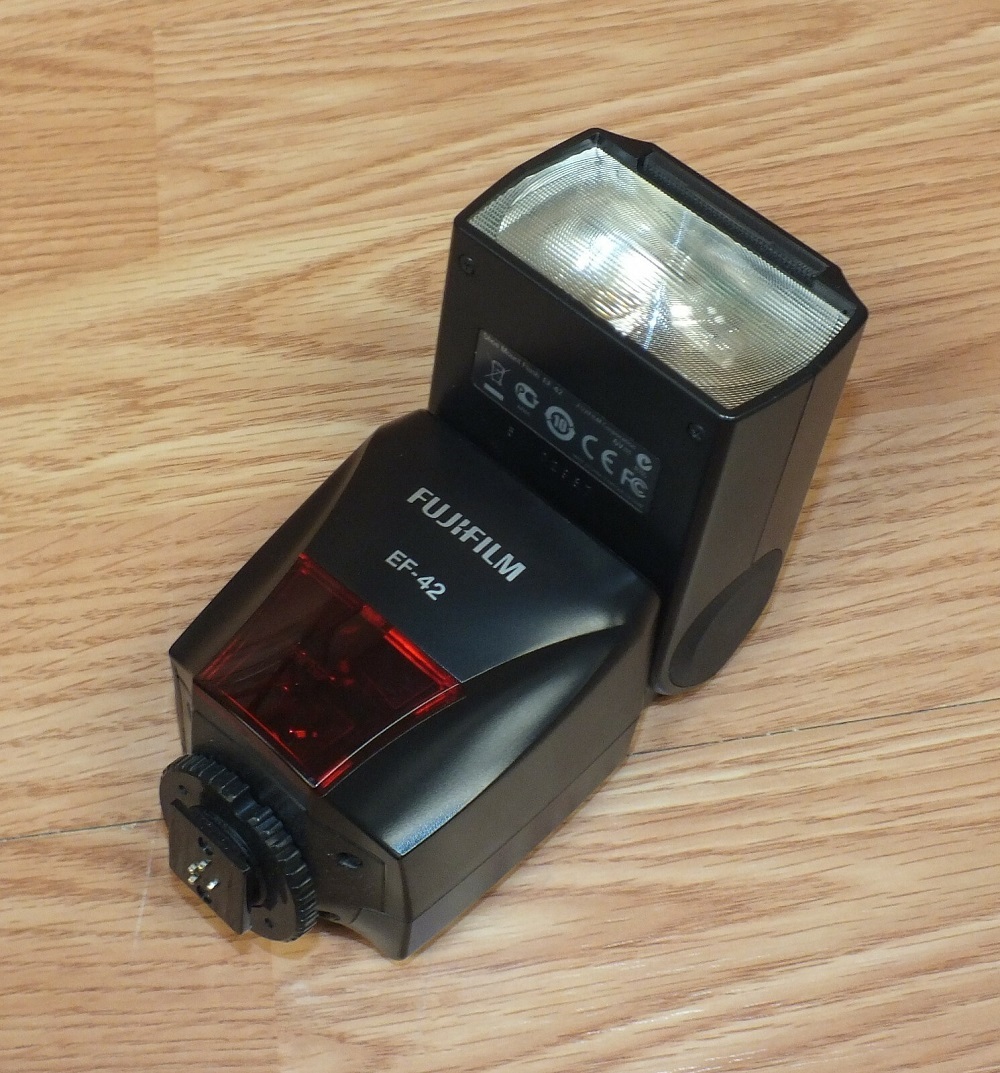
A successful studio workflow relies on the seamless integration of camera systems, lighting equipment, and supporting tools. The imaging system plays an important role in connecting with external lighting setups, computers, and accessories used during professional shoots.
By selecting the right equipment configuration, photographers can create an efficient workflow that supports productivity, consistency, and controlled output in studio environments.
Conclusion
Studio photography demands precision, consistency, and high-quality output. A professional DSLR camera meets these requirements. It offers superior image quality, full manual control, and compatibility with a wide range of equipment.
From capturing detailed product images to creating stunning portraits, DSLRs provide the tools needed to achieve professional results. As a reliable studio camera, they continue to play a vital role in the success of studio professionals.
By investing in the right equipment and understanding its capabilities, photographers can elevate their work and meet the high standards of the industry.