Sign up with Google
 Sign in with Zoho

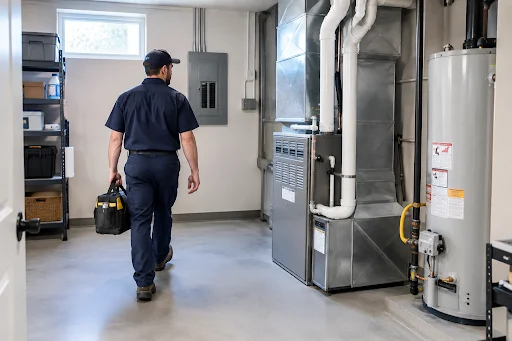
Picking who to call at that point is a terrible time to start researching. So do it now. Finding a solid hvac contractor in Colorado springs while the weather’s still decent means you get to compare, ask questions, and say no to the guy who shows up with a vague quote and a lot of confidence. Wait until January and you’ll hire whoever picks up the phone. That’s how people end up overpaying.
What Should You Look for in an HVAC Contractor?
Rank these by importance, most critical first:
- Valid license and insurance, no exceptions
- Real experience at Colorado Springs altitude and in this climate
- 24/7 emergency availability, with an actual response time
- Written estimates before any work starts
- Reviews that mention specific jobs, not just stars
- Commercial or residential experience matching your building
A good contractor is licensed, insured, locally experienced, and upfront about pricing. If they dodge the license question, you’ve learned everything you needed. Walk away.
Why Does Local Experience Matter So Much?
Altitude changes how furnaces burn gas and how air moves through a system. A contractor who’s mostly worked at sea level can miss settings that a local tech catches without thinking. Colorado Springs sits above 6,000 feet, so that experience isn’t optional.
Plus the temperature swings here are wild. Seventy degrees Tuesday, snow Thursday. Systems take a beating from that, and someone who’s seen it for years knows where they usually fail first.
The Pre-Winter Checklist Your Contractor Should Run
Here’s what a real winter prep visit covers. If a company skips half of it, ask why.
Boiler and Heat Exchanger Safety Checks. Pressure testing, combustion checks, and a hard look at the heat exchanger for cracks. A cracked one can leak carbon monoxide, which is a safety problem way before it’s a comfort problem.
Full System Inspection. Electrical connections, ignition, motors, controls, thermostat response. The boring stuff that quietly causes most winter breakdowns.
Ductwork and Zoning Inspection. Leaky or blocked ducts mean one section freezes while another’s fine. Bigger buildings with multiple zones feel this the most.
Rooftop Unit (RTU) Winterization. RTUs sit out in the weather all year. Insulation, drainage, dampers, and controls need checking before they freeze up or stick.
Backup/Redundancy Planning. If you run a business that can’t go cold, a restaurant, an office, a clinic, ask what happens when the main system dies. Have that plan before it does.
Filter Replacement Across All Units. Every unit, not just the one near the front. One clogged filter makes the whole system work harder.
What Questions Should You Ask Before Hiring?
Ask about licensing, insurance, emergency response time, and whether they give written estimates. Then ask how they’d handle your specific building. Their answer tells you whether they know what they’re doing or are reading from a script.
Also ask who actually shows up. Some companies send a different tech every time, and nobody ever learns your system. Consistency matters more than people think.
Residential vs Commercial: Pick Someone Who Does Yours
A house and a 10,000 square foot office aren’t the same job. Commercial work means bigger equipment, rooftop units, boilers, and tighter code requirements. “We do everything” sometimes just means they’re average at most of it, so ask for examples.
Homeowners should ask the opposite question. Does this company mostly do commercial and treat houses as an afterthought? Fit matters both ways.
Don’t Skip Maintenance When You Compare Contractors
Ask what furnace maintenance Colorado springs service actually includes with each company. Some call a quick filter swap a tune-up. A proper visit covers ignition, heat exchanger, airflow, and safety checks, and takes a real chunk of time.
Annual plans are worth a look too. Priority scheduling during a cold snap is genuinely valuable, because everybody’s calling at once and the people on a maintenance plan get seen first.
Red Flags That Should Make You Hang Up
A lowball phone quote with no inspection. Pressure to decide today. No written estimate. A “new system needed” verdict after five minutes. Any of these, get a second opinion. Honest contractors don’t mind you checking around.
FAQ: Choosing an HVAC Contractor in Colorado Springs
Q: What hvac services colorado springs homeowners need before winter?
A furnace inspection, filter replacement, thermostat testing, and a carbon monoxide check are the basics. Businesses should add rooftop unit and boiler checks, plus an emergency service plan.
Q: How do I find a reliable hvac contractor in colorado springs, co?
Check licensing and insurance first, read reviews that describe real jobs, and get written estimates from at least two companies. Local altitude experience should be a requirement, not a bonus.
Q: Do furnance vents commercial residential building setups need different care?
Yes. Commercial vent systems are larger, with more zones and more filters, so blockages cause bigger problems. Residential vents are simpler, but still need clear airflow and regular cleaning each season.
Q: How are hvac companies in colorado different when it comes to emergency calls?
Some offer true 24/7 service, others just take messages overnight. Ask for their actual response time before you need it, not while your heat’s out.
Wrapping It Up
Choosing an HVAC contractor isn’t complicated, it’s just easy to put off. Check the license, ask about local experience, make them walk you through the winter checklist, and don’t ignore furnace maintenance colorado springs homes and businesses both need before the first hard freeze.
HVAC SOLUTIONS handles scheduled maintenance and emergency calls for homeowners and commercial customers across the area. If you want your system checked before winter decides for you, call +1 (719) 548-8880 and we’ll get you on the schedule.