Sign up with Google
 Sign in with Zoho

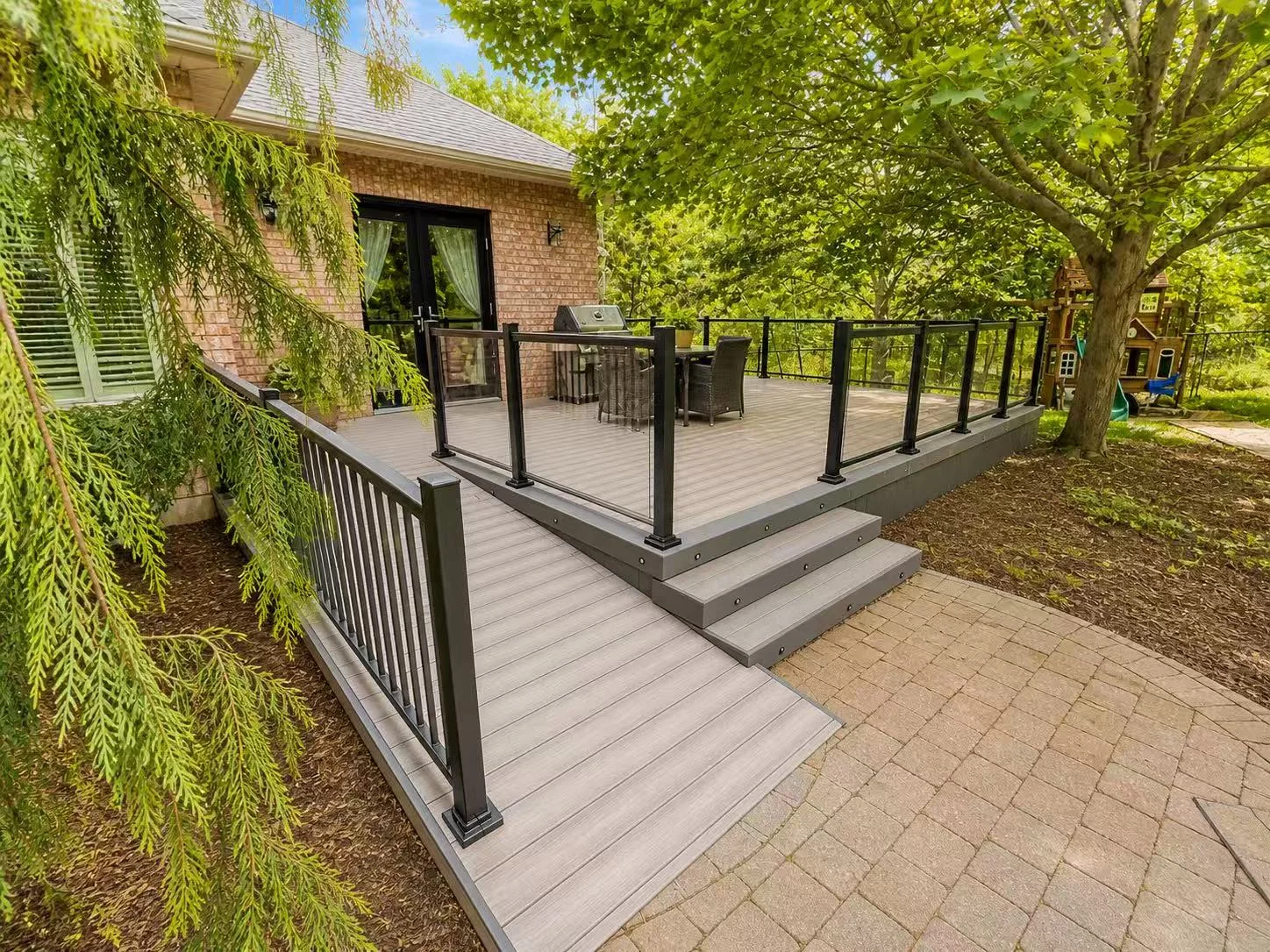
It is easy to plan a backyard around how you want it to look in photos. The harder question is whether you will actually use it once the work is finished.
A beautiful patio in the wrong part of the yard can sit empty. An oversized dining area may sound useful until it takes up most of the available space. And the outdoor sofa that looked perfect in the showroom becomes less appealing when there is nowhere convenient to store the cushions every time rain is expected.
Good outdoor spaces usually work because someone thought about the boring details first.
Start With What You Actually Do Outside
Before choosing materials or furniture, think about what normally brings you into the backyard.
Maybe it is dinner outside a few nights a week. Maybe the kids use the yard more than the adults do. Some people mainly want a quiet place for coffee, while others regularly have friends over.
Those situations call for very different layouts.
A household that entertains often might need an open dining area close to the kitchen. A family with young children may care more about clear sightlines and leaving enough open space for play. If the main goal is reading or relaxing, a smaller seating area in a quieter corner may be more useful than building a large entertainment zone.
There is no reason every backyard needs to do everything.
Watch How People Move Through the Yard
One of the simplest ways to improve an outdoor layout is to notice where people already walk.
Which door gets used most often? Where is the barbecue? Is there a path to the garage or side gate? Where do people naturally cross the yard?
Those routes matter.
Placing a dining table directly in a high-traffic area can become annoying surprisingly quickly. The same goes for oversized planters, storage boxes, or furniture that forces people to constantly walk around them.
This is something that is much easier to fix on paper than after everything has been installed.
Small Backyards Need Restraint
With smaller outdoor spaces, the temptation is often to squeeze in as many features as possible.
That usually has the opposite effect.
A compact yard can feel more comfortable when there is one strong seating area, some open space, and enough room to move around naturally. Built-in benches, narrower tables, wall-mounted storage, or furniture that serves more than one purpose can help.
Larger yards have a different problem. Without some kind of structure, they can feel disconnected. Creating separate zones for cooking, eating, relaxing, or gardening can make a bigger space feel more intentional.
Either way, scale matters more than the number of features.
Pay Attention to the Sun Before You Build Anything
This sounds obvious, but it is one of those things people sometimes notice too late.
A spot that feels ideal at 10 a.m. may be sitting in full sun by late afternoon. The opposite can happen too. An area that feels shaded during spring may behave differently once summer arrives.
Spend a little time watching the yard at different times of day.
If you are planning a dining area, think about when you are most likely to use it. If the space is mainly for evening meals, afternoon sun exposure may matter more than morning light.
Shade can always be added later with umbrellas, pergolas, screens, or other structures, but knowing the conditions beforehand gives you more options.
Think About Privacy Without Closing Everything In
In many established neighbourhoods, backyards sit fairly close together.
That does not mean the answer is to build a solid wall around the entire outdoor area.
Privacy screens can work well around a seating zone without making the rest of the yard feel boxed in. Furniture placement can also help. Sometimes turning a seating arrangement slightly, rather than facing directly toward a neighbouring property, makes the space feel noticeably more private.
Landscaping can play a role too, although it is worth remembering that plants change through the seasons and take time to grow.
Choose Materials Based on the Maintenance You Will Actually Do
Almost every outdoor material looks good when it is new.
The better question is how it will look after a few seasons and how much work you are willing to put into maintaining it.
Some homeowners do not mind regular cleaning, staining, or seasonal upkeep. Others want something that needs relatively little attention beyond basic cleaning.
Neither approach is wrong.
The mistake is choosing something based purely on appearance and only later discovering that the maintenance routine does not fit your lifestyle.
This is especially worth considering with larger outdoor structures. Homeowners looking into professional deck building in Markham may want to compare layout and material options based not only on appearance, but also on how the finished space will be used and maintained over time.
Do Not Forget About Storage
Outdoor storage is rarely the exciting part of a backyard project, but it becomes important very quickly.
Where will you put seat cushions before a storm? What happens to outdoor toys, gardening tools, barbecue accessories, or seasonal décor?
If the answer is “probably the garage,” make sure that is realistic.
A storage bench, small shed, covered area, or dedicated section near the house can keep everyday outdoor items from ending up scattered around the yard.
It also makes it easier to actually use the space. People are less likely to set up an outdoor seating area if doing so requires dragging everything through the house each time.
Leave Some Space Unfinished
Not every part of the yard needs a permanent purpose.
Leaving a little flexibility can be useful, especially if your household may change over the next few years.
An open area might currently be where children play. Later, it could become a garden, another seating area, or simply remain open lawn.
The same applies to furniture. Movable chairs and tables can sometimes be more practical than committing too early to a fixed layout.
Backyards tend to evolve. Designing them with that in mind can save money and frustration later.
Look at the Backyard From Inside the House
One useful test is to stand inside the rooms that overlook the yard.
What do you see?
A backyard is part of the view from the house even when nobody is outside. The position of a deck, seating area, walkway, railing, or storage structure can affect how the property feels from indoors.
This does not mean everything has to be decorative. It simply means practical elements should be placed thoughtfully when possible.
A clean sightline from a kitchen or living room can make the indoor and outdoor areas feel more connected.
Build Around Everyday Use
The best outdoor spaces are usually not the ones with the most features.
They are the ones that make normal life easier.
There is enough room to move. The seating is where people actually want to sit. The materials suit the amount of maintenance the household is willing to do. Storage has been considered. Shade and privacy make sense for the property.
That kind of planning may not be as exciting as choosing furniture or finishes, but it tends to make the biggest difference once the space is being used regularly.