Sign up with Google
 Sign in with Zoho
As modern homes become increasingly dependent on electricity, many homeowners are discovering that their existing electrical systems may no longer meet their power demands. Large homes, electric vehicles, home offices, smart appliances, pools, and HVAC systems all place significant loads on an electrical service. When a standard 100-amp or 200-amp service is no longer sufficient, upgrading to a higher-capacity system may become necessary.
Understanding the 400 amp electrical panel cost is an important step before planning a major electrical upgrade. While the investment can be substantial, a 400-amp electrical service provides greater capacity, improved safety, and room for future expansion. The total cost varies depending on factors such as the home's existing electrical system, utility requirements, labor, permits, and whether additional wiring or service upgrades are needed. Industry estimates suggest that installing a 400-amp panel typically ranges from several thousand dollars to well over $10,000, depending on project complexity.
What Is a 400-Amp Electrical Panel?
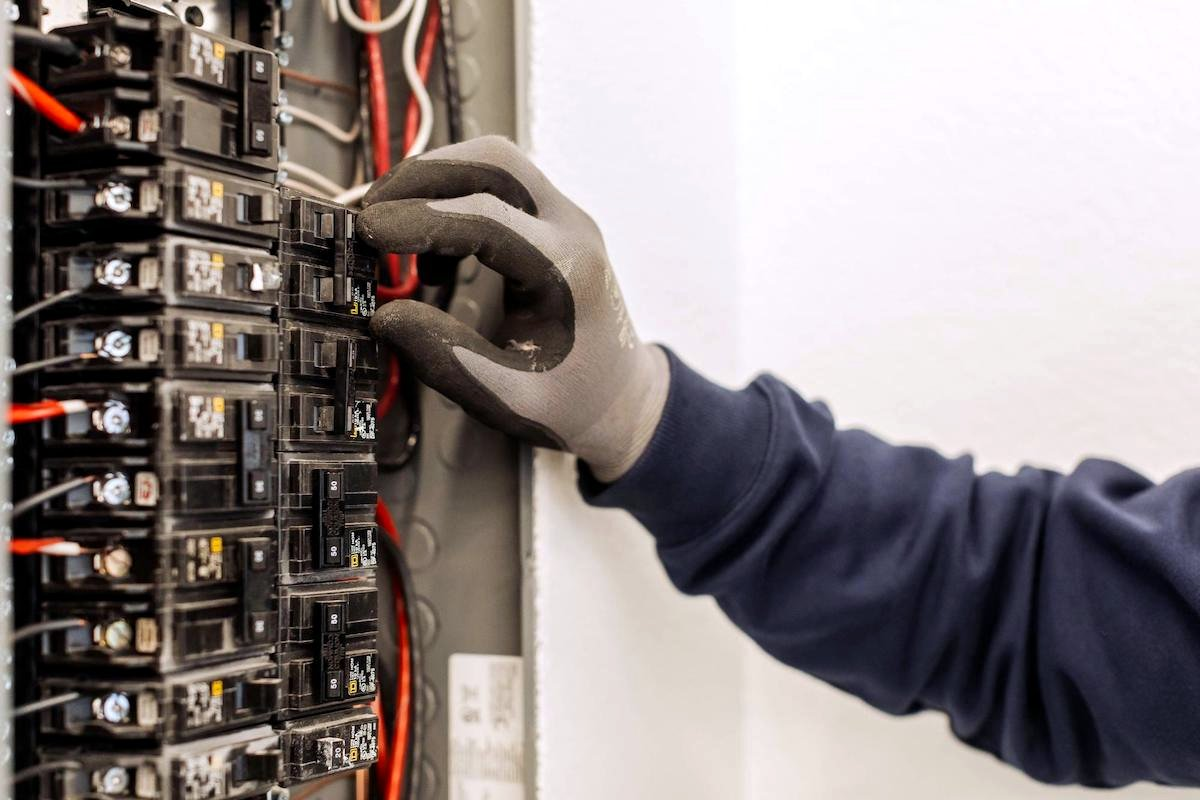
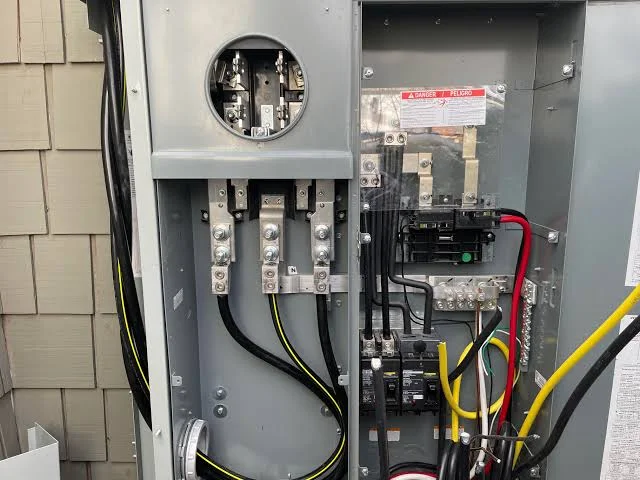
A 400-amp electrical panel is designed to distribute significantly more electrical power than standard residential panels. It is commonly installed in large homes or properties with multiple high-demand electrical systems operating simultaneously.
Typical situations where a 400-amp service may be appropriate include:
- Large custom-built homes
- Homes with multiple HVAC systems
- Electric vehicle charging
- Swimming pools and spas
- Workshops with heavy equipment
- Guest houses or accessory dwelling units
- Extensive smart home technology
A licensed electrician typically performs a load calculation to determine whether upgrading to a 400-amp service is necessary.
What Affects the 400 Amp Electrical Panel Cost?
Several factors influence the overall 400 amp electrical panel cost.
Existing Electrical Service
Homes upgrading from older 100-amp or 200-amp systems often require more extensive modifications than newer properties.
Utility Company Requirements
Some upgrades require utility companies to install new transformers, service lines, or upgraded meter equipment before the new panel can be connected.
Wiring Upgrades
Older wiring may not be compatible with higher electrical capacity, requiring replacement of service entrance cables or other components.
Permit and Inspection Fees
Electrical panel upgrades generally require permits and inspections to ensure compliance with local electrical codes.
Labor Costs
Labor often represents a significant portion of the total project cost because panel upgrades involve complex electrical work that must be completed by licensed professionals.
Signs You May Need a 400-Amp Service
Not every home requires a 400-amp panel. However, certain situations may indicate that additional electrical capacity would be beneficial.
Common signs include:
- Frequent breaker trips
- Plans to add multiple high-powered appliances
- Home additions or major renovations
- Installation of electric heating systems
- Multiple electric vehicle chargers
- Insufficient breaker space
- Repeated electrical overloads
A professional electrical assessment can determine whether a higher-capacity panel is appropriate.
Benefits of Upgrading
Greater Electrical Capacity
A larger panel provides sufficient power for modern electrical demands without constantly overloading circuits.
Improved Safety
Properly sized electrical systems help reduce the risk of overloaded circuits and electrical hazards.
Future Expansion
A 400-amp service provides additional capacity for future home improvements, reducing the likelihood of needing another major upgrade later.
Increased Property Appeal
Homes equipped to support modern electrical demands may be more attractive to future buyers, particularly those planning to install advanced home technologies.
Additional Costs to Consider
When estimating the 400 amp electrical panel cost, homeowners should also account for related expenses.
Potential additional costs include:
- Utility service upgrades
- New meter installation
- Grounding improvements
- Electrical rewiring
- Drywall repairs
- Permit fees
- Final inspections
Every project is unique, so obtaining multiple estimates from licensed electricians is recommended.
Tips Before Planning an Upgrade
Proper planning can help homeowners avoid unexpected expenses.
Consider these recommendations:
- Schedule a professional electrical load calculation.
- Obtain multiple written estimates.
- Verify contractor licensing and insurance.
- Ask about permit requirements.
- Discuss future electrical needs before installation.
- Confirm warranty coverage for equipment and labor.
These steps help ensure the upgrade is both safe and cost-effective.
Is a 400-Amp Panel Necessary for Every Home?
For many households, a 200-amp electrical service remains more than adequate. However, larger homes with increasing electrical demands may benefit from additional capacity. Rather than upgrading solely based on home size, electricians evaluate the total anticipated electrical load to determine the most appropriate service level. This ensures homeowners invest only in the capacity they actually need while maintaining compliance with local electrical standards.
Conclusion
Upgrading to a higher-capacity electrical system is a significant investment that should be carefully planned based on current and future power requirements. Understanding the 400 amp electrical panel cost allows homeowners to budget effectively while ensuring their electrical system can safely support modern appliances, technology, and home improvements. Homeowners planning future upgrades such as EV charger installation should also consider whether additional electrical capacity will support their long-term energy needs while minimizing the need for further system modifications. As electrical demands continue to grow, larger service panels provide greater flexibility and long-term reliability.