Sign up with Google
 Sign in with Zoho

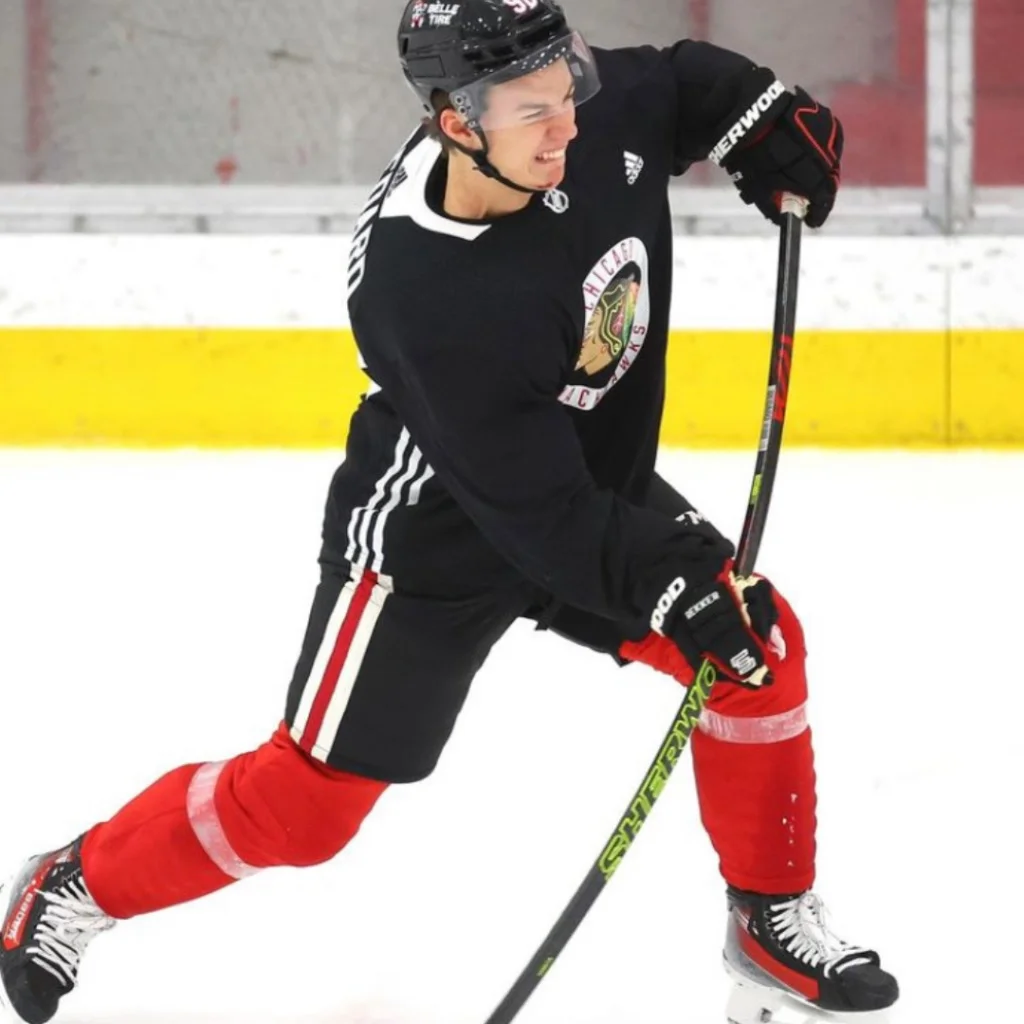
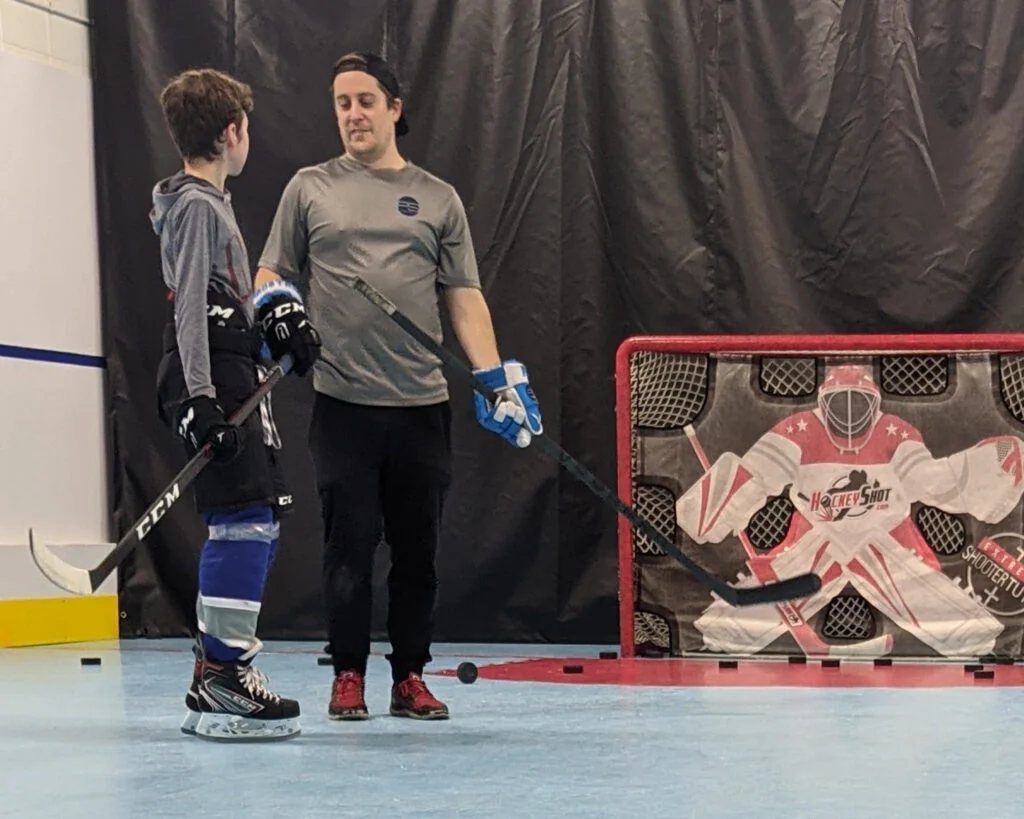
A strong hockey shot is not developed through repetition alone. Players also need to understand body positioning, puck placement, weight transfer, accuracy, and follow-through. The Tim Turk Shooting program is a hockey shooting-focused training approach associated with developing better shooting mechanics and helping players practice different types of shots in a structured way.
This guide explains the fundamentals beginners should understand, including the benefits of focused shooting practice, common mistakes, practical tips, and best practices for building more consistent shooting skills.
What Is a Tim Turk Shooting Program?
A Tim Turk Shooting program is a hockey skill-development approach centered on shooting and scoring mechanics. Its instruction emphasizes proper technique, puck preparation and control, shooting mechanics, passing, and game-related decision-making. The training system is designed to help players understand how to create a quicker, more controlled, and more accurate release rather than simply taking a large number of shots without feedback.
For beginners, the main lesson is simple: good shooting starts with efficient movement and repeatable fundamentals. A player may eventually practice wrist shots, snap shots, slap shots, shooting in stride, one-timers, shots off passes, and other game situations, but the foundation should come first.
Understanding the Fundamentals of Hockey Shooting
1. Preparation
Preparation is what happens before the puck is released. The player must control the puck and move it into a position that allows the shot to happen efficiently.
Poor preparation can create unnecessary movements and make the release easier for a goalie or defender to read.
A beginner should focus on:
- Keeping the puck under control.
- Moving the puck efficiently into a shooting position.
- Maintaining a balanced body position.
- Keeping the head up when possible.
- Preparing to shoot without excessive motion.
2. Loading and Power Generation
A common beginner mistake is assuming that a bigger movement always produces a harder shot. Efficient shooting often depends more on timing, body mechanics, and coordinated movement.
The Tim Turk hockey training approach emphasizes technique-driven shooting and progressive skill development. Players learn how body positioning, puck placement, and movement can influence power and accuracy.
3. Release
The release is the moment when the puck leaves the stick. A useful release should be:
- Controlled.
- Quick.
- Repeatable.
- Appropriate for the game situation.
Players should not focus only on maximum power. In many hockey situations, a quick and accurate shot can be more useful than a powerful shot that takes too long to prepare.
4. Follow-Through and Recovery
After shooting, players should be ready to react.
A game does not stop after the puck leaves the stick. A rebound, blocked shot, or loose puck may create another opportunity. Developing good balance after the release can help players prepare for the next play.
Benefits of Structured Shooting Practice
Focused shooting practice can offer several benefits for beginners.
Improved Understanding of Mechanics
Instead of simply counting shots, players can learn why a shot succeeds or fails. Breaking the skill into preparation, body positioning, loading, release, and recovery makes practice more purposeful.
Better Shot Variety
Hockey players encounter different shooting opportunities. Training may include quick-release shots, shooting in stride, shots off passes, one-timers, and shooting from different angles. The Tim Turk system and related instructional material cover multiple shooting and puck-skill situations.
Increased Consistency
Consistency comes from repeating sound mechanics. A player does not need every shot to be identical, but the underlying fundamentals should remain reliable.
Greater Game Awareness
Shooting is also a decision-making skill. Players need to recognize:
- When to shoot.
- When to pass.
- Where the goalie is positioned.
- Whether traffic is blocking the lane.
- How quickly the puck must be released.
Tim Turk Hockey describes its development approach as combining puck skills with game knowledge and confidence.
A Comparison: Random Shooting vs. Structured Practice
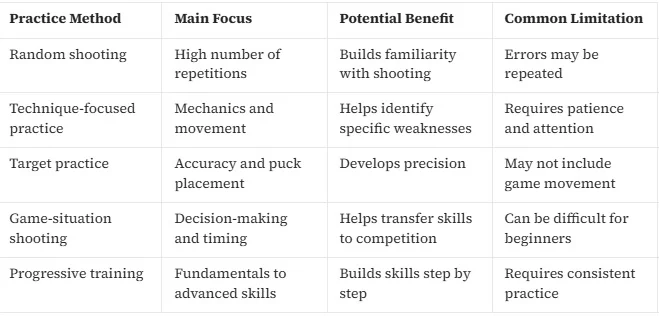
The most effective approach for many developing players is to combine these methods rather than relying on only one.
Common Hockey Shooting Mistakes
Trying to Shoot Hard Every Time
Maximum power is not always the goal. Beginners often lose accuracy and control when they attempt to shoot as hard as possible on every repetition.
Better approach: Start with clean mechanics and gradually add speed and power.
Excessive Puck Movement
Moving the puck too far before shooting can slow the release.
Better approach: Practice bringing the puck into a prepared shooting position efficiently.
Ignoring Body Balance
A player who is falling forward, leaning excessively, or losing posture may struggle to produce a consistent shot.
Better approach: Develop a stable athletic position before adding more complex movements.
Looking Only at the Puck
Watching the puck constantly can make it harder to recognize teammates, defenders, and open shooting areas.
Better approach: Begin by using controlled repetitions, then gradually practice lifting the eyes before and during the shot.
Practicing Only One Type of Shot
A wrist shot may be useful, but hockey presents many different scoring opportunities.
Better approach: Master one fundamental movement first and then introduce new shot types and situations.
Expert Tips for Beginners
Start Slowly
Speed can hide technical problems. Begin with controlled repetitions and increase the pace when the movement becomes more consistent.
Use Targets
Do not shoot only toward an empty net. Use small, specific targets to give every repetition a purpose.
For example:
- Low corner.
- High corner.
- Far side.
- Near side.
- A target around an obstacle.
Practice From Different Positions
Once basic mechanics are comfortable, try shooting:
- While stationary.
- After skating.
- In stride.
- After receiving a pass.
- From different angles.
This helps connect practice to actual game situations.
Record Your Technique
Video can help players notice details that are difficult to feel during practice.
Compare recordings over time and focus on one or two adjustments rather than attempting to change everything at once. Video analysis is also one of the instructional methods used within Tim Turk Hockey's training services.
Prioritize Quality Repetitions
Fifty focused shots may provide more value than hundreds of rushed repetitions.
A simple practice structure could be:
- 10 controlled shots focusing on technique.
- 10 shots focused on accuracy.
- 10 quick-release repetitions.
- 10 shots after movement or a pass.
- Review what changed and repeat the weakest area.
Best Practices for Developing a Better Shot
A successful Tim Turk Shooting program or any structured shooting routine should be viewed as a process rather than a one-day solution.
Follow these best practices:
- Build mechanics before emphasizing power.
- Practice consistently.
- Focus on one improvement at a time.
- Use targets to measure accuracy.
- Include both stationary and moving shots.
- Practice different shot types gradually.
- Add game-like pressure as skills improve.
- Use feedback from qualified coaches when available.
- Review progress with video or measurable goals.
- Allow time for skills to become automatic.
The official Tim Turk Hockey resources describe a progressive, technique-driven approach covering shooting, passing, puck control, and related game skills for players at different levels
People Also Ask
What does the Tim Turk Shooting program teach?
It focuses on hockey shooting and scoring concepts, including shooting mechanics, puck preparation and control, different types of releases, passing, and game-related shooting situations.
Is structured shooting training suitable for beginners?
Yes. Beginners can benefit by starting with basic body positioning, puck control, and simple shooting mechanics before progressing to more advanced shots and game situations.
How often should a hockey player practice shooting?
The ideal frequency depends on age, experience, schedule, and recovery needs. Short, consistent practice sessions with clear goals are generally more useful than occasional sessions with excessive repetition.
How can I improve shot accuracy?
Use small targets, slow down when learning a new movement, maintain balance, and evaluate whether the puck is consistently contacting the desired area of the stick blade.
Does a harder shot always mean a better shot?
No. A successful hockey shot also depends on release speed, accuracy, timing, deception, and the game situation.
FAQs About Hockey Shooting Development
1. What is the most important skill for a beginner hockey shooter?
The foundation is repeatable technique. Good puck preparation, body balance, and a controlled release should come before advanced shot variations.
2. Should beginners learn a slap shot first?
Usually, beginners benefit from learning simpler shooting fundamentals first. Wrist and quick-release mechanics can help players understand puck control and release before moving to more complex skills.
3. Can off-ice practice improve hockey shooting?
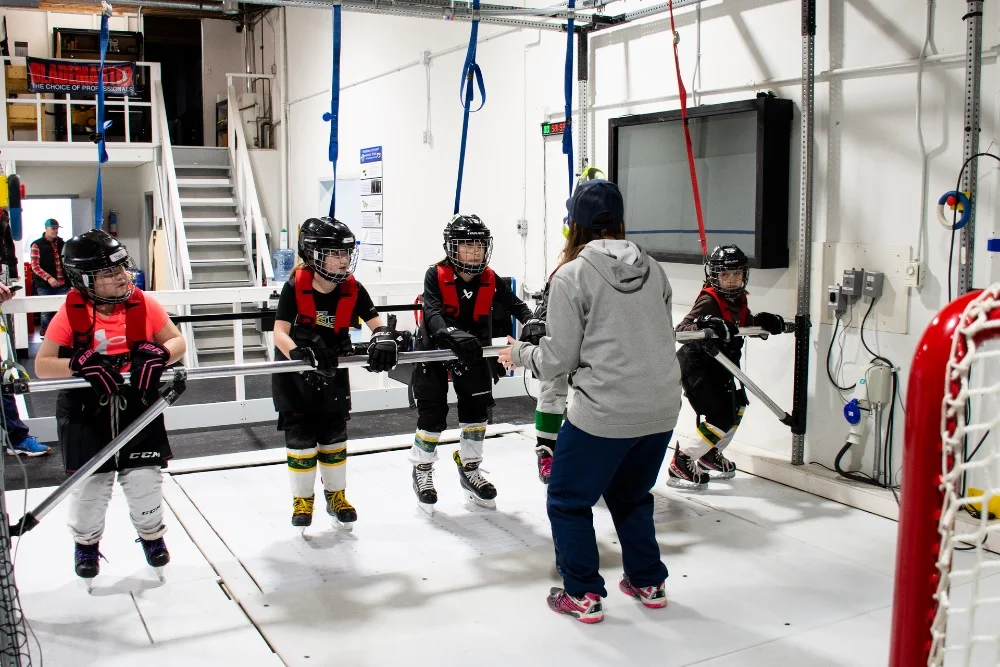
Yes. Off-ice shooting can help players practice puck handling, hand movement, release mechanics, and accuracy, provided the practice environment and equipment are appropriate and safe.
4. How many shots should I take during practice?
There is no universal number. Focus on purposeful repetitions. Track whether the shots are improving accuracy, consistency, speed of release, or another specific skill.
5. Why is my shot powerful but inaccurate?
Possible causes include inconsistent puck placement, poor balance, rushing the release, or changing body mechanics from one repetition to another. Slow the movement down and identify one issue at a time.
6. How long does it take to improve a hockey shot?
Improvement varies between players. Consistent practice, useful feedback, and a progressive training routine are more important than expecting immediate results.
7. Should shooting practice include game situations?
Yes. Once a player has developed basic mechanics, adding movement, passes, angles, obstacles, and decision-making can help transfer shooting skills into real hockey situation
Developing a better hockey shot requires more than repeatedly firing pucks at a net. A structured approach helps players understand preparation, body positioning, loading, release, accuracy, timing, and decision-making.
For beginners, the key is to build reliable fundamentals first. From there, players can gradually add different shot types, movement patterns, passing situations, and game-like challenges. The Tim Turk Shooting program reflects this type of technique-driven and progressive approach to hockey shooting and scoring development.
Pro Stride Hockey