Sign up with Google
 Sign in with Zoho

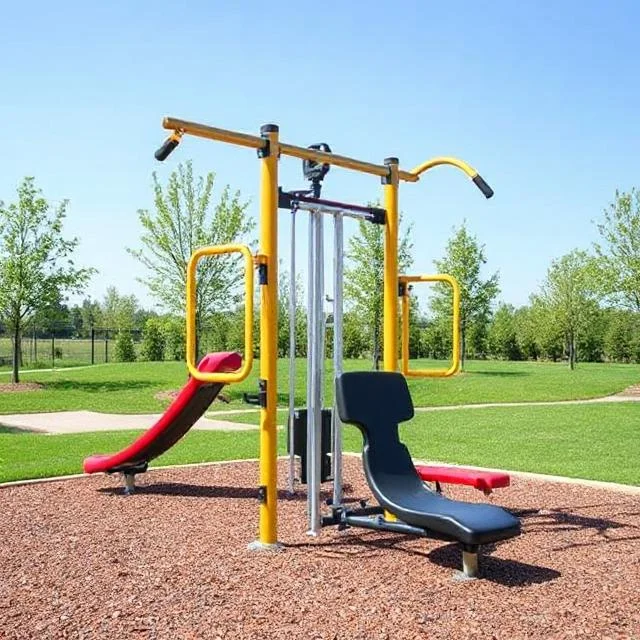
Walk past almost any school at break time, and you'll see the same thing: a handful of kids kicking a ball, a few huddled on a bench, and a lot of unused tarmac. Meanwhile, teachers are being asked to get pupils moving more, and sports budgets rarely stretch as far as anyone would like. That gap is exactly where outdoor gym equipment for schools has started to make a real difference.
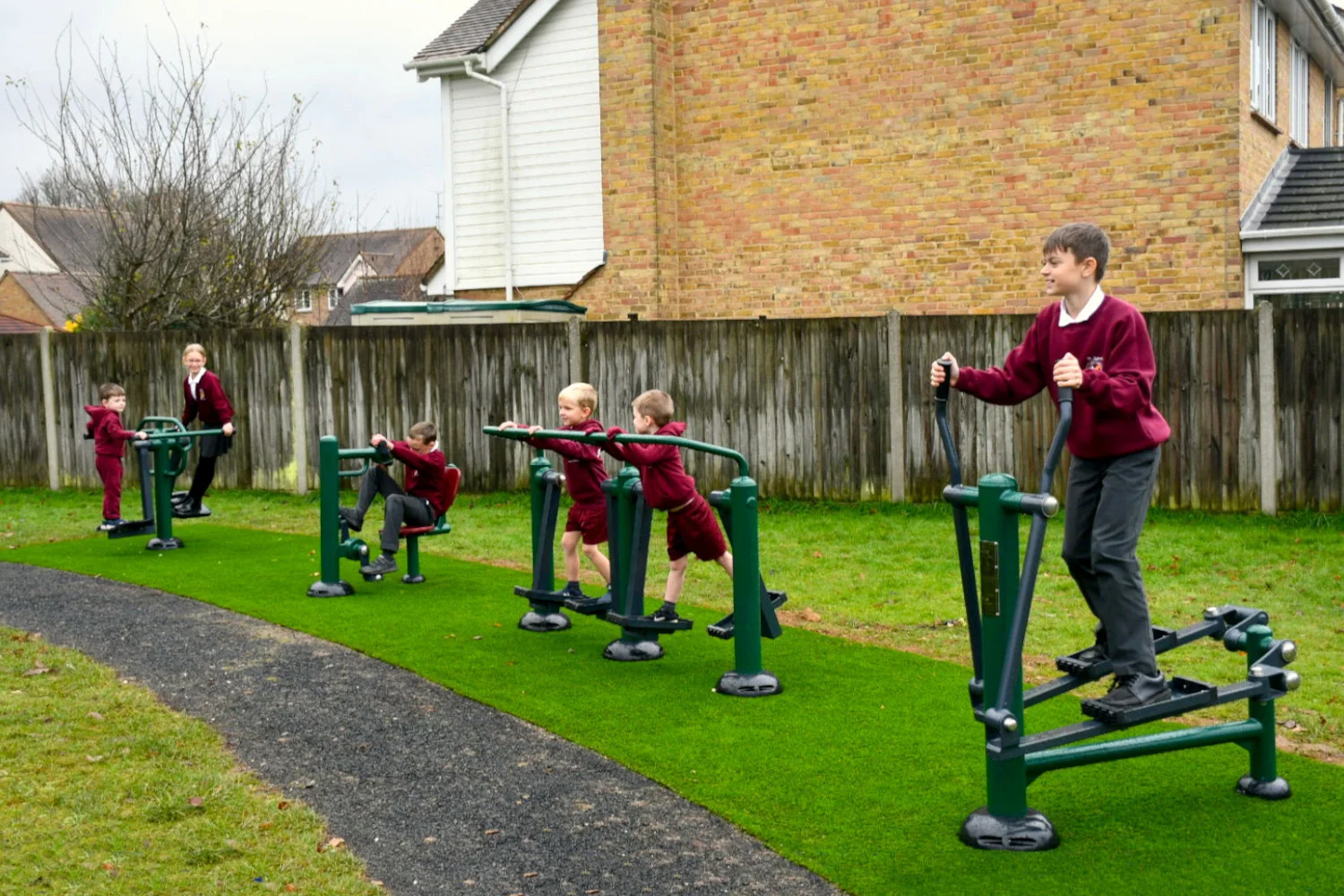
If you're a head teacher, PE lead or business manager weighing up whether to invest, this guide walks through what's available, what to think about before you buy, and how to avoid the mistakes that leave expensive kit gathering moss.
Why Schools Are Turning to Outdoor Fitness Equipment
Traditional PE lessons only go so far. Many children are active for a fraction of the recommended 60 minutes a day, and some feel self-conscious in team sports. Outdoor equipment offers a different way to do so.
•It's available beyond lesson time. Pupils can use it at break, lunch and in after-school clubs.
• It suits different abilities. A child who dislikes football might love balancing along a beam or hanging from a bar.
•It builds more than fitness. Coordination, confidence, teamwork and focus all get a boost when kids are active outside.
• It makes use of existing space. Even a modest corner of the playground can be turned into a useful activity zone.
There's also growing evidence that physical activity helps concentration in the classroom, which is a fair argument when you're explaining the spend to governors.
Types of Outdoor Gym Equipment for Schools
Not every school needs the same set-up. Here are the main categories and who they tend to suit.
Calisthenics and Pull-Up Frames
Pull-up bars, dip stations, monkey bars and parallel bars use body weight as resistance. They're simple, durable and popular with older primary and secondary pupils. Look for frames in different heights so younger children can use them safely.
Agility and Balance Equipment
Balance beams, stepping stones, slalom posts and low obstacle courses suit younger pupils well. They build coordination and offer a gentler option for children who are still gaining confidence in their movement.
Balance beams, stepping stones, slalom poles, and low obstacle courses suit younger pupils well. They build coordination and offer a gentler option for children still gaining confidence in movement. Cardio and Low-Impact Machines
Outdoor cross-trainers, air walkers and rowing machines work well in secondary schools and sixth forms. They don't need electricity, which keeps running costs down, and they feel familiar to teenagers who use commercial gyms.
Strength and Multi-Station Units
Leg presses, chest presses and combined stations let pupils work on strength using their own body weight or light resistance. These are better suited to older students and should come with clear instructions and supervision.
Inclusive and Accessible Equipment
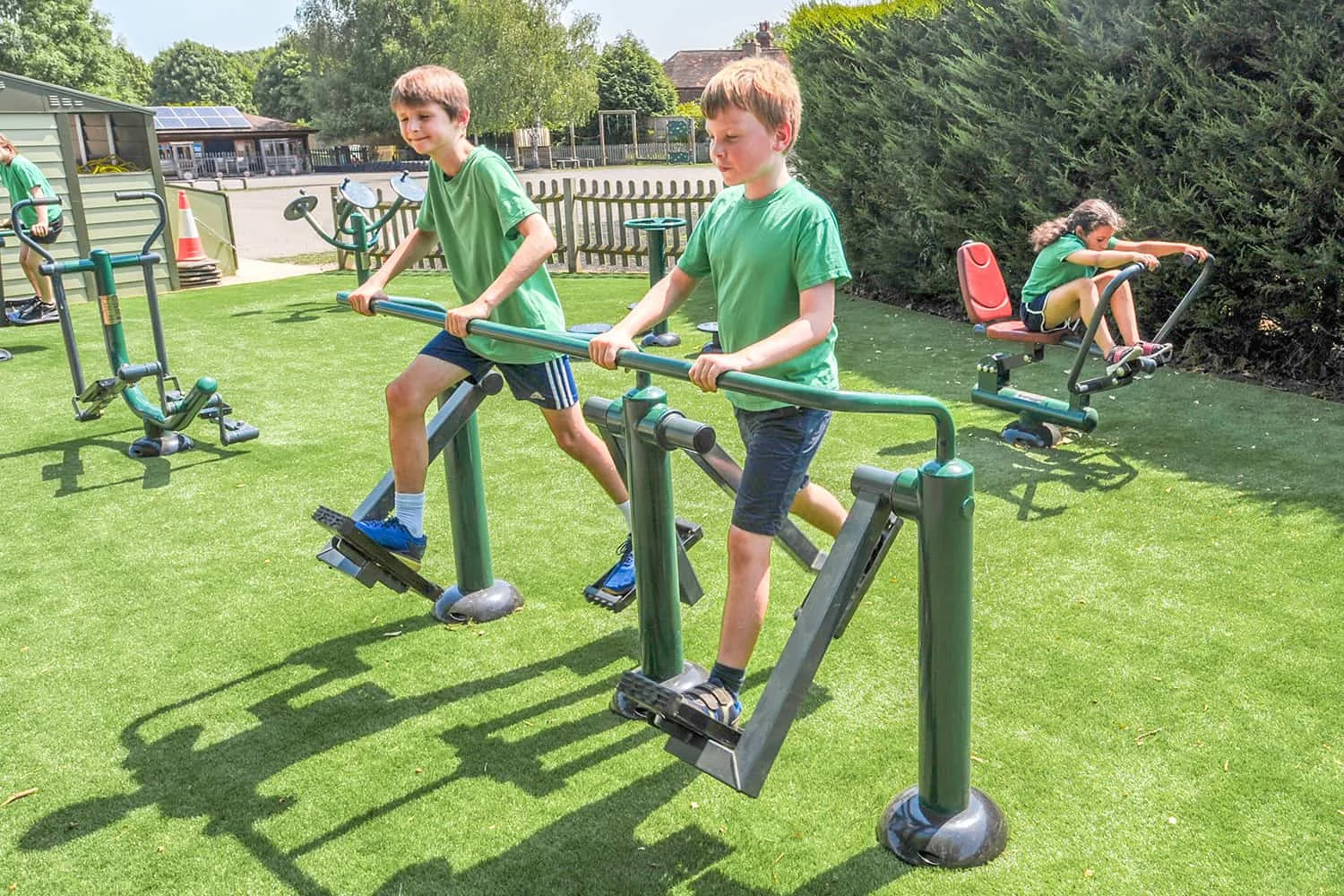
Wheelchair-accessible stations, sensory panels and adapted equipment make sure every child can take part. If your school supports pupils with additional needs, this deserves a place in the planning from the start, not as an afterthought.
What to Consider Before You Buy
It's easy to get swept along by a glossy brochure. Slow down and think through these points first.
Age range. Equipment designed for a 15-year-old is very different from what suits a 6-year-old. If you have a mixed site, consider separate zones.
Safety standards. Choose equipment that meets the relevant British or European playground and fitness standards, and request installation certificates. Safety surfacing under and around the equipment is just as important as the equipment itself.
Materials and weather resistance. Galvanized steel, powder-coated finishes and robust timber hold up well to British weather. Cheap materials can rust, splinter or fade within a couple of seasons.
Maintenance. Ask suppliers what upkeep is needed and how often. Many schools carry out weekly visual checks and an annual professional inspection.
Supervision and use. Decide in advance who can use the equipment, when, and under what level of supervision. Clear signage with age guidance and instructions helps enormously.
Space and layout. Leave enough room between stations for safe movement and keep equipment away from busy walkways and ball games.
Budget and funding. Costs vary widely depending on the size of the set-up. Many schools combine PTA fundraising, local council grants, sports charities and sponsorship to cover the investment. A phased approach, starting with a core set of equipment and adding more later, can make a project feel far more achievable.
Getting Pupils Involved
One of the smartest things a school can do is ask the children what they want. Student councils often come up with ideas adults wouldn't think of, and pupils who've had a say are far more likely to use the equipment and look after it. Pairing the new space with a few simple activity cards or circuit ideas also helps teachers who aren't PE specialists feel confident getting started.
Conclusion
Outdoor gym equipment for schools isn't a magic fix, but it is a practical, lasting way to get more children moving. The best installations start with a clear picture of who will use them, choosing quality kit that suits the age group, and planning for safety and maintenance from day one. Do that, and your playground becomes something much more valuable than a patch of tarmac.
Frequently Asked Questions
1. What age group is outdoor gym equipment suitable for? There is equipment for every age, from early years to sixth form. The key is to choose items designed for the specific age range and to separate zones where needed.
2. Is outdoor fitness equipment safe for children? Yes, when it's built to recognised safety standards, installed correctly over suitable surfacing, and used with clear rules and appropriate supervision.
3. How much space do we need? It depends on the equipment, but even a small area can host a few stations. Allow for safe clearance zones around each piece, and ask your supplier for a layout plan.
4. How long does outdoor gym equipment last? Quality galvanised or powder-coated equipment can last 10 to 15 years or more with regular maintenance, though lifespan depends on the materials and how heavily it's used.
5. Does the equipment need regular inspection? Yes. Routine visual checks by staff, plus an annual inspection by a qualified inspector, are widely recommended.
6. How can we fund it? Schools often use a mix of PTA fundraising, local authority grants, sports charity funding and local business sponsorship. Some suppliers also offer phased installation.
7. Can children with disabilities use it? Many manufacturers offer inclusive and wheelchair-accessible options. Raise this early with your supplier so accessibility is built into the design.