
 Sign up with Google
 Sign in with Zoho

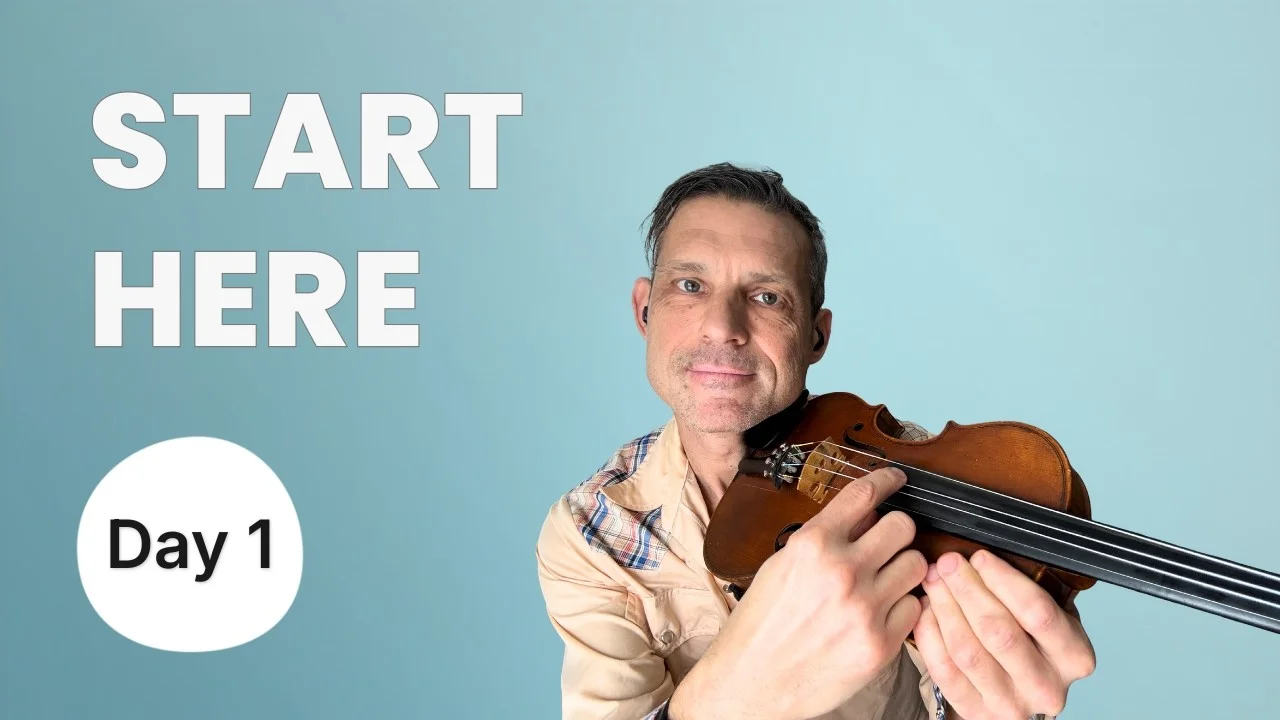
Learning the violin can be an exciting and rewarding experience for people of all ages. Many beginners choose the violin because it develops musical skills, improves focus, and creates a strong foundation for understanding music theory. However, starting a new instrument can feel challenging without proper guidance.
Violin lessons for beginners help new players understand basic techniques, develop good habits, and progress step by step. Whether you are a child, teenager, or adult learner in the USA, structured lessons can make the learning process easier and more enjoyable.
This guide explains how beginner violin lessons work, what skills new students learn, how to choose the right learning method, and what beginners should expect during their musical journey.
Why Learn the Violin as a Beginner?
The violin is one of the most expressive musical instruments. It appears in classical music, folk traditions, orchestras, school programs, and modern performances.
For beginners, learning violin offers several benefits:
- Improves concentration and memory
- Builds discipline through regular practice
- Develops listening and coordination skills
- Encourages creativity and self-expression
- Creates opportunities to participate in musical groups
Many music education programs across the USA introduce students to violin through schools, private instruction, community programs, and local music organizations.
What Do Beginner Violin Lessons Teach?
Beginner violin lessons focus on building strong fundamentals. Students usually start with basic skills before moving to advanced techniques.
1. Understanding the Violin and Equipment
Before playing songs, beginners learn how to handle the instrument correctly.
Lessons usually cover:
- Parts of the violin
- Proper holding position
- How to hold the bow
- Tuning basics
- Care and maintenance
A beginner should learn safe handling because incorrect posture can create discomfort and slow progress.
2. Learning Proper Posture and Technique
Good technique helps beginners play comfortably and produce better sound.
Students learn:
- Correct standing or sitting posture
- Shoulder and chin placement
- Finger positioning
- Bow movement control
- Relaxed hand movements
Teachers often focus on technique during early lessons because strong fundamentals support future improvement.
3. Reading Music and Understanding Rhythm
Most beginner violin courses include basic music theory.
Students learn:
- Musical notes
- Staff reading
- Time signatures
- Rhythm patterns
- Musical symbols
Understanding sheet music allows beginners to play a wider range of songs independently.
Different Types of Violin Lessons for Beginners
Beginners can choose different learning formats depending on their goals, schedule, and location.
Private Violin Lessons
Private lessons provide individual attention from an instructor.
Benefits include:
- Personalized feedback
- Customized practice plans
- Faster correction of mistakes
- Flexible lesson scheduling
Private instruction is available in many cities across the USA, including New York, Los Angeles, Chicago, Houston, Boston, and other areas with active music communities.
Group Violin Classes
Group classes allow beginners to learn with other students.
Advantages include:
- Social learning environment
- Lower cost compared to private lessons
- Opportunities for ensemble practice
- Motivation from classmates
Group programs are common in schools, community centers, and music education programs.
Online Violin Lessons
Online violin lessons have become popular because they allow students to learn from home.
They can provide:
- Flexible scheduling
- Access to instructors from different locations
- Recorded practice materials
- Convenient learning for busy students
However, beginners should still receive feedback on posture and technique to avoid developing incorrect habits.
How Long Does It Take to Learn Violin?
The time required to learn violin depends on practice habits, lesson quality, and personal goals.
Most beginners experience progress through these stages:
First Few Months
Beginners usually learn:
- Basic posture
- Bow control
- Simple melodies
- Basic music reading
The first stage focuses on building comfort with the instrument.
Six Months to One Year
With regular practice, students may develop:
- Better sound quality
- Improved finger accuracy
- More advanced songs
- Increased confidence
Long-Term Development
Becoming an advanced violin player requires consistent practice over several years. Skills such as advanced bow techniques, vibrato, and complex musical pieces develop gradually.
How to Choose the Right Beginner Violin Lessons
Choosing suitable lessons can greatly affect learning progress.
Consider these factors:
Instructor Experience
A good beginner teacher should understand how to teach new players. They should explain techniques clearly and provide constructive feedback.
Learning Style
Think about your preferred learning method:
- Face-to-face instruction for personal guidance
- Group classes for social learning
- Online lessons for flexibility
Lesson Goals
Your goals should guide your choice.
Some beginners want to:
- Play for personal enjoyment
- Join a school orchestra
- Prepare for performances
- Build a foundation for advanced music study
How Often Should Beginners Practice Violin?
Regular practice helps beginners improve faster.
A common practice schedule includes:
- 15–30 minutes daily for young beginners
- 30–60 minutes daily for committed learners
- Longer sessions for advanced students
Quality matters more than practice length. Beginners should focus on correct technique instead of simply playing for many hours.
Common Challenges New Violin Students Face
The violin requires patience because it does not produce perfect sounds immediately.
Common beginner challenges include:
- Producing clear notes
- Maintaining correct posture
- Controlling the bow
- Building finger strength
- Staying consistent with practice
These challenges are normal. Proper instruction and regular practice help students overcome them.
Tips for Successful Violin Learning
Beginners can improve their progress by following simple strategies:
- Practice consistently rather than occasionally.
- Warm up before playing.
- Focus on technique before speed.
- Listen carefully to improve sound quality.
- Set small and realistic goals.
- Track progress over time.
- Stay patient during difficult stages.
Learning Violin in the USA: What Beginners Should Know
The USA offers many opportunities for beginner violin students. Different regions have access to music schools, private teachers, youth orchestras, and community programs.
Students can explore:
- Local music education centers
- School orchestra programs
- Community arts organizations
- Online learning platforms
Major cities often provide more options, but beginners in smaller towns can also find quality instruction through online lessons and regional programs.
FAQ: Violin Lessons for Beginners
The following FAQ section answers common questions beginners ask before starting violin lessons. It provides quick information about learning time, costs, practice requirements, and choosing the right approach.
How much time does a beginner need to learn violin?
A beginner can learn basic violin skills within a few months with regular practice. Developing advanced skills usually requires several years of consistent learning.
Is violin difficult for beginners?
The violin can be challenging because beginners must learn posture, bow control, and finger placement. With proper lessons and regular practice, most students can make steady progress.
What age is best to start violin lessons?
Children can often begin around age 4–7, but adults can also successfully learn violin at any age with proper instruction and commitment.
How often should a beginner take violin lessons?
Many beginners take lessons once a week and practice between sessions. Consistent weekly instruction helps maintain progress and correct mistakes early.
Can adults learn violin as beginners?
Yes. Adults can learn violin successfully. Many adult students begin for personal enjoyment, stress relief, or lifelong musical development.















.webp)