Sign up with Google
 Sign in with Zoho


Custom software development has become an important investment for businesses across the United States. Companies are moving beyond generic software because every organization has different goals, workflows, and customer expectations. While ready-made applications can solve common problems, they often lack the flexibility needed for long-term business growth.
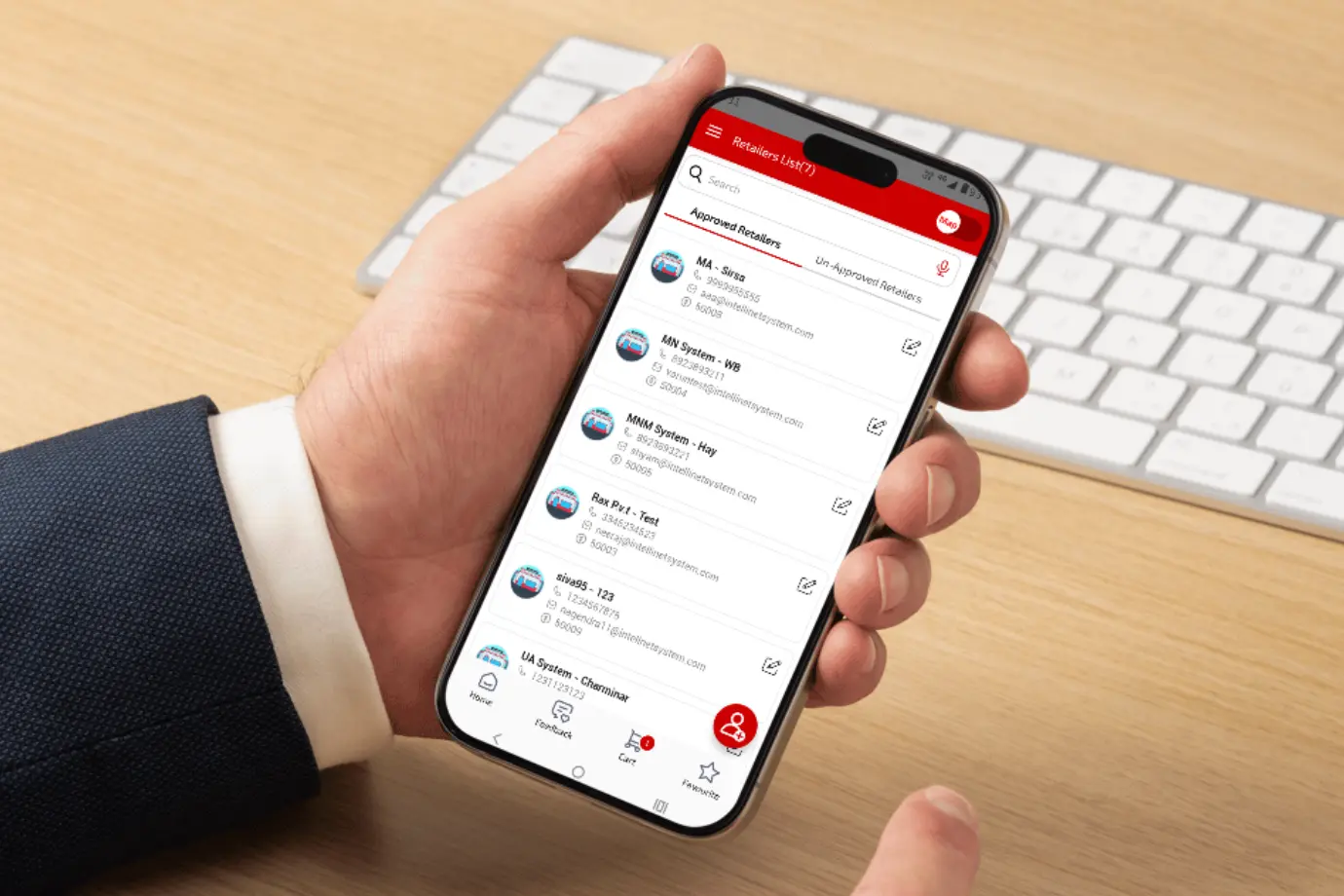
Custom software development focuses on creating applications that match specific business requirements. Instead of adjusting business processes to fit existing software, organizations build solutions that support their unique operations.
This guide explains what custom software development is, how it works, its benefits, challenges, development process, and when businesses should consider investing in a custom solution.
What Is Custom Software Development?
Custom software development is the process of designing, building, testing, and maintaining software created specifically for a particular organization or purpose. Unlike off-the-shelf software, custom applications are tailored to meet unique business needs.
These solutions can include:
- Customer relationship management (CRM) systems
- Enterprise resource planning (ERP) software
- Inventory management systems
- Healthcare applications
- Financial management tools
- Mobile applications
- Web portals
- Workflow automation platforms
Businesses in the USA use custom software to improve productivity, reduce manual work, and gain better control over their operations.
Why Businesses Choose Custom Software Development
Many organizations eventually reach the limitations of standard software. They require features that commercial products cannot provide without expensive workarounds.
Better Fit for Business Needs
Custom software is designed around existing workflows. Employees do not need to change their processes to fit the software. This improves productivity and reduces confusion.
Greater Flexibility
Businesses can add new features as they grow. The software evolves alongside changing business requirements instead of forcing companies to switch platforms.
Improved Efficiency
Automation reduces repetitive tasks. Employees spend less time on manual data entry and more time on valuable work.
Better Integration
Custom applications can connect with existing systems such as accounting software, payment gateways, cloud platforms, customer databases, and internal tools. This creates smoother business operations.
Enhanced Security
Businesses handling sensitive information often require stronger security measures. Custom software allows organizations to implement security features based on their specific compliance requirements and risk levels.
Types of Custom Software Solutions
Custom software can serve businesses in many different industries. The right solution depends on organizational goals and operational challenges.
Enterprise Software
Enterprise software helps manage large-scale operations, departments, employees, and internal workflows.
Examples include:
- HR management systems
- Financial software
- Supply chain platforms
- Project management systems
Web Applications
Web applications run through internet browsers without requiring installation on every device.
Examples include:
- Customer portals
- Booking systems
- Business dashboards
- Online learning platforms
Mobile Applications
Businesses increasingly build custom mobile apps for employees and customers.
These applications support:
- Field services
- Healthcare
- Retail
- Logistics
- Banking
- Education
Automation Software
Automation software eliminates repetitive business processes such as:
- Invoice generation
- Email notifications
- Document approval
- Data synchronization
- Report generation
The Custom Software Development Process
Developing custom software involves several structured phases. Each stage helps reduce risks and ensures the final product meets business expectations.
Requirement Analysis
The first step involves understanding business goals, challenges, and user needs.
During this stage, developers identify:
- Project objectives
- Functional requirements
- Technical requirements
- User roles
- Security needs
- Expected outcomes
Planning and Design
The team creates software architecture, wireframes, database structures, and user interface designs before development begins.
Good planning reduces costly changes later.
Development
Developers write code based on approved designs and project specifications.
Modern development often follows Agile methodologies, allowing teams to build software in smaller phases with continuous improvements.
Testing
Quality assurance teams test the software for:
- Functionality
- Performance
- Security
- Compatibility
- Usability
- Bug detection
Testing ensures the software performs reliably before launch.
Deployment
After successful testing, the software moves into the production environment where users can access it.
Deployment may occur all at once or in stages depending on business requirements.
Maintenance and Updates
Software requires ongoing maintenance to fix bugs, improve security, and introduce new features as business needs change.
Benefits of Custom Software Development
Organizations choose custom software because of its long-term advantages.
Improved Productivity
Employees complete tasks faster using software designed specifically for their workflows.
Better Customer Experience
Custom applications allow businesses to deliver personalized services, faster response times, and smoother user experiences.
Long-Term Cost Efficiency
Although custom software requires a larger initial investment, businesses often save money over time by avoiding recurring licensing fees and reducing operational inefficiencies.
Competitive Advantage
Unique software enables companies to offer services or workflows competitors may not have.
Scalability
As organizations expand, custom software can accommodate additional users, features, and business processes without requiring complete replacement.
Challenges of Custom Software Development
Every software project has potential challenges that businesses should understand.
Higher Initial Investment
Custom development typically costs more upfront than purchasing ready-made software.
Longer Development Time
Building software from scratch requires planning, coding, testing, and deployment. This process takes time depending on project complexity.
Ongoing Maintenance
Software requires continuous updates, security improvements, and technical support throughout its lifecycle.
Requirement Changes
Business priorities may change during development, requiring additional planning and modifications.
Proper project management helps minimize these risks.
When Should Businesses Choose Custom Software?
Custom software development may be the right choice when:
- Existing software cannot meet business requirements.
- Multiple systems need integration.
- Manual processes consume excessive time.
- Data security requires greater control.
- Business growth demands scalable technology.
- Competitive differentiation depends on unique digital capabilities.
Businesses should evaluate their long-term goals before deciding between custom software and commercial solutions.
Best Practices for Successful Custom Software Development
Following proven practices increases the chances of project success.
Define Clear Objectives
Businesses should identify measurable goals before development begins.
Prioritize User Experience
Simple navigation and intuitive interfaces improve employee adoption and customer satisfaction.
Focus on Security
Security should be integrated throughout the development process rather than added after deployment.
Plan for Future Growth
Software architecture should support future expansion without major redevelopment.
Test Continuously
Frequent testing identifies issues early and improves overall software quality.
Future Trends in Custom Software Development
Technology continues to shape how custom software is built.
Several trends are influencing modern development:
- Artificial intelligence integration
- Cloud-native applications
- Low-code development platforms
- Internet of Things (IoT) connectivity
- Advanced cybersecurity practices
- Data analytics and business intelligence
- Automation through machine learning
- API-first development
Businesses across the USA are adopting these technologies to improve operational efficiency and remain competitive.
Summary
Custom software development provides businesses with technology built specifically for their goals, processes, and future growth. Unlike generic software, custom solutions offer flexibility, scalability, improved security, and better integration with existing systems.
While development requires careful planning and investment, organizations often benefit from increased efficiency, stronger customer experiences, and greater control over their digital operations. As technology continues to evolve, custom software remains an important strategy for businesses seeking long-term innovation and sustainable growth.