Sign up with Google
 Sign in with Zoho

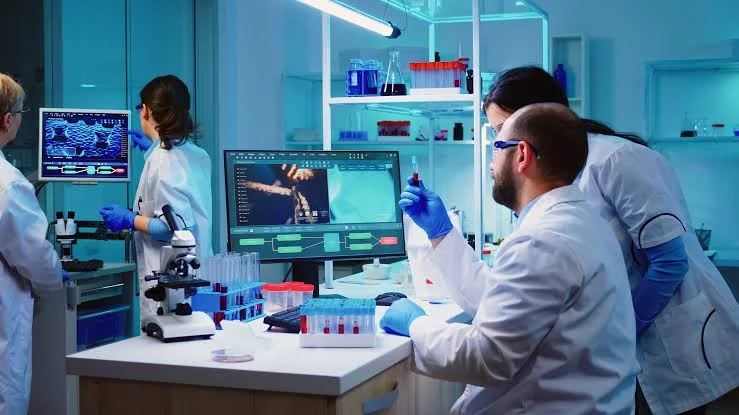
In the modern medical landscape, healthcare decisions rely heavily on accurate data. Doctors can rarely diagnose an illness based on visible symptoms alone. Instead, they depend on specialized medical laboratories to analyze blood, tissue, and molecular samples. This reliance on data means medical laboratory specialists are the hidden champions behind every successful recovery. For professionals looking to fast-track their careers in this vital industry, the Post Graduate Diploma Medical Laboratory Technology (PGMLT) has emerged as a premier clinical qualification.
This post-graduate program bridges the gap between basic scientific knowledge and the advanced diagnostic skills required in contemporary clinical settings. Rather than spending years in long-term academic degrees, students can gain immediate, highly practical expertise in handling complex lab automation, biochemical profiling, and diagnostic software. It provides a direct, efficient route to becoming an essential asset within modern medical networks.
Meeting the Surge in Specialized Laboratory Careers
The global demand for skilled lab professionals is rising rapidly, driven by emerging infectious diseases and an increasing emphasis on early disease detection. Routine medical care cannot function safely without competent laboratory staff. This high demand translates into exceptional job stability and diverse career opportunities across the healthcare sector.
Graduates holding a PGMLT are highly sought after by private diagnostic chains, multi-specialty hospitals, public health departments, and research laboratories. Because this diploma focuses heavily on practical clinical training, employers know that these graduates can step directly into high-pressure lab environments, operate advanced testing equipment, and maintain quality assurance protocols with minimal oversight.
Exploring the Scientific Core of Advanced Lab Technologies
The core structure of a modern PGMLT program moves far beyond standard textbook concepts. Students dive deep into highly technical disciplines that form the basis of modern disease management. From studying advanced hematological techniques to managing blood transfusion safety, the coursework turns students into multi-disciplined scientific professionals.
A major component of this training involves diagnostic microbiology and molecular genetics. Students learn to identify pathogenic microorganisms, run DNA amplification sequences, and decode genetic markers that point to hereditary disorders or viral mutations. This specialized scientific training ensures that when a specimen arrives at the lab, the technologist knows exactly how to extract accurate, life-saving information.
Reclaiming the Full Scope of the Healing Arts
The modern healthcare ecosystem relies on various interrelated disciplines working together to manage patient health. Understanding laboratory diagnostics is just one part of this interconnected puzzle. The total medical recovery process also relies heavily on pharmaceutical accuracy, drug composition, and patient-centered clinical management.
Just as lab specialists identify the cellular root of an illness, clinical pharmacists step in to provide the precise targeted treatments necessary to cure it. For health professionals looking to understand the broader medical landscape, exploring Science of Healing shows how laboratory testing, drug development, and patient care work together to save lives daily.
Elevating Quality Control and Lab Security Standards
An essential aspect of running a modern medical laboratory is maintaining strict regulatory compliance and absolute accuracy. A single mislabeled sample or uncalibrated machine can lead to a wrong diagnosis, compromising patient safety. Therefore, advanced postgraduate training places a massive emphasis on quality control and laboratory management.
Students are trained extensively in standard operating procedures (SOPs), chemical safety hazards, and automated system calibrations. They learn how to implement international biosafety standards, manage electronic laboratory databases, and audit testing procedures. This focus on precision prepares graduates to take on administrative leadership roles, such as laboratory managers and quality control officers.
Stepping Into a Future of Diagnostic Excellence
Choosing the right educational foundation is critical when pursuing a high-stakes career in allied health sciences. Because diagnostic techniques evolve quickly, students need access to modern medical equipment and expert instruction to stay competitive. Enrolling in a premier institution like Green International University ensures that your academic journey is backed by state-of-the-art facilities and a strong focus on clinical excellence. By combining comprehensive practical exposure with an industry-aligned curriculum, aspiring technologists gain the technical skills, professional confidence, and recognized credentials required to excel as leaders in laboratory medicine.