Sign up with Google
 Sign in with Zoho

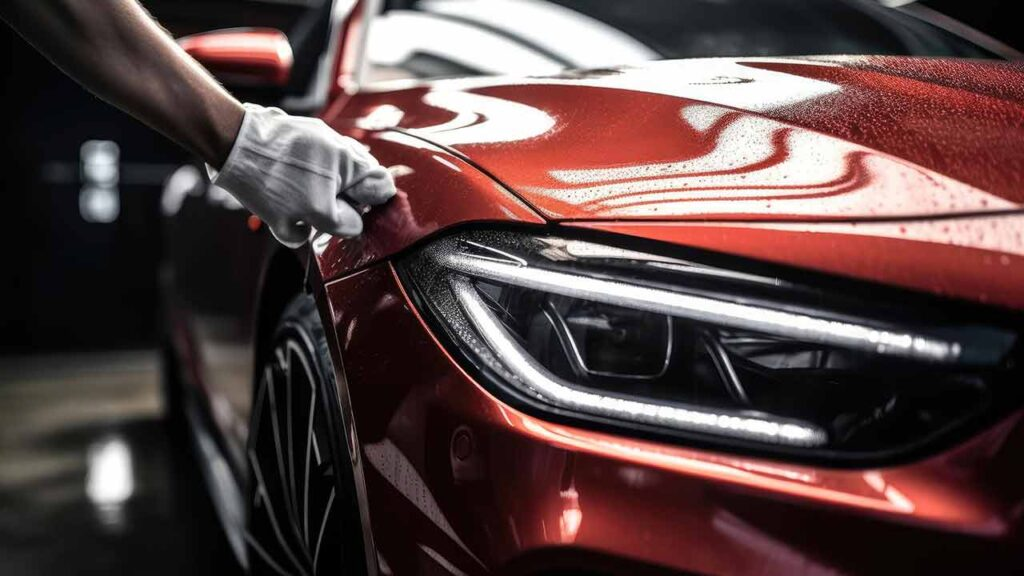
When it's time to sell your car, you check the oil, inflate the tires, maybe even wash it. But you're leaving thousands on the table. The difference between a vehicle that sells quickly at top dollar and one that lingers with lowball offers often comes down to one factor: presentation. Professional detailing isn't just about making your car look nice for the sale—it's about maximizing the return on one of your largest investments. Understanding this financial reality reveals why professional car detailing is one of the highest-return investments you can make before selling.
The Numbers: What Detailing Actually Adds
The data is compelling. Vehicles presented in excellent condition consistently sell for $1,500 to $3,000 more than identical models in average condition . This gap widens for luxury vehicles, specialty cars, and those with higher original values.
The Dealer Tier System: When you trade in a vehicle, dealerships categorize cars into tiers. A "front-line ready" vehicle—clean, detailed, with no obvious cosmetic issues—goes directly to the lot. A vehicle needing reconditioning gets a deduction—often $800 to $2,000—for the dealer's estimated refurbishment cost . That deduction is money you could have kept.
The Private Sale Premium: Private buyers pay a premium for vehicles that look well-maintained. A detailed car signals that the owner cared for the vehicle, reducing buyer anxiety about hidden issues . Buyers are willing to pay $1,000-$2,500 more for a vehicle that presents as "like new."
The Speed Factor: Detailed vehicles sell faster. Every week your car sits on the market is a negotiation disadvantage. Faster sales mean less price erosion, fewer showings, and less carrying cost while you wait for the right buyer.
The High-Impact Services: Where Your Money Goes
Not all detailing services offer equal returns at resale. Strategic investment in specific services yields the highest payoff.
Paint Correction and Protection
This is the single most influential service for resale value. Swirl marks, light scratches, and faded paint scream "neglect" to buyers and appraisers.
The Correction Difference: A vehicle with corrected, swirl-free paint appears years newer. The depth and clarity of a properly polished finish communicates pride of ownership . This alone can add $500-$1,500 to sale price.
Sealant or Coating: Applying a quality paint sealant or ceramic coating before sale adds perceived value. Buyers see the hydrophobic beading and understand the vehicle has been protected . This signals that future maintenance will be easier and that the paint is shielded from UV and contaminants.
Interior Deep Cleaning and Restoration
The interior is where buyers spend their time—and where they form lasting impressions.
Carpet and Upholstery Extraction: Hot water extraction removes embedded dirt, stains, and odors that ordinary vacuuming leaves behind . Fresh, clean carpets and seats make the entire vehicle feel newer. This service typically returns $300-$800 in increased value.
Leather Conditioning: Cracked, dried leather signals age and neglect. Conditioned, supple leather communicates care. The difference is immediate and tactile . Buyers run their hands over seats; make sure they feel quality.
Odor Elimination: This is non-negotiable. Any smell—smoke, pets, mustiness—will kill a sale or cost you hundreds in negotiation. Professional odor treatment eliminates odors at the source, leaving the cabin truly fresh .
Engine Bay Detailing
A clean engine bay is a powerful trust signal. It suggests meticulous maintenance and makes mechanical inspections more favorable.
The Trust Factor: When buyers or mechanics see a clean engine compartment, they assume the rest of the vehicle has been similarly maintained . This perception alone can add $200-$500 to perceived value.
Leak Visibility: A clean engine bay makes any leaks immediately visible. If there are no leaks, this transparency builds confidence. If there are minor leaks, you can address them before they become negotiation points .
Headlight Restoration
Cloudy headlights make any car look old and neglected. This is a low-cost, high-impact service.
The Transformation: Clear, restored headlights make the front of the vehicle look significantly newer . The cost is modest—often $75-$150—but the visual impact is substantial, typically returning $200-$500 in increased value.
The Documentation Advantage
Professional detailing provides documentation that supports your asking price.
Service Records: Keep receipts and photos of the detailing work. When buyers ask about maintenance, you can show them that the vehicle received professional cosmetic care . This documentation validates your price premium.
Before and After Photos: For significant work like paint correction, before-and-after photos demonstrate the transformation. This visual evidence justifies your asking price and shows buyers they're getting a vehicle that's been properly prepared .
The Timing Strategy: When to Detail
The timing of your pre-sale detail matters as much as the work itself.
2-4 Weeks Before Listing: Schedule your comprehensive detail 2-4 weeks before you begin showing the vehicle. This ensures the car is in peak condition for photographs and initial viewings .
Before Photography: Professional photos of a detailed car generate more interest and higher initial offers. Your listing photos are your first impression—make them count.
Before Each Showing: Between the initial detail and final sale, maintain the vehicle with quick touch-ups. A spray wax and interior wipe-down before each showing keeps the car in presentation-ready condition.
The DIY vs. Professional Decision
While some pre-sale cleaning can be DIY, certain services deliver maximum return only when professionally performed.
Paint Correction: This requires skill, equipment, and experience. Improper polishing can damage clear coat, reducing value rather than increasing it . Professional correction is worth the investment.
Interior Extraction: Consumer carpet cleaners don't match the heat, pressure, and extraction power of professional equipment . The difference is visible and affects buyer perception.
Engine Bay Detailing: Professional detailers know which components to protect and how to clean without causing electrical issues. DIY mistakes can be costly.
Services You Can DIY: Basic washing, interior vacuuming, and quick detailing between showings are manageable for most owners. Focus your professional investment on high-impact services that require expertise.
The Buyer Psychology
Understanding what buyers see helps you maximize your detailing investment.
The 30-Second Assessment: Most buyers decide within the first 30 seconds whether they're interested. That assessment is overwhelmingly visual . A detailed car passes this test; a dirty one fails.
The "Well-Maintained" Inference: Buyers extrapolate from what they see. A detailed interior suggests the owner changed the oil on time, addressed issues promptly, and cared for the vehicle . This inference is worth real money.
The Negotiation Shield: When your car presents perfectly, buyers have fewer points to negotiate. They can't claim "the paint needs work" or "the interior is stained" because you've already addressed these issues . This puts you in a stronger position to hold your price.
The Cost-Benefit Analysis
Let's do the math. A comprehensive pre-sale detail costing $300-$500 typically returns $1,500-$3,000 in increased sale price . That's a 300-600% return on investment—better than almost any other pre-sale expense.
The Alternative: Selling a vehicle in "as-is" condition with visible cosmetic issues typically results in:
- Lower initial offers
- Longer time on market
- More negotiation concessions
- Final sale price $2,000-$4,000 below potential
The choice is clear: detailing before sale isn't an expense; it's an investment with measurable returns.
Conclusion
When you're ready to sell your car, professional detailing isn't just about making it look nice—it's about capturing the full value of your investment. The $1,500 to $3,000 difference between a detailed vehicle and a neglected one is real, documented, and achievable. From paint correction that erases years of swirl marks to interior extraction that restores carpets to like-new condition, each service contributes to the perception of a well-maintained vehicle. The documentation of professional care supports your asking price. The timing ensures peak presentation when buyers see your listing. The result is a faster sale, stronger negotiation position, and thousands of dollars you'd otherwise leave on the table. For those seeking this advantage without the hassle, mobile car detailing by DetailFlow brings professional pre-sale preparation directly to your location, ensuring your vehicle captures every dollar it deserves.
Frequently Asked Questions
How much can detailing really add to resale value?Industry data shows that professionally detailed vehicles typically sell for $1,500 to $3,000 more than identical vehicles in average cosmetic condition . The return on investment for pre-sale detailing is often 300-600%.
What detailing services offer the highest return before selling?Paint correction and protection, interior deep cleaning (especially carpet extraction), headlight restoration, and engine bay detailing consistently deliver the highest returns . These services address the visual elements buyers notice first.
When should I detail my car before selling?Schedule comprehensive detailing 2-4 weeks before listing to ensure peak condition for photos and initial viewings . Maintain with quick touch-ups between showings.
Is professional detailing worth it for an older, high-mileage car?Absolutely. For older cars, detailing is arguably more important. It helps the vehicle compete with newer models by minimizing visual age cues . The value gap between a neglected older car and a detailed one can be even larger than for newer vehicles.
Should I detail before trading in or selling privately?Both. For trade-ins, a detailed car appraises higher because it requires less dealer reconditioning. For private sales, detailing creates the "well-maintained" impression that justifies premium pricing .
What documentation should I keep from the detailing?Keep receipts, service records, and before-and-after photos. This documentation validates your investment and supports your asking price when buyers ask about maintenance .
Can I detail my car myself for resale?Basic cleaning is fine, but professional services like paint correction, interior extraction, and engine bay detailing deliver returns that far exceed their cost . DIY efforts often miss the deep cleaning that creates the "like new" impression buyers value .









.webp)