Sign up with Google
 Sign in with Zoho

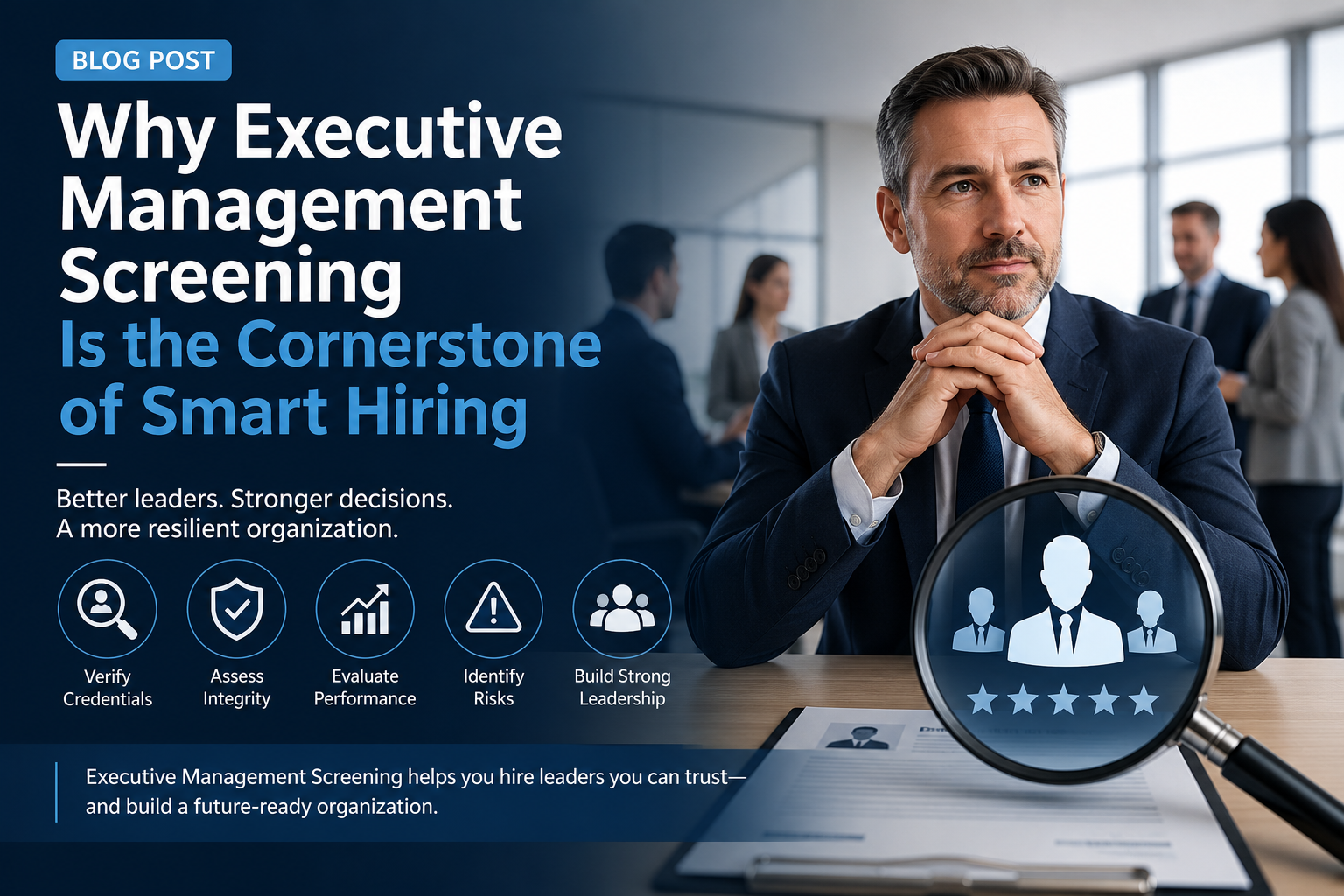
Every leadership hire carries weight far beyond the individual role. A single executive can shape company culture, influence investor confidence, and determine whether strategic goals are met or missed. This is precisely why Executive Management Screening has become an indispensable step for organizations across Asia and beyond. Far from being a box-ticking exercise, it is a structured process designed to verify that the people stepping into positions of power are exactly who they claim to be professionally, financially, and reputationally.
The Hidden Risks of Skipping Leadership Vetting
When companies rush to fill C-suite vacancies, they sometimes overlook the depth of due diligence required. Resumes can be polished, references can be cherry-picked, and past controversies can be quietly omitted. Without a rigorous verification process, an organization may unknowingly onboard someone with undisclosed conflicts of interest, regulatory sanctions, or a history of corporate misconduct. The consequences range from reputational damage and shareholder distrust to costly legal disputes and operational disruption.
This is where comprehensive checks come in. By combining identity verification, employment history validation, litigation searches, sanctions screening, and media analysis, organizations gain a clear, evidence-based picture of a candidate before they sign the offer letter.
Senior Executive Due Diligence: A Layered Approach
Unlike standard pre-employment checks, Senior Executive Due Diligence requires a more layered and nuanced methodology. Senior leaders often have complex professional histories spanning multiple countries, board memberships, business ventures, and public commentary. A thorough due diligence process examines all of these dimensions holistically rather than in isolation.
Key Components of Effective Due Diligence
- Corporate Affiliations: Reviewing current and past directorships, shareholdings, and business interests to identify potential conflicts of interest or undisclosed liabilities.
- Litigation and Regulatory History: Searching court records, regulatory databases, and disciplinary actions across relevant jurisdictions.
- Reputational Analysis: Scanning media coverage, public statements, and industry commentary to understand how the individual is perceived professionally.
- Financial Integrity Checks: Assessing bankruptcy records, insolvency filings, and any history of financial mismanagement.
Each of these layers contributes to a fuller picture, helping boards and hiring committees make confident, well-informed decisions before granting access to sensitive financial data, strategic plans, and stakeholder relationships.
How This Differs From a Standard Background Check for Employment
Many organizations already conduct a background check for employment for new hires at various levels confirming identity documents, educational qualifications, and basic employment history. While this remains essential for entry-level and mid-level roles, executive positions demand a significantly higher standard of scrutiny.
A standard check might confirm that a candidate worked at a particular company for a stated duration. Executive screening goes further, examining the circumstances of departure, performance during tenure, any associated controversies, and whether the individual's public profile aligns with the narrative presented during interviews. This distinction matters enormously when the role in question carries fiduciary responsibility, signing authority, or public-facing accountability.
Building Trust With Stakeholders Through Transparent Vetting
Investors, board members, and employees alike take comfort in knowing that leadership appointments are made with rigor and care. A transparent screening process signals organizational maturity and a commitment to governance best practices. It also acts as a deterrent candidates with something to hide are less likely to pursue roles where thorough vetting is standard practice.
Cross-Border Considerations
For multinational organizations, the challenge intensifies. Executive candidates often have professional footprints across several jurisdictions, each with different record-keeping standards, languages, and legal frameworks. Working with specialists who understand regional nuances from local court systems to language-specific media monitoring ensures that no critical information falls through the cracks during the verification process.
Integrating Screening Into Your Hiring Workflow
The most effective organizations treat leadership screening not as a final formality but as an integrated part of the recruitment lifecycle. This means initiating checks early enough to inform shortlisting decisions, maintaining clear communication with candidates about the process, and ensuring findings are reviewed by qualified professionals who can contextualize results appropriately. A red flag in isolation does not always disqualify a candidate — what matters is how it fits into the broader picture and whether it was disclosed proactively.
Final Thoughts
Leadership decisions shape the trajectory of an organization for years to come. Investing in robust verification processes before extending an offer is not just risk management it is a strategic safeguard for the company's future, its people, and its reputation. Whether you are filling a board seat, a C-suite role, or a senior regional management position, partnering with experienced due diligence professionals ensures that your most important hiring decisions are backed by facts, not assumptions.