Sign up with Google
 Sign in with Zoho
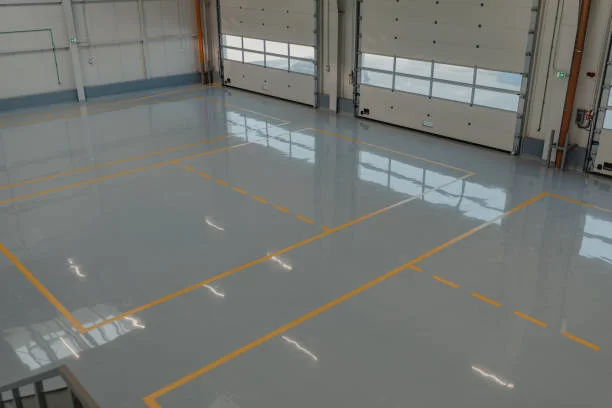
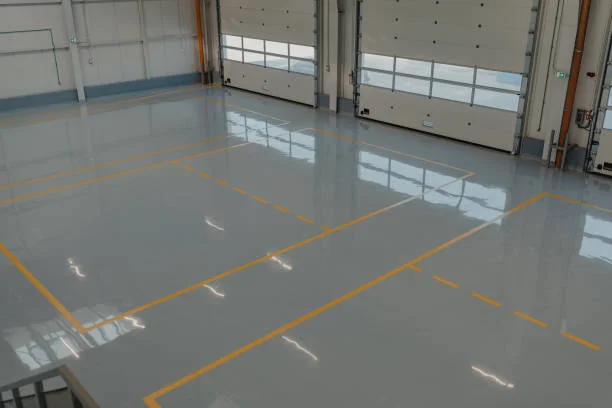
Bare concrete is hard-wearing but not maintenance-free. In the Lower Mainland, wet winters, tracked-in water, road salt and vehicle traffic can leave garage and basement floors stained, dusty and cracked. Epoxy flooring is a popular way to deal with this. This guide explains what epoxy is, where it makes sense, how installation works, and what to consider before deciding.
What Is Epoxy Flooring?
Epoxy flooring is a coating made from a resin and a hardener. When mixed and applied to prepared concrete, the two components react and cure into a hard, plastic-like layer. The result is a seamless, non-porous surface that resists many stains and is easy to clean. Unlike ordinary floor paint, a properly applied epoxy system bonds to the concrete rather than just sitting on top.
Common Benefits
- Durability: it stands up well to foot traffic, tools and vehicles.
- Stain resistance: the sealed surface resists oil, grease and many household chemicals.
- Easy cleaning: with no grout lines or open pores, most spills wipe up quickly.
- Appearance: options include solid colours, decorative flakes, metallic effects and matte or gloss finishes.
- Dust control: coating the concrete reduces the fine dust that bare slabs produce.
Possible Drawbacks
A balanced look matters too:
- Epoxy can be slippery when wet unless an anti-slip additive is used.
- Preparation is demanding. Poor prep is a leading cause of peeling and bubbling.
- Moisture can cause problems. Concrete with high moisture vapour transmission may need testing or a moisture-mitigating primer.
- Standard epoxy can yellow or fade under UV light if left without a UV-stable topcoat.
- Cure time means downtime. The space can’t be used normally until the floor has hardened.
Where Epoxy Flooring Is Commonly Used
- Residential garages, where resistance to hot-tire marks, oil and winter grime is useful
- Basements and laundry rooms, provided moisture is checked first
- Workshops and auto shops, where chemical and oil resistance matters
- Retail and commercial spaces, for a clean, uniform look
- Warehouses and light industrial areas, which often need heavier-duty systems
- Food service areas, which benefit from seamless, easy-to-sanitize surfaces
How Installation Typically Works
Most professional installations follow the same general sequence:
- Inspection. The installer checks the slab for cracks, oil contamination and moisture.
- Surface preparation. Diamond grinding or shot blasting removes contaminants and gives the surface a profile the coating can grip.
- Repairs. Cracks and surface damage are filled and levelled.
- Primer and base coat. The epoxy layer is applied, and decorative flakes or pigments are added if wanted.
- Topcoat. A clear coat such as polyaspartic or urethane adds scratch resistance and UV stability.
- Curing. Light foot traffic is often possible within about a day, but full cure takes longer. Always follow the product manufacturer’s guidance.
Because the work involves resins and, sometimes, grinding dust, good ventilation is important during and after application.
What Affects the Cost?
Prices vary widely, so be cautious of any figure quoted without seeing the space. The main factors are:
- Total floor area
- Condition of the concrete and the amount of repair needed
- The type of system (solid colour, flake, metallic or industrial grade)
- Topcoat choice
- Extras such as anti-slip additives or coved edges
Comparing written quotes from several contractors is a good way to understand the market in your area.
Tips for Choosing an Installer
- Ask what surface preparation method will be used (grinding is generally preferred over acid etching).
- Ask which products and topcoat will be applied, and request product data sheets.
- Ask whether moisture testing will be done.
- Request a written quote that covers scope, materials and any warranty.
- Look at photos or examples of previous work, and check reviews from independent sources.
Epoxy vs. Other Options
Frequently Asked Questions
How long does an epoxy floor last? It depends on preparation, the system used, and how heavily the floor is used. A well-prepared, well-maintained floor can last many years, but no lifespan is guaranteed.
Is epoxy flooring safe once cured? Cured epoxy is generally considered stable and inert. During application, ventilate the area and follow the manufacturer’s safety instructions.
How should I clean it? Sweep or dust-mop regularly and clean with mild soap and water. Avoid harsh abrasives that can dull the finish.
Can epoxy be applied over old paint or sealer? Sometimes, but old coatings usually need to be removed or properly profiled first.
Final Thoughts
Epoxy flooring can be a practical upgrade for garages, basements and commercial spaces in Surrey, BC, but results depend heavily on concrete condition, preparation and product choice. If you’d like to discuss a project, Pacific Floors and Coatings can be reached through the contact details on this page.