
 Sign up with Google
 Sign in with Zoho

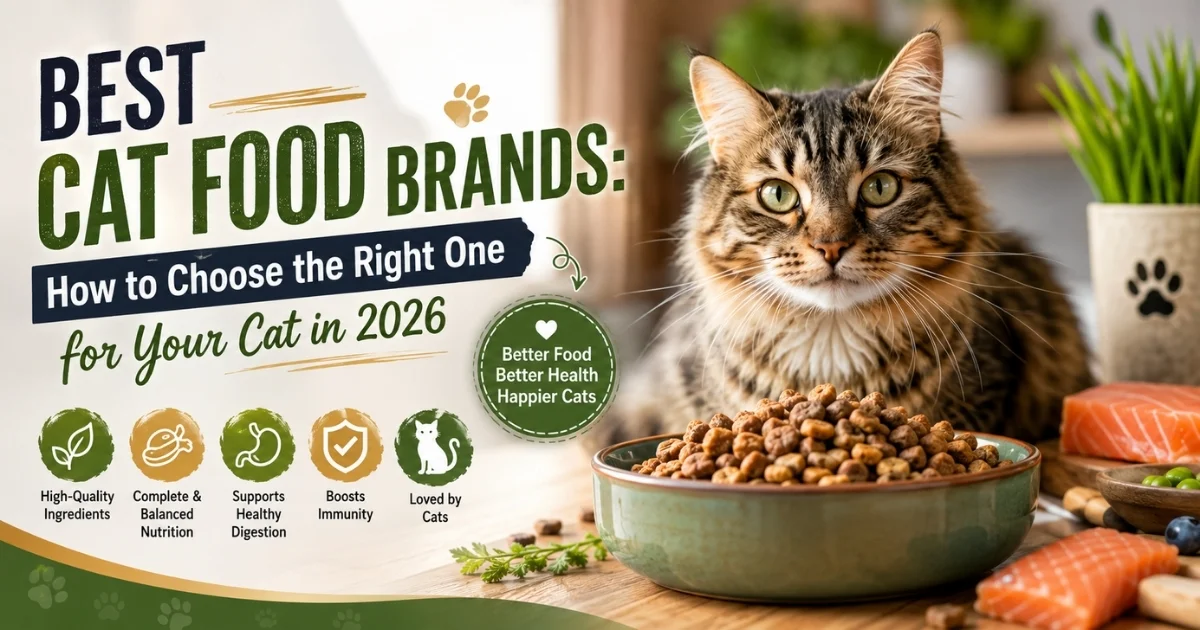
Choosing among today's cat food brands can feel overwhelming. Walk into a pet store or browse online, and you'll find hundreds of products claiming to be "premium," "natural," "grain-free," or "vet-approved." While these labels can be helpful, they don't always tell the full story.
When I adopted my first cat, I assumed the most expensive brand would automatically be the healthiest. After trying several products, I realized that a higher price doesn't always mean better nutrition. My cat's energy levels, digestion, and even her interest in eating changed depending on what was in her bowl.
That experience taught me that selecting the right cat food isn't about choosing the most popular brand—it's about understanding your cat's nutritional needs and finding a food that truly supports them.
Don't Choose a Brand Based on Marketing Alone
Many brands use attractive packaging and buzzwords to catch your attention. While there's nothing wrong with appealing branding, the ingredient list and nutritional profile matter far more than what's printed on the front of the bag.
Before buying any food, ask yourself:
- Is real animal protein the first ingredient?
- Is the recipe complete and balanced for my cat's life stage?
- Does the brand clearly explain its ingredients and sourcing?
- Is the food formulated to support long-term health rather than just basic nutrition?
These questions can help you look beyond advertising and focus on what really benefits your cat.
Understand Your Cat's Individual Needs
No two cats are exactly alike.
A playful kitten, an indoor adult cat, and a senior cat all require different levels of calories, protein, and nutrients. Likewise, cats with food sensitivities, urinary concerns, or weight issues often benefit from specialized diets.
Instead of asking, "Which is the best brand?" it's more useful to ask, "Which food is best for my cat?"
Choosing food based on your cat's age, activity level, and overall health is far more important than following trends.
Is Dry Food Good for Cats?
One of the questions I asked repeatedly while researching nutrition was, "is dry food good for cats?"
The answer depends on how it's used.
High-quality dry cat food is convenient, affordable, and can provide complete nutrition when properly formulated. Many cats live healthy lives eating kibble.
However, dry food contains very little moisture. Since cats naturally don't drink large amounts of water, relying entirely on kibble may not provide the hydration some cats need, especially as they grow older.
Many veterinarians recommend incorporating moisture-rich meals alongside dry food to create a more balanced feeding routine.
Fresh Food Is Changing the Way Owners Feed Their Cats
Over the past few years, fresh nutrition has become one of the fastest-growing categories in the pet food industry.
Unlike heavily processed diets, fresh meals are prepared using real meat and carefully selected ingredients while maintaining balanced nutrition. The goal isn't simply to make food taste better—it's to preserve ingredient quality and provide a diet that's closer to what cats naturally evolved to eat.
After transitioning my own cat to PawPots, I noticed gradual but meaningful improvements. She became more excited during mealtime, her digestion became more regular, and her coat looked healthier within a few weeks.
What impressed me most wasn't just the visible changes—it was knowing every meal contained fresh, human-grade ingredients without requiring me to prepare everything myself.
Should You Make Homemade Cat Food?
Many owners consider homemade cat food because they want complete control over ingredients.
It's an understandable idea, but creating balanced meals for cats is far more complex than simply cooking meat. Cats require specific amounts of taurine, calcium, vitamins, minerals, and essential fatty acids. Missing even one important nutrient over time can affect their overall health.
Unless meals are developed with veterinary nutritional guidance, professionally prepared diets are generally the safer option.
Signs You've Found the Right Cat Food
The right diet often reveals itself through your cat's overall wellbeing.
Look for these positive signs:
- Healthy body weight
- Bright, clear eyes
- Soft, shiny coat
- Consistent digestion
- Good energy levels
- Excitement at mealtime
- Normal litter box habits
If your cat consistently shows these signs, their current diet is likely supporting their health well.
Why Ingredient Transparency Matters
Among all the cat food brands available today, transparency has become one of the most important qualities to look for.
Brands that clearly explain where ingredients come from, how recipes are prepared, and how nutrition is balanced give pet parents greater confidence in every meal they serve.
This is one reason PawPots has earned the trust of many modern cat owners. Its recipes are freshly prepared using quality ingredients and formulated to deliver complete nutrition while keeping meals simple, wholesome, and easy to digest.
Final Thoughts
Finding the best cat food isn't about choosing the brand with the biggest advertising budget or the fanciest packaging. It's about selecting food that supports your cat's health every single day.
Whether you currently feed dry cat food, wet food, or are considering a fresh diet, always evaluate ingredient quality, nutritional balance, and how your cat responds to the food over time.
A healthy cat doesn't just need a full bowl—it needs the right nutrition. For many pet parents looking to upgrade their cat's diet in 2026, fresh, balanced meals from PawPots are proving that better ingredients can lead to happier, healthier lives.












.webp)