Sign up with Google
 Sign in with Zoho
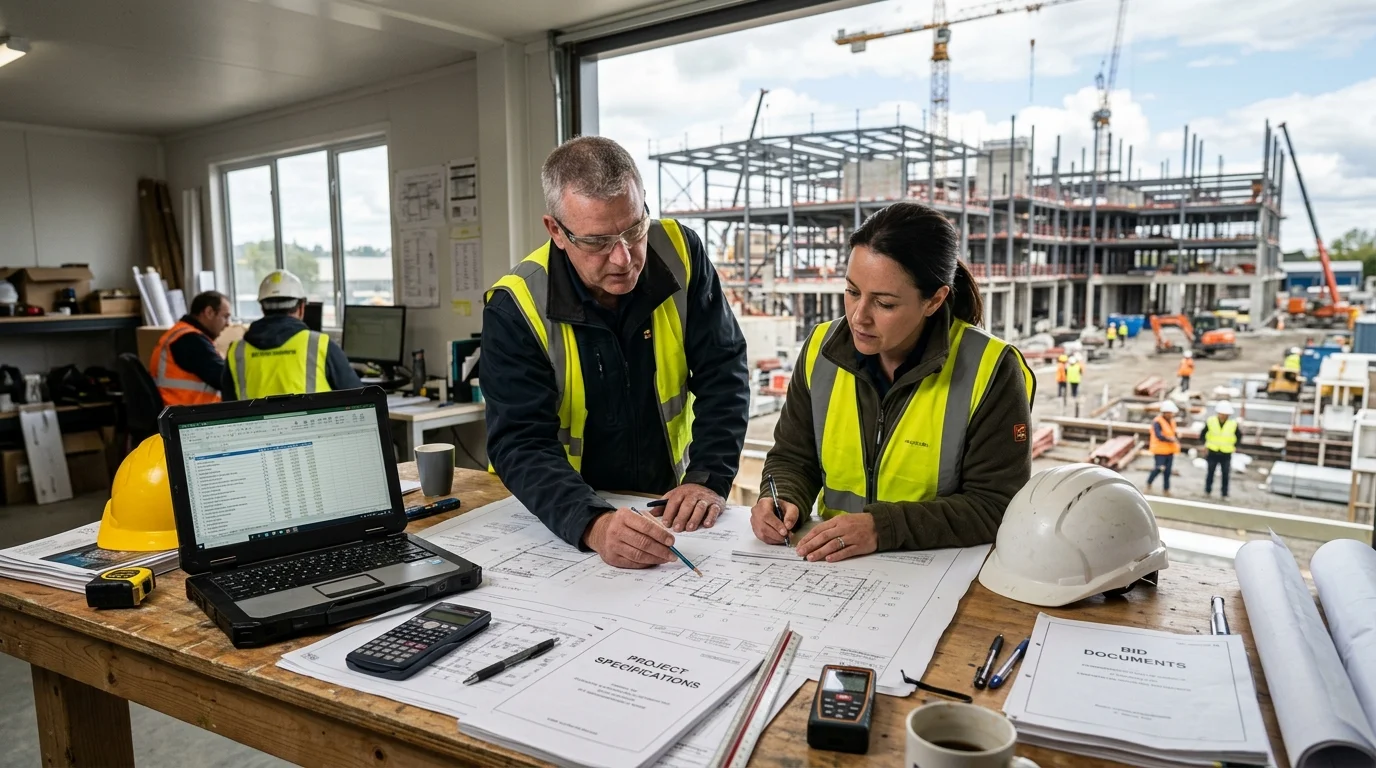

Bid season puts pressure on every part of a construction business, but the estimating desk often feels the pressure first. Drawings pile up, deadlines overlap, and there is rarely enough time to price every project the way it deserves. This is why more contractors are turning to an estimating company to handle part or all of this workload.
Outsourcing estimating work is not a new idea, but it has picked up speed as bid volume grows and in-house teams stay the same size. This kind of outside support gives a contractor access to pricing help without adding a full-time hire, and this shift is changing how many firms approach their busiest months of the year.
What an Estimating Company Does
An estimating company builds cost estimates for construction projects using drawings, specifications, and current market pricing. This work supports contractors during bid preparation and, in some cases, throughout the life of a project.
Quantity Takeoffs and Pricing
The core of estimating work starts with quantity takeoffs, where every material item on the drawings gets measured and counted. From there, the estimator applies current material pricing, labor rates, and equipment costs to build a full picture of project expense.
Bid Document Preparation
Beyond raw numbers, this outside support organizes cost data into a format that matches bid document requirements. This includes breaking costs down by division, listing exclusions clearly, and formatting the proposal so it meets submission rules.
Subcontractor Pricing Coordination
Many projects rely on subcontractor pricing for trades outside a contractor's core scope. An estimating company gathers these quotations, checks them against the drawings, and folds them into the overall bid so nothing gets left out.
Why Contractors Are Outsourcing to an Estimating Company
Contractors do not outsource estimating because they lack the skill to do it in-house. Most outsource because the volume of work has grown beyond what their current staff can handle during a busy bid cycle.
A few patterns show up again and again among contractors who make this move:
- Bid volume increases at a pace hiring cannot keep up with.
- Project managers get pulled into estimating work, taking them away from active jobs.
- In-house estimators need support during peak season without a year-round commitment.
- Firms want a second set of numbers to check against their own internal estimate.
These outside providers fill these gaps without requiring a contractor to restructure its staff or commit to a long-term payroll increase.
The Main Reasons Outsourcing Construction Estimating Is Increasing
Rising Bid Volume
Many markets have seen a steady rise in project activity, which means more invitations to bid land on a contractor's desk each month. Estimating services help absorb this volume without forcing a contractor to turn down opportunities.
Shortage of In-House Estimators
Experienced estimators can be hard to find, and training a new hire takes time that a busy bid schedule does not always allow. Outsourcing to construction estimating support fills this gap while a contractor works on longer-term staffing plans.
Need for Software and Workflow Support
Estimating software has become more detailed over the years, covering everything from quantity takeoffs to cost databases tied to current material pricing. Outside estimating support often maintains this software and the workflows built around it, so a contractor does not need to manage the learning curve internally.
Contractors who want to keep pace with a growing bid calendar without overloading their own staff often turn to outside support for this reason. PROESTIMATRIX is one estimating company that works with contractors in this position, helping manage bid workloads, prepare estimates that match project scope, and support more accurate project budgeting so cost figures hold up once construction begins. This kind of support fits naturally into a bid cycle where deadlines overlap and in-house staff cannot price every opportunity that comes through the door, since it gives project managers and estimators room to spend more time on execution rather than splitting attention between the field and the bid desk.
What to Look for When Choosing an Estimating Company
Experience With Similar Project Types
Not every estimating company works across all project types with the same depth. A contractor bidding commercial work should confirm that the estimating company has direct experience with that type of construction, rather than a background limited to residential jobs.
Clear Communication During the Bid Process
Questions come up during every estimate, whether about unclear drawings or missing specification pages. An estimating company that communicates without delay during this stage helps prevent pricing gaps from carrying through to the final bid.
Turnaround Time That Matches Bid Deadlines
Bid deadlines rarely move, so turnaround time matters as much as pricing depth. Before committing to an estimating company, a contractor should confirm realistic timelines for projects of similar size and scope.
Detailed, Organized Cost Breakdowns
A useful estimate breaks costs down by division or trade rather than handing over a single lump sum. This structure makes it easier to review the numbers and catch anything that looks off before the bid goes out.
Common Mistakes to Avoid When Outsourcing Estimating Work
Sending Incomplete Drawings or Specifications
An estimate is only as accurate as the documents behind it. Missing sheets or outdated specifications lead to gaps that surface later, often after the bid has already been submitted.
Skipping the Review Step
Even with outside support, a contractor should review the final numbers before submission. Skipping this step removes a chance to catch scope questions or pricing assumptions that need a second look.
Choosing Based on Price Alone
The lowest price for estimating services does not always reflect the depth of work behind the number. A contractor should weigh turnaround time, communication, and experience alongside cost when choosing an estimating company.
Waiting Until the Last Minute to Reach Out
Estimating companies need time to review drawings and build an accurate takeoff. Reaching out close to a bid deadline limits how much detail can go into the final numbers.
How an Estimating Company Supports Long-Term Business Growth
Working with an estimating company does more than solve a short-term staffing gap. It gives a contractor room to bid on more projects without stretching in-house staff past their limit, which opens the door to steady growth over time.
This kind of support also frees up project managers and in-house estimators to focus on active construction rather than splitting attention between the field and the bid desk. Over several bid cycles, this shift can lead to a stronger win rate, since each proposal gets the attention it needs instead of a rushed review under deadline pressure.
Conclusion: Choosing the Right Estimating Company for Your Business
An estimating company gives contractors a way to manage rising bid volume without adding full-time staff or stretching project managers too thin. From quantity takeoffs and bid document preparation to subcontractor pricing coordination, this kind of support touches every stage of the bidding process. Contractors who take time to choose an estimating company with the right experience, communication, and turnaround time put themselves in a stronger position to grow their business one accurate bid at a time.