Sign up with Google
 Sign in with Zoho
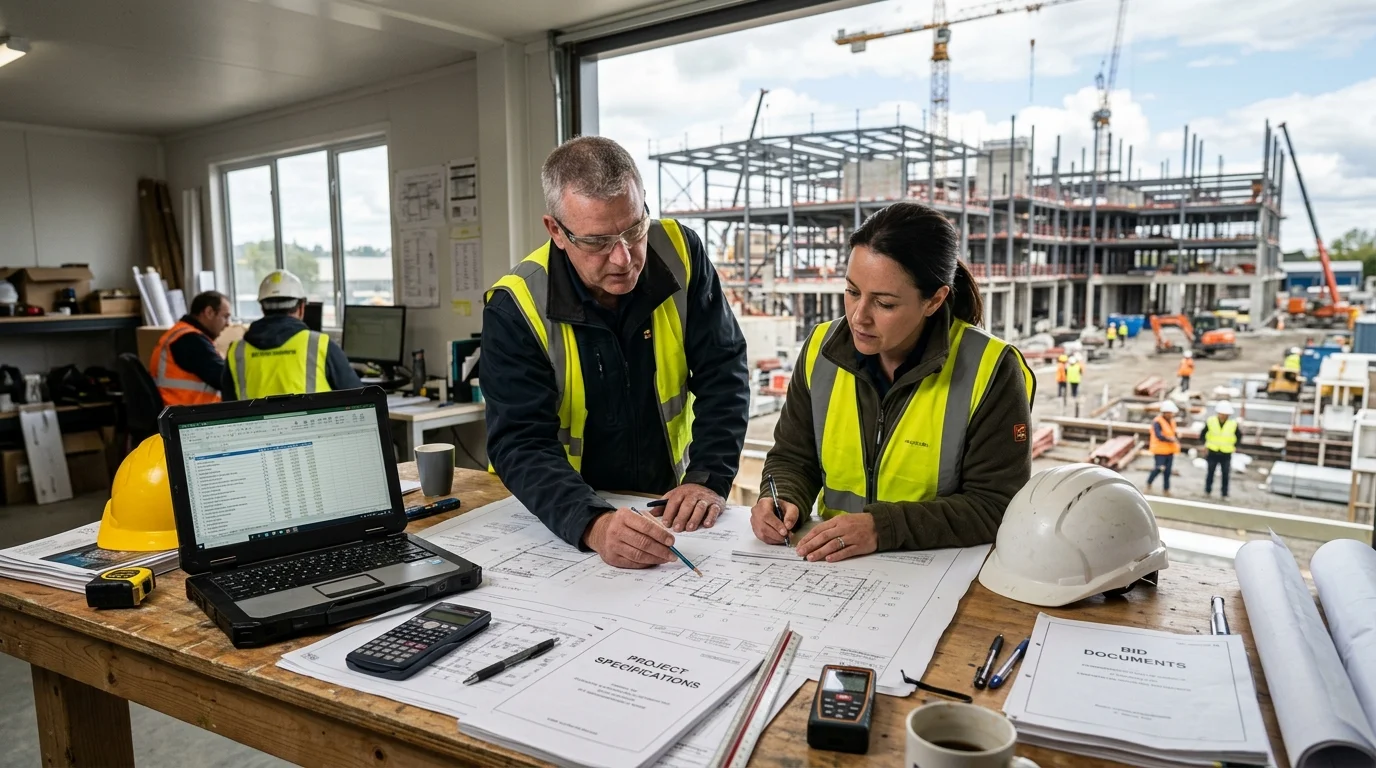
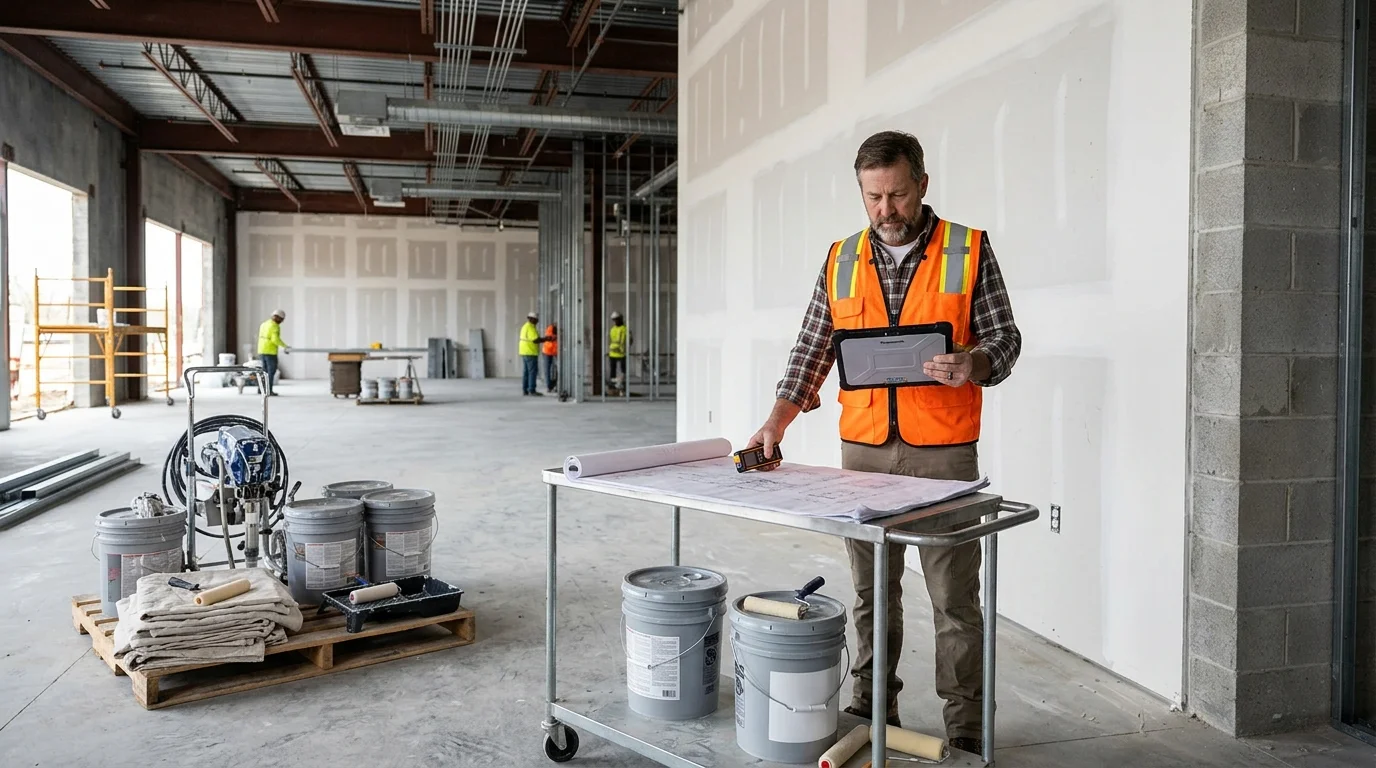
Square footage alone won't tell you what a commercial painting job actually costs. Before a bid goes out the door, someone has to go through the drawings, the spec sheets, the current state of the surfaces, what kind of prep is needed, what paint system is called for, how the crew will get to certain areas, and how many labor hours all of that adds up to. Skip any of that, and the number you land on won't match the job you're actually going to do. Two buildings with nearly identical wall square footage can end up costing very different amounts — one might just need a coat of paint, while the other needs extensive patching, an extra coat, or a lift to reach a tricky roofline. This is where a commercial painting estimator comes in: reviewing the project details before pricing is really the only way to make sure the bid matches the actual scope of work rather than a rough guess based on the building's footprint.
Why Pricing Review Matters So Much on Commercial Jobs
No two commercial painting projects are really the same, even when they look similar on paper. Building size gets you in the ballpark, but it's the surface types, their current condition, the coating system specified, and the specific requirements of the project that actually drive the number.
Picture a single building with concrete exterior walls, metal doors, drywall ceilings inside, and a few sections of painted masonry. Each of those surfaces likely needs its own prep method and its own coating approach. A contractor who applies one blanket assumption across the whole building is going to miss things.
Scope matters just as much. One job might be limited to interior walls and ceilings; another might cover the entire exterior, plus doors, trim, and other painted elements. That's why going through the details up front — before any numbers get calculated — matters so much.
Access is another wildcard. Tall walls might call for scaffolding or a lift. An oddly laid-out building might have corners or sections that simply take longer to reach and prep. None of this should be left until after the estimate is already written.
Commercial Painting Estimator: What Contractors Should Review First
The starting point is the paperwork and the physical condition of the building — together, they define what the job actually involves. A commercial painting estimator starts by checking the project scope and breaking the work into measurable, distinct areas before pricing anything.
Drawings and Specs
Floor plans, elevations, and reflected ceiling plans show where the painted surfaces actually are. These need a close read before anyone picks up a tape measure or starts calculating gallons.
The specifications matter just as much, if not more. They typically spell out paint type, finish, primer requirements, number of coats, and the standard of surface prep expected. Finish schedules and any painting notes in the plans often flag surfaces that need something out of the ordinary.
Drawings tell you where the work is. Specs tell you how it needs to be done. A commercial painting estimator reviews both before measuring anything.
Measuring the Actual Scope
Getting accurate numbers means walking through wall areas, ceilings, exterior surfaces, doors, and anything else the project includes. Walls and ceilings get measured against real dimensions — either from the drawings or from what's available on-site — and different sections of the same building may call for different treatment depending on the material.
Doors and windows are worth double-checking too. It's easy to assume they're included (or excluded) without confirming it against the actual documents.
Once the total paintable area is nailed down, it becomes the foundation for figuring out paint quantities and labor — and it gives the estimator a concrete list of what's actually in the bid.
Condition of the Existing Surfaces
How much prep a surface needs often comes down to its current state. Peeling paint, cracking, built-up dirt, or general wear can all add hours before a single coat of new paint goes on.
Different materials age differently — concrete, masonry, drywall, and metal all fail in their own ways. A cracked or damaged patch of drywall might just need patching, while a metal surface with rust or grime might need a thorough cleaning and a primer coat per spec.
A commercial painting estimator should identify these conditions before pricing the work. If they're not caught early, the labor and material numbers in the estimate won't reflect what the crew is actually walking into.
How Surface Preparation Changes a Commercial Painting Estimate
Surface prep touches both labor hours and material costs. Exterior surfaces with dirt or buildup often need pressure washing before anything else happens. Interior spaces sometimes need a simple cleaning pass first too.
Then there's scraping — removing loose or peeling paint before the new coat goes on. How much scraping is needed varies a lot section to section, so it's not something to estimate as a flat rate across the whole job.
Patching and caulking come up often as well. Damaged spots need patching; gaps and joints that the spec calls out need caulking.
Priming deserves its own look too — certain surfaces, or areas that were just patched, often require a primer coat before the finish goes on.
It helps to keep prep work as its own line item, separate from the painting itself. That way it's easier to see exactly how much work happens before the actual coating begins, and nothing slips through the cracks.
How Paint Type and Coat Count Affect the Bottom Line
What paint is specified — and how many coats it needs — changes the math substantially. This should come straight from the project specs rather than a general assumption based on past jobs.
A single finish coat is a completely different labor and material picture than a job that calls for three coats. The estimator needs to follow what's actually written in the specs, not what's typical.
Paint quantities come from the measured area combined with the coverage rate of the specified product. Whether primer is required on certain surfaces factors in here too.
None of this should be treated as a minor detail. Paint type and coat count directly shape both the material order and the labor hours planned for the job.
Commercial Painting Estimator: Reviewing Labor and Access Requirements
A handful of conditions determine how many labor hours a job will actually take:
- Wall height
- Building layout
- Surface condition
- Number of coats
- Prep work required
- Lifts
- Scaffolding
- General access to work areas
Tall walls change how crews get to the work — sometimes that means a lift, sometimes scaffolding. Lower walls are usually more straightforward.
Layout matters too. A sprawling building with several distinct work zones, narrow passages, or multiple elevations takes more planning than a simple rectangular structure.
Condition plays in here as well — scraping, patching, cleaning, and priming all take time before the actual painting starts, and the number of coats stretches the timeline further.
PROESTIMATRIX can support this review process, helping organize measured surfaces, prep items, labor hours, and material needs into a format that makes the scope easier to evaluate before a bid goes out.
How a Commercial Painting Estimator Checks Material Quantities
Material calculations start with measured surface area and what the specs call for — not a single blanket number applied to the whole building.
Concrete, masonry, drywall, and metal each have their own prep needs, and should be broken out separately whenever the project calls for different treatments.
Primer needs to be accounted for wherever it's required. Patching compound, caulk, and other prep materials should show up as their own line items too, not folded into the general paint total.
The estimator pulls all of this together — measured areas, coating requirements, coat count — to land on a material number that actually reflects the job. And if a wall or ceiling section got missed in the drawings, or a prep item was left off the list, the final estimate won't hold up against the real scope.
Why a Full Scope Review Matters Before Pricing
A thorough scope review is really the only way to catch everything before a bid goes out. A missed wall, ceiling section, door, or exterior area can throw off the whole price.
Prep work deserves the same scrutiny — pressure washing, scraping, patching, caulking, and priming all need to show up somewhere in the documents.
Access needs a look too. Lifts and scaffolding requirements affect both equipment costs and labor planning, and they're easy to underestimate if they're not checked early.
A commercial painting estimator cross-references the drawings against the specs — rather than relying on one or the other — which gives a much clearer picture of the real scope than building size alone ever could.
Why Accuracy Here Actually Matters
A careful estimate ties surface measurements, prep work, labor, materials, and access together into one coherent picture before a bid is submitted.
Reviewing the scope carefully catches painted areas that might otherwise slip through. Checking surface condition surfaces prep work that needs to be built into the plan from the start.
Material totals should trace back to measured areas and the specified system. Labor planning should account for prep, wall height, coat count, and how the work areas are laid out.
Before any bid goes out, it's worth checking the estimate against the drawings and specs one more time — just to confirm the pricing actually covers what's shown in the documents.
What to Look For in an Estimating Service
When evaluating a commercial painting estimating service, a few things are worth checking:
- How closely they review project drawings
- Whether they understand the painting specs
- How accurate their surface measurements are
- Whether they review surface prep thoroughly
- How clearly they break out labor and material costs
- Whether they account for access requirements
- How well they understand commercial painting scopes generally
A good estimating process treats different surfaces separately when the prep or coating requirements differ, and it clearly shows how paint quantities and labor hours connect back to the measured work — not just a single lump-sum number.
Questions Worth Asking Before You Hire One
- How do you review project drawings before building an estimate?
- How do you check painting specs and finish schedules?
- How do you measure wall and ceiling areas?
- How do you identify painted areas on the plans?
- How do you handle concrete, masonry, drywall, and metal separately?
- How do you account for existing peeling or damaged paint?
- How do you calculate the amount of surface prep needed?
- How do you factor in pressure washing, scraping, patching, and caulking?
- How do you calculate primer requirements?
- How do you confirm the required number of coats?
- How are paint quantities derived from the measured area?
- How do you calculate labor hours for prep versus painting?
- How do you factor in wall height and access?
- How do lifts and scaffolding get worked into the estimate?
- How do you verify the full scope before the bid goes out?
- How are labor and material costs broken out in the final estimate?
Common Mistakes Worth Avoiding
Pricing off building size alone is probably the most common mistake out there. Square footage doesn't tell you the actual paintable area or how much prep is involved.
Skipping the specs is another one. Paint type, primer, finish, and coat count all need review before pricing — not after.
Ignoring existing surface condition can cause real problems too. Peeling paint, cracks, dirt, and general wear often mean more prep work than expected.
Missing prep items altogether — pressure washing, scraping, patching, caulking, priming — is a common gap that shows up later as a cost overrun.
Forgetting to account for the actual number of coats specified throws off both labor and material numbers.
Wall height and access shouldn't be an afterthought either. Lifts and scaffolding needs should get flagged early, not discovered on-site.
And finally, missing painted areas on the plans altogether — walls, ceilings, doors, exterior sections — is an easy way to underbid a job without realizing it.
Preparing a bid before the full scope has been reviewed almost always means something gets left out. Going through drawings, specs, measurements, and prep requirements first is what keeps the final price honest.
Final Thoughts
A commercial painting job should be priced only after the full scope has actually been reviewed — drawings, specs, surface areas, existing conditions, prep work, paint requirements, labor, and access, all considered together. That's what connects the number on the bid to the work that's actually going to happen. Surface measurements by themselves don't capture the full picture; prep, coat count, material needs, wall height, and equipment all shape the real cost. Contractors who take the time to review these details before pricing end up with a much clearer sense of what they're actually bidding on. Solid commercial painting estimating starts with a real review of the project — not a guess based on square footage.