Sign up with Google
 Sign in with Zoho

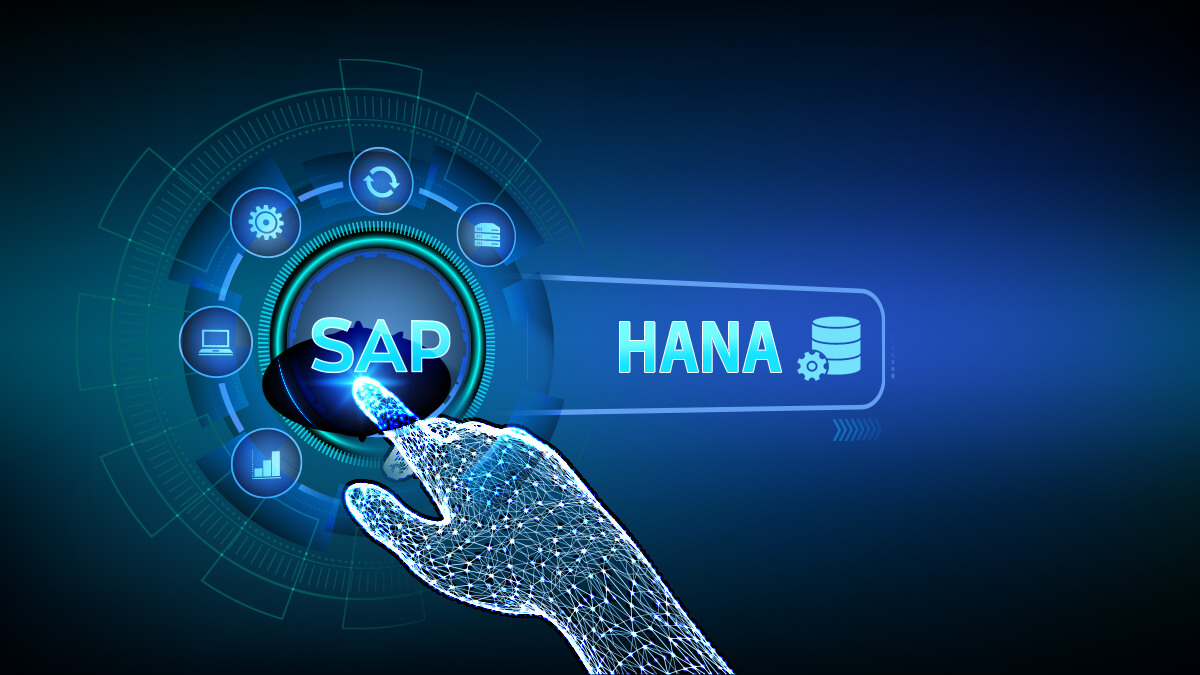
Big data used to feel like a massive library where every book was locked in a vault. You knew the information existed, but getting it took forever. Businesses waited hours or even days to see simple reports. Those delays cost money and slowed down every major decision. Now imagine that vault door swinging wide open forever.
SAP HANA changed everything by moving data from slow hard drives directly into the computer memory. This shift means information moves at lightning speed. You no longer look at what happened last week. You see what is happening right this second. This technology turns a reactive business into a proactive powerhouse. It simplifies complex tasks and lets your team focus on growth instead of waiting for a loading screen to finish.
Let’s talk in detail!
1. Breaking the Speed Limit with In-Memory Power
Traditional databases act like a person reading a book one page at a time. They store data on disks and pull it into memory only when needed. This back and forth creates a massive bottleneck for modern companies. This is where SAP HANA removes the bottleneck by keeping data directly in memory, enabling lightning-fast processing and real-time insights without the delays of disk-based systems. It stores the entire database in the Random Access Memory or RAM.
Why Memory Storage Changes the Game
Computers access RAM thousands of times faster than traditional disks. This speed allows the system to process millions of rows of data in a blink. You get answers to complex questions before you even finish your coffee.
This technical shift removes the need for data movement. Your system stays lean and incredibly fast. Speed is not just a luxury anymore. It is the foundation for every other benefit mentioned below.
2. Smarter Organization Through Columnar Storage
Most databases store information in rows like a simple spreadsheet. This works well for recording a single sale. The system fails to perform when you try to study trends that involve millions of customers. The SAP HANA system employs columnar storage as its data storage method. This method groups similar types of data together.
- It compresses data to save massive amounts of space.
- The system only reads the specific columns you need for a report.
- This reduces the workload on the processor significantly.
- It allows for much faster searches and data aggregation.
High Efficiency in Every Query
Efficiency means your hardware does more work with fewer resources. You spend less on servers while getting better performance. This smart organization clears the path for advanced calculations. Moving away from messy rows allows you to dive deep into complex analytics without any lag.
You might not know, but the global market of SAP HANA is continuously rising. The global market share is expected to surpass $48.46 billion by 2033,
3. Real-Time Analytics and Transactions Living Together
In the past, companies used two separate systems. One system handled daily sales while the other handled data analysis. Moving data between these two systems took a lot of time and effort. SAP HANA combines both worlds into a single platform. This is called a Hybrid Transactional Analytical Processing system.
- You run reports on live data without slowing down the storefront.
- There is no need to wait for nightly data transfers.
- Managers see real-time inventory levels across the globe.
- The IT department manages one system instead of two.
4. Predictive Power for Smarter Future Moves
SAP HANA does more than just look at current numbers. It includes built-in engines for predictive analytics. The system looks for patterns in your historical data. It then uses those patterns to suggest what might happen next. You can spot a supply chain issue before it actually happens.
- Identify customer churn risks early.
- Detect fraudulent transactions in real time.
- Improve maintenance schedules for heavy machinery.
Predictive tools turn your data into a crystal ball for your business. This foresight naturally extends into how your team interacts with information through geographic lenses.
5. Spatial Processing for a Better Sense of Place
Business data often involves locations like stores or delivery routes. SAP HANA processes spatial data alongside your financial numbers. It understands coordinates and maps natively. This means you can run complex geographic queries instantly. You see exactly where your assets are and how they perform in specific regions.
- Visualize sales density on a live map.
- Calculate the most efficient delivery paths in seconds.
- Track mobile assets in real time across the country.
- Analyze environmental data for better site selection.
Seeing data on a map adds a whole new dimension to your strategy. It helps you understand the "where" just as well as the "what." This spatial awareness leads to a much leaner and more agile operation.
6. Advanced Security for a Digital World
Data is the most valuable asset in the modern enterprise. SAP HANA protects that asset with deep security layers. It provides role-based access to ensure people only see what they need. The system also uses high-level encryption for data at rest and in motion.
Keeping Your Secrets Safe
Security is not just about blocking hackers. It is also about ensuring data integrity. The system tracks all record modifications through its comprehensive logging system. The system provides complete information about who accessed each item and the exact times of their access.
This constant monitoring prevents errors and builds trust in your reports. A secure environment allows your team to innovate without fear.
7. Seamless Integration for a Connected Enterprise
Your business likely uses many different apps and tools. SAP HANA acts as a central hub for all those moving parts. It connects easily to cloud services and social media feeds. It even gathers data from Internet of Things sensors on your factory floor.
- Stream data from millions of smart devices simultaneously.
- Connect with external web services for market trends.
- Integrate with legacy systems to protect your old investments.
Every piece of information contributes to the big picture. You gain a total view of your business health in one dashboard. This level of integration is the final piece of the real-time puzzle.
Conclusion
Waiting for data is now a choice rather than a necessity. SAP HANA removes the friction between a question and an answer. It turns massive piles of digital noise into clear and actionable signals. You save time and reduce costs while empowering your employees. This technology is not just a database update. It is a complete shift in how a modern company operates. You move faster and think smarter every single day. The era of the real-time enterprise is finally here. Your data is ready to work as hard as you do. Take this opportunity to lead your industry with speed and precision.