Sign up with Google
 Sign in with Zoho

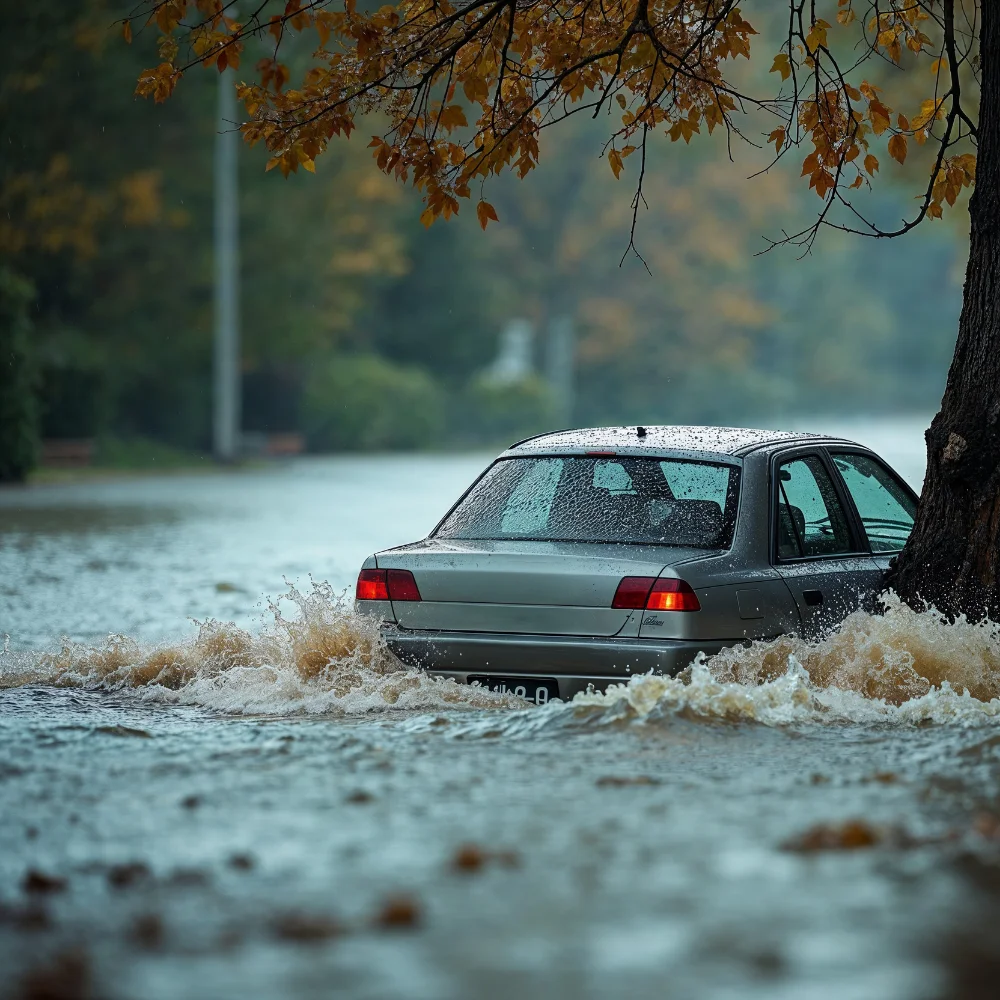
Somebody types an address into a website, hits enter, and a price shows up like magic. Easy, right? Not so fast. A flood insurance florida quote looks official, but it's only as solid as the information behind it, and most online tools fill in the blanks with guesses. That's how owners end up with one number in March and a different one in June, wondering what changed. Nothing changed, really. The first number was a rough sketch. This post walks through what a quote is built from, where it goes wrong, and how to tell whether the one on the screen deserves any trust at all.
What a Quote Is and What It Isn't
Think of a quote as a snapshot. If the details are accurate, it's useful. If they're guesses, it's basically a rumor with a price tag stuck on it. Online tools often lean on public records, and those can be outdated, wrong about the foundation, or silent about the finished room under the house. A quote also says nothing about how a company treats claims, how quickly adjusters show up, or what gets left out once the paperwork is signed. Let's be real, two quotes that look nearly identical can protect a home in totally different ways. The price is one piece. People act like it's the whole story, and it isn't.
The Details That Move the Number
Underwriters care about specifics. The exact address, the flood zone on the current map, how high the lowest floor sits, what kind of foundation holds the house up, how old the structure is, and what's below the main living area. A garage, a storage room, a crawl space, all of it counts. Then come the coverage choices, meaning protection for the building, protection for belongings, and the deductible. An elevation certificate can shift the result in the owner's favor, sometimes noticeably, so it's worth asking about early. Most bad quotes start right here, with one small mistake nobody catches until renewal rolls around and the price jumps.
Flood Zones, Lenders and the Zone X Problem
The maps drive a lot of this. Zones starting with A or V are high risk, and if a home sits in one with a federally backed mortgage, the lender requires coverage. No debate. Zone X gets described as moderate to low risk, and plenty of people hear that as safe. It isn't. Water doesn't follow lines on a map, and a big share of flooded homes sit outside the high risk areas. Maps also get redrawn over time, so a house that sat outside the boundary at closing can end up inside it later, complete with a notice from the lender and a deadline. Check the current map before buying, then check again once in a while.
Federal Program or Private Carrier, Where Quotes Split Apart
Quotes come from two different worlds. The National Flood Insurance Program, run through FEMA, is standardized, so the policy reads the same no matter who's selling it and shopping around mostly changes the agent, not the product. Private carriers write their own forms, so limits, exclusions and pricing can differ a lot from one company to the next. Some offer higher building protection, replacement cost on belongings, help with living costs if the house can't be lived in, or a quicker start date. Others are stripped down, and cheap for a reason. They also pick their customers and can leave an area later. Owners with a mortgage should confirm the lender accepts a private policy before canceling anything.
So What Does the Best Flood Insurance Florida Buyers Want Look Like?
Everybody wants one clean answer, and the truth is there isn't one. The best flood insurance florida has to offer depends on the house, the lot, the lender and how much risk an owner can carry alone. A raised home inland might do great with a basic policy. A low lot near a canal probably needs broader coverage and a carrier that pays quickly. So look past price. Read real customer stories about claims, not only star ratings. Check the financial strength of private companies, since one that can't pay after a big storm is worse than none. Ask the agent to explain a claim step by step. Vague answers tell you plenty.
Why Prices Keep Shifting Year After Year
Federal pricing changed when FEMA moved to a newer rating method that looks at each property on its own. How close is it to water, how often has the area flooded, what would rebuilding cost. The old approach leaned mostly on the zone lines. Some Florida owners saw their bills drop, while others got increases that keep stacking each year until the price reaches the full risk level. Annoying, and there's no way around it. Private carriers use their own formulas, so the same house can pull very different offers from different companies. A higher deductible lowers the premium, but only if there's savings to cover it after a loss.
Waiting Periods and Other Ways Buyers Get Burned
A cheap quote means nothing if coverage isn't active when the water arrives. Most policies have a waiting period, and buying once a storm is already in the forecast usually means going uncovered for the exact event that caused the panic. A few exceptions exist, like closing on a home with a mortgage, and some private policies start sooner, so ask directly. Other mistakes are quieter. Skipping contents coverage. Assuming landscaping or cars are protected, when they aren't. Never making a home inventory, so there's no proof of what got lost. Film every room with a phone, store it online, and put the renewal date on a calendar.
Picking a Quote You Can Actually Rely On
The short answer is that the lowest number rarely tells the whole story. Ask every company or agent to price the same coverage on the building, the same on belongings, and the same deductible, otherwise nothing lines up fairly. Then read the exclusions, since that's where the real differences hide. Finding the best flood insurance florida offers really means finding the fit for one specific house, budget and comfort level with risk. For tricky properties, like older homes or ones that flooded before, a broker who handles flood coverage all day can save a lot of guessing. Start early, well before hurricane season. Water won't wait for anybody to get organized.









.webp)