Sign up with Google
 Sign in with Zoho

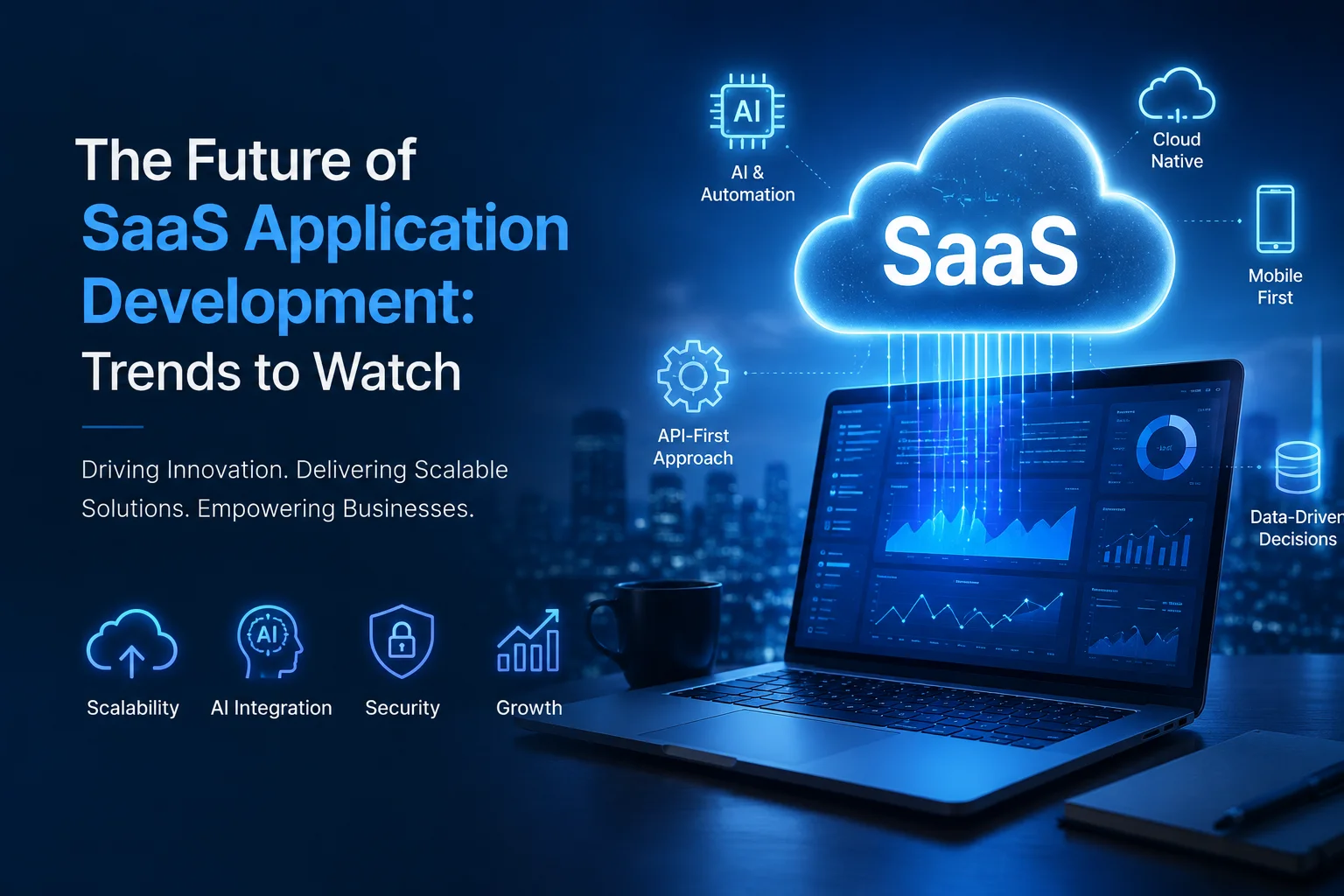
SaaS application development refers to the process of developing the SaaS product, the cloud application that the end user will access over the internet on a subscription basis. Changes to the SaaS application development paradigm can be expected over the next 12 to 18 months as the technology space develops in three distinct ways: AI by default, API first design, and security built in.
- Building AI native products and agents are replacing generic plugin capabilities.
- API first, cloud-native design helps teams scale faster while saving.
- It is technology and compliance that are really dictating what the customer will buy.
How the Evolving Role of AI Native and Agentic Skills is Beginning to Change SaaS application development
AI is no longer the 'parking lot' feature of a product, it's the very backbone of it. It handles the mundane and routine tasks, anticipates customers needs, and accelerates workflows. Now, SaaS agile teams are beginning to think about AI within the product roadmap from the start and it is the new revolution in AI SaaS app development.
From AI add ons to AI native products
A chat box that is injected to an existing app. An AI native product is a product built for AI from scratch. Data pipelines, model orchestration, feedback loop, etc, something you want to do in a product so it learns from customers feedback.
AI Agents and Automation of SaaS Applications
Agentic AI is software that is capable of thinking about how to complete a task for you with minimal manual input. These agents could work on support tickets, onboarding procedures, and weekly reporting. Maintain a human in the loop when it truly counts, and build in solid error handling so you're alerted if something's wrong.
Usage based and outcome based pricing for AI features
Something to keep in mind, not all solutions that use seat based plans will be effective for AI. Other things to think about in light of a new value based pricing model.
API First, Composable, and Cloud Native Architecture SaaS App Development
Your modern architecture determines how quickly you get to market, how much you build, and how much you pay. Cloud, component based architecture and extremely well defined apis allow teams to stretch their capabilities without breaking other things. Back end, front end, databases, mobile, performance, all need to come into sync.
Microservices and multi tenant architecture for scalability
Microservices break down the application. Multi tenant architecture means several customers can be hosted on the same platform in a secure manner. Both scale and isolation are feasible, but this is much more complex. It's the ideal solution for larger, more evolved applications but modular monoliths are more applicable to many startup applications.
A SaaS application development is heavily reliant on multi stage integration, custom testing and automation deployment pipeline.
API first design and other third party integrations
Construct your application programming interface then prioritize it initially so that your partners can obtain connections rapidly. This consequently means you can employ third party assimilations and ecommerce assimilation to onboard brand new partners, increase growth and also get there conveniently with wonderful developer experience as well as documents capacities.
Low code/no code and platform engineering
Speed up deployment through the use of internal developer platforms and low code tools. Combine these with infrastructure as code and Dev Ops. Beware of governance and vendor lock in, because these simple tools will come back to haunt you.
Security, Compliance and Privacy by Design in SaaS Application Development
Buyers care more about security than features.
Zero trust security Secure by default development
Employ Dev Sec Ops, shift left testing, and least privilege access. Detect issues and have an incident response plan.
Compliance readiness (SOC 2, GDPR, HIPAA)
Make sure compliance is part of the journey. When it comes time to put resources into legal or other compliance initiatives, you'll discover the true price of ignoring it.
Data residency and responsible AI governance
The data must be local for others. By following those instructions you can establish trust with your users. Disclose the way that data is being gathered, your AI is functioning, search for bias and make regulations for data use.
Ready Your SaaS Roadmap for Tomorrow
AI, API first strategy, and excellent security. Take little steps, add your first AI feature to your product roadmap, test the APIs, and review the security. Community beta and customer feedback will prove your approach!
How can we help? Our experts at O16 LABS can assist you in SaaS application development, SaaS software development life cycle and SaaS post launch support and maintenance strategy. Get a free SaaS consultation today.
FAQs
What is SaaS application development?
It is building and running cloud software that users access online by subscription. It covers designing, construction, screening and the distribution of the application, and the updates.
What are new trends in SaaS application development?
The major trends are: AI native capabilities, API first cloud infrastructure, and privacy by design security.
Why is API first design important for SaaS?
It allows your app to integrate with other apps. It also speeds up new features.
Does AI influence SaaS pricing?
Costs are increasing due to AI. The majority of teams are now adopting a pay per use / pay per result model.