Sign up with Google
 Sign in with Zoho
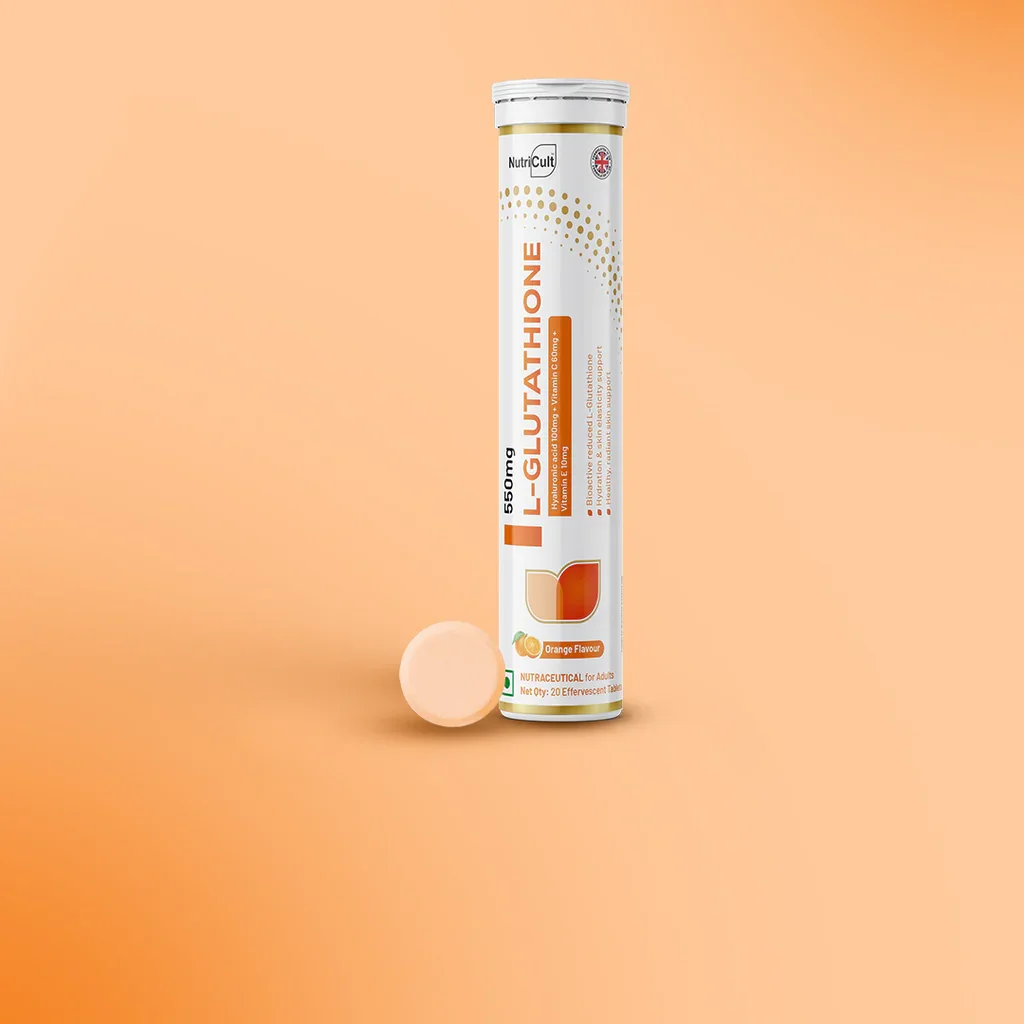
L-glutathione and vitamin C are two well-known nutrients involved in antioxidant protection and normal cellular functions. They are often discussed together because both help the body manage oxidative stress and support overall wellness. But what exactly does each nutrient do, and is there a benefit to taking them together?
What Is L-Glutathione?
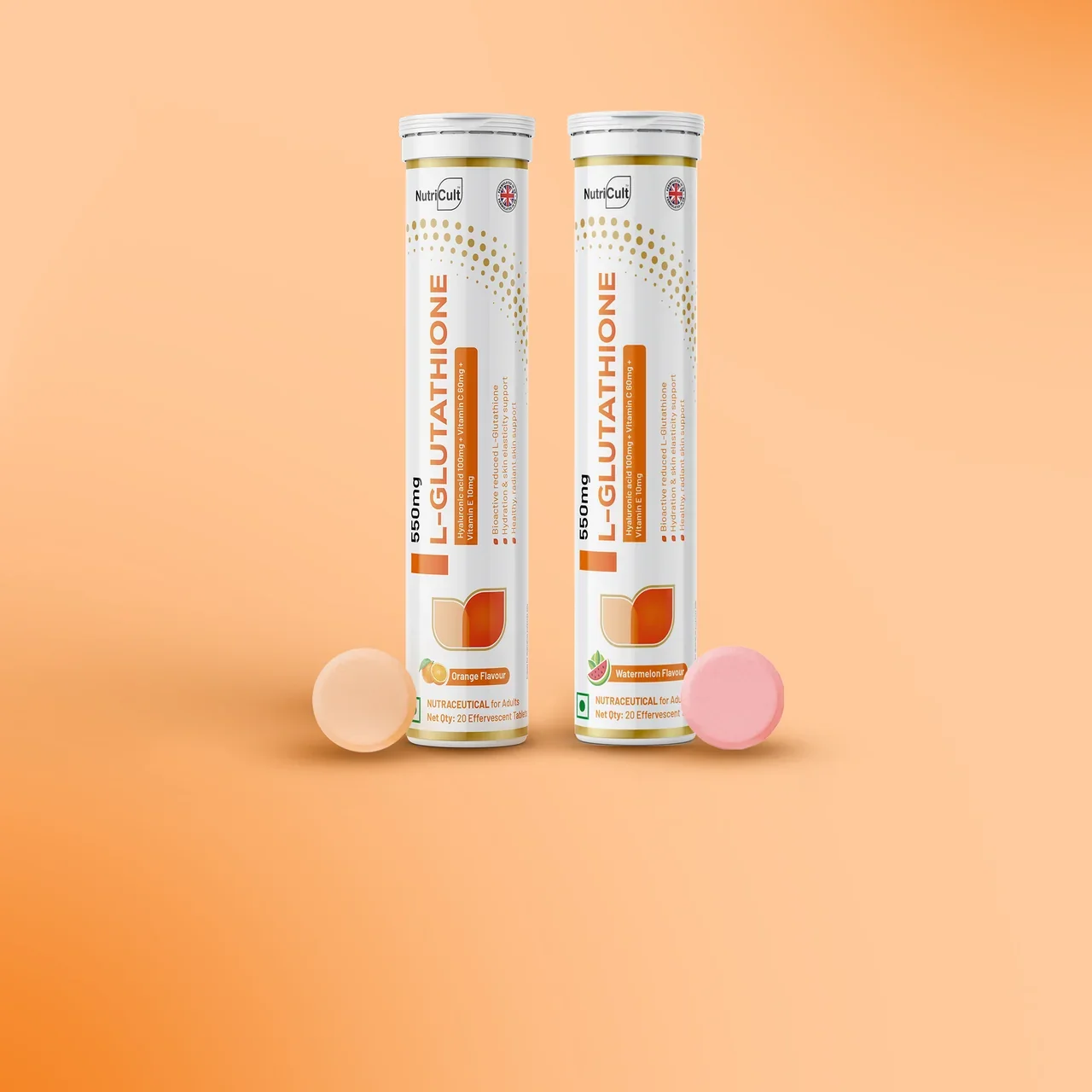
L-glutathione is a naturally occurring antioxidant produced by the body. It is made from three amino acids: cysteine, glutamic acid, and glycine. Glutathione is found in many cells and plays an important role in protecting cells from oxidative stress.
Its antioxidant activity helps neutralize free radicals and supports the body's natural defense systems. Glutathione also participates in several metabolic and detoxification processes in the body.
Although the body can produce glutathione naturally, factors such as aging, oxidative stress, poor nutrition, and certain lifestyle factors may influence glutathione levels.
What Is Vitamin C?
Vitamin C, also known as ascorbic acid, is an essential water-soluble vitamin. Since the body cannot produce it, it must be obtained through food or supplements.
Vitamin C contributes to:
- Normal immune system function
- Collagen formation and healthy skin
- Protection of cells from oxidative stress
- Normal wound healing
- Improved absorption of iron from plant-based foods
- Normal functioning of the nervous system
Citrus fruits, amla, guava, strawberries, bell peppers, and broccoli are among the dietary sources of vitamin C.
How Do L-Glutathione and Vitamin C Work Together?
L-glutathione and vitamin C have complementary antioxidant roles. Vitamin C can help protect cells from oxidative stress, while glutathione is an important component of the body's internal antioxidant system.
Research has also explored the relationship between vitamin C and glutathione recycling. Maintaining adequate vitamin C intake may therefore support the body's antioxidant network.
However, taking the two together should not be viewed as a guaranteed way to produce specific cosmetic or health outcomes. Individual responses can vary depending on diet, lifestyle, nutritional status, and other factors.
Potential Benefits of L-Glutathione and Vitamin C
1. Antioxidant Support
Both nutrients help protect cells from oxidative damage. Oxidative stress occurs when free-radical activity exceeds the body's ability to neutralize it.
2. Skin Health
Vitamin C is essential for collagen production, which helps maintain normal skin structure. Glutathione has also been studied for its potential effects on skin pigmentation, although evidence for cosmetic skin-lightening benefits remains limited and inconsistent.
3. Immune Support
Vitamin C contributes to normal immune function. Getting sufficient vitamin C through food or supplements can help maintain normal immune defenses.
4. Support for Overall Wellness
Because both nutrients participate in antioxidant processes, adequate intake can contribute to general nutritional and cellular health.
Can You Get Them From Food?
Yes. Vitamin C is abundant in fruits and vegetables, particularly citrus fruits, amla, guava, kiwi, peppers, and berries.
Glutathione is present in some foods, including vegetables, fruits, meat, fish, and certain nuts. However, dietary glutathione intake does not necessarily translate directly into increased glutathione levels in the body because digestion and absorption are complex.
A balanced diet remains the foundation for meeting nutritional needs.
Supplements: What Should You Consider?
L-glutathione and vitamin C are available individually and in combination supplements, including capsules, tablets, and effervescent formulations.
When choosing a supplement, consider:
- The amount of each nutrient per serving
- Ingredient quality and formulation
- Your existing diet and nutritional needs
- Any medications or health conditions
- Advice from a qualified healthcare professional when appropriate
More is not always better. Following the recommended serving size is important, particularly with high-dose supplements.
L-Glutathione and Vitamin C for Skin: What Does the Evidence Say?
The combination is frequently marketed for brighter or more even-looking skin. Vitamin C has a well-established role in collagen formation and antioxidant protection. Glutathione has been investigated for its effects on melanin production and skin pigmentation, but clinical evidence is not strong enough to guarantee skin-lightening effects.
For healthy skin, fundamentals such as adequate nutrition, sun protection, hydration, sleep, and a consistent skincare routine remain important.
Final Thoughts
L-glutathione and vitamin C are important components of the body's antioxidant defenses. Vitamin C additionally supports collagen formation and immune function, while glutathione plays a central role in cellular antioxidant processes.
Taking them together may provide complementary nutritional support, but supplements should complement, not replace, a balanced diet and healthy lifestyle. If you are considering supplementation for a specific health or skin concern, consult a healthcare professional to determine whether it is appropriate for you.