Sign up with Google
 Sign in with Zoho

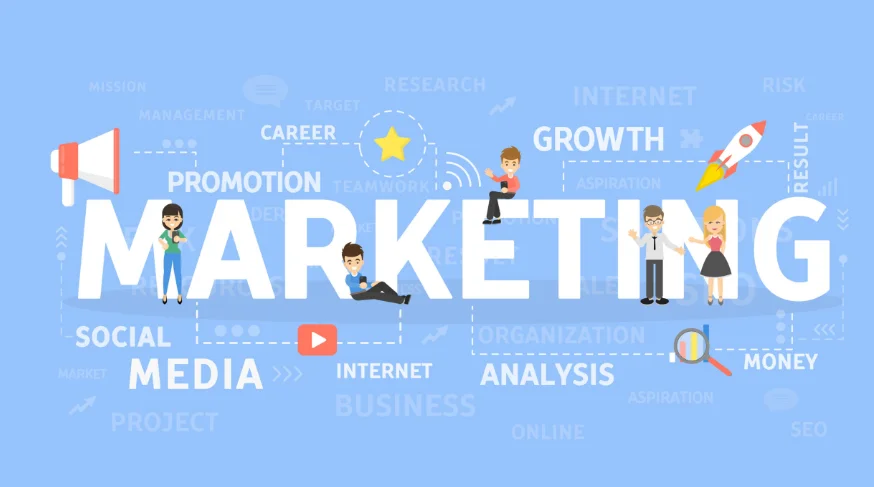
A product may pass through many departments before it reaches a customer.
The product team develops it. Engineers define specifications. Suppliers provide additional information. Marketing creates content. Sales prepares catalogs. eCommerce teams publish product pages.
Once the product is launched, the work still isn't finished.
New versions may be introduced, attributes may change, images may be replaced, and eventually the product may be discontinued.
With so many moving parts, businesses need a reliable way to manage the product journey.
That's where Product Lifecycle Management (PLM) comes in.
What Is Product Lifecycle Management?
Product Lifecycle Management is a structured approach for managing a product throughout its complete lifecycle.
It connects product-related information and processes from the initial concept to development, launch, maintenance, and retirement.
The exact process differs by industry, but the objective is similar: keep product development and product information organized as the product evolves.
This becomes particularly important for businesses that manage large product catalogs.
Product Data Starts Before the Product Launch
One common mistake is treating product information as an eCommerce task.
In reality, product data often begins during the earliest stages of development.
A product may start with basic requirements and gradually gain:
- Technical specifications
- Materials
- Dimensions
- Components
- Supplier information
- Certifications
- Packaging details
- Product documentation
Once the product is approved, additional commercial information is created.
This can include descriptions, images, features, categories, SEO content, and marketplace attributes.
The amount of information can grow quickly.
The Problem With Disconnected Product Data
When different teams use different systems, product information can become fragmented.
For example, the engineering department might maintain the latest specification, while the marketing team uses an older spreadsheet.
The eCommerce team may have a third version on the website.
The sales department might still have an outdated PDF catalog.
All four teams believe they have the correct information.
This creates a simple but costly problem: which version should be trusted?
A structured lifecycle process can reduce this type of confusion.
PLM Provides the Bigger Picture
PLM focuses on the product as it moves through different stages.
It can help organizations manage product development, changes, approvals, documentation, and collaboration.
Instead of viewing each activity separately, businesses can create a connected process.
This gives teams better visibility into the product's current status and the information associated with it.
However, once the product is ready to sell, another challenge appears.
How should all that information be prepared for customers?
PIM Completes the Commercial Side
This is where Product Information Management (PIM) becomes useful.
PIM focuses on the information needed by sales, marketing, eCommerce, marketplaces, distributors, and other customer-facing channels.
A PIM system can help organize product information and enrich it with content that makes sense for customers.
For example, technical product data can be combined with:
- Marketing descriptions
- Product features
- Images
- Videos
- Search keywords
- Translations
- Care instructions
- Channel-specific attributes
This creates a bridge between product development and digital commerce.
PLM and PIM Are Complementary
PLM and PIM don't necessarily replace each other.
They address different parts of the product information journey.
PLM: manages the broader product lifecycle.
PIM: manages product information for commercial and customer-facing use.
A simple way to visualize the relationship is:
Product Development → Approval → Product Information Enrichment → Channel Distribution
PLM can support the first part of the process, while PIM can strengthen the later stages.
Why Product Enrichment Matters
Customers don't usually want raw technical data.
They want information that helps them decide whether a product is right for them.
For example, a product might have a technical specification showing its exact material composition.
An eCommerce product page may also need a simple explanation of the material, its characteristics, and why it matters.
This process of transforming basic data into useful commercial content is known as product enrichment.
It can involve adding descriptions, images, attributes, translations, and other content.
Managing Large Product Catalogs
Product lifecycle management becomes even more important as catalogs grow.
A company with 100 products may be able to manage product updates manually.
A company with 10,000 products needs a more structured approach.
Large catalogs often contain:
- Multiple product families
- Complex attributes
- Thousands of variants
- Regional differences
- Multiple languages
- Different channel requirements
Trying to manage all of this through spreadsheets can become difficult very quickly.
Centralized product information can provide a more scalable foundation.
Keeping Product Information Consistent
Consistency matters because customers often interact with a product through multiple touchpoints.
A customer might discover a product on a marketplace, visit the company's website, and later download a catalog.
If each source provides different specifications, the buying experience becomes confusing.
A centralized product information strategy helps businesses maintain a consistent core dataset.
The content can then be adapted to suit each channel without losing the underlying product information.
Product Changes Should Trigger Data Updates
A product lifecycle doesn't end at launch.
Suppose a company changes the dimensions of a product.
That update could affect the website, marketplace listing, product catalog, packaging information, and marketing content.
If teams update these locations independently, something is likely to be missed.
A structured workflow helps organizations identify what information needs to change and where it needs to be distributed.
How OdooPIM Can Support This Process
For businesses using Odoo and managing growing catalogs, OdooPIM can support the product information management side of the lifecycle.
It provides a centralized environment for organizing and enriching product information, including attributes, variants, digital assets, and customer-facing content.
This can help businesses prepare product information for different digital commerce channels while maintaining a more consistent data foundation.
Businesses interested in exploring this subject further can read the Product Lifecycle Management guide for additional information about lifecycle stages and the relationship between PLM, PDM, and PIM.
A Simple Framework for Better Product Data
A practical approach can be summarized in seven steps:
Collect product information from reliable sources.
Structure the information into consistent categories and attributes.
Enrich it with customer-facing content.
Validate important fields before publication.
Approve the final information.
Distribute it to the appropriate sales channels.
Maintain it whenever the product changes.
This process creates a continuous product information workflow rather than treating data management as a one-time activity.
Final Thoughts
Every product creates information throughout its lifecycle.
The challenge for modern businesses is making sure that information remains accurate, accessible, and useful as the product moves from development to the market.
PLM provides the structure needed to manage the product journey, while PIM can help businesses manage the commercial information customers see.
Together, they can create a more connected product-data process.
For businesses managing large catalogs, the result can be fewer inconsistencies, less manual work, faster product launches, and better experiences across digital channels.
The product lifecycle may eventually end, but well-managed product information can make every stage of that journey more efficient.