Sign up with Google
 Sign in with Zoho

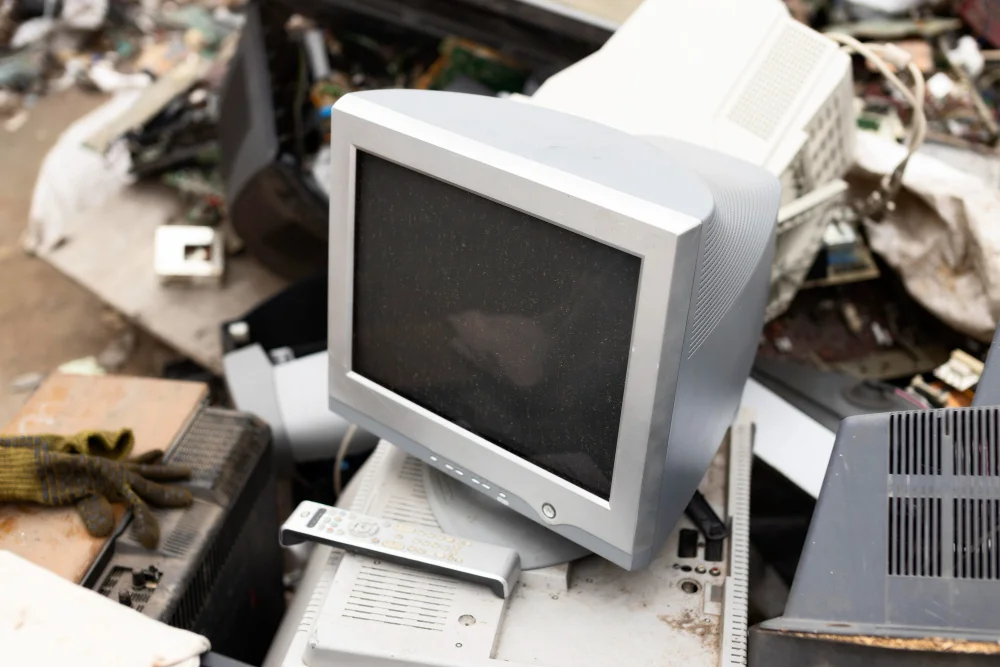
Technology plays an important role in our everyday lives. From computers and laptops to televisions, printers and kitchen appliances, electrical equipment makes daily tasks easier. However, as technology advances, old and unwanted devices often accumulate in cupboards, garages, lofts and storage spaces.
Disposing of these items responsibly is essential because electronic waste, commonly known as e-waste, can harm the environment if handled incorrectly. Here are some practical ways to dispose of old computers and electrical equipment safely.
1. Understand the Importance of Responsible Disposal
Old electrical equipment should never be thrown into general household rubbish. Many electronic products contain hazardous materials, including lead and mercury, which can contaminate soil and water.
However, these products also contain valuable materials such as copper, aluminium, plastic and precious metals that can be recovered.
Responsible disposal helps to:
- Reduce environmental pollution.
- Prevent hazardous materials from reaching landfills.
- Recover reusable materials.
- Conserve natural resources.
- Reduce unnecessary electronic waste.
2. Check Whether Your Equipment Can Be Reused
Before recycling old electronics, check whether they are still functional. A slow computer may only need a software update or replacement component.
Consider these options:
- Repair: Fix damaged equipment instead of replacing it.
- Donate: Give working devices to charities, schools or community organisations.
- Sell: Find buyers interested in second-hand electronics.
- Reuse: Keep suitable equipment for alternative household purposes.
Reusing electronic products extends their lifespan and reduces waste.
3. Protect Your Personal Data Before Disposal
Old computers, laptops and mobile phones may contain sensitive information, including photographs, financial records, passwords and personal documents.
Before disposing of any device, take these precautions:
- Back up important files.
- Sign out of personal accounts.
- Remove saved passwords.
- Perform a factory reset where appropriate.
- Use secure data-wiping methods.
For confidential information, consider professional data destruction services to prevent unauthorised access.
4. Choose the Right Electronic Recycling Facility
If your equipment is broken or outdated, recycling is usually the most responsible option.
In the UK, electrical waste is covered by the Waste Electrical and Electronic Equipment (WEEE) Regulations, which support the proper collection, treatment and recycling of electronic products.
Common recycling options include local council recycling centres, approved WEEE facilities, retailer take-back schemes and specialist recycling companies.
Common Electrical Items and Their Disposal Methods
Always check the facility's accepted items before visiting. Batteries should be handled separately where required, as damaged batteries can create fire risks.
5. Avoid Putting Electronics in General Waste
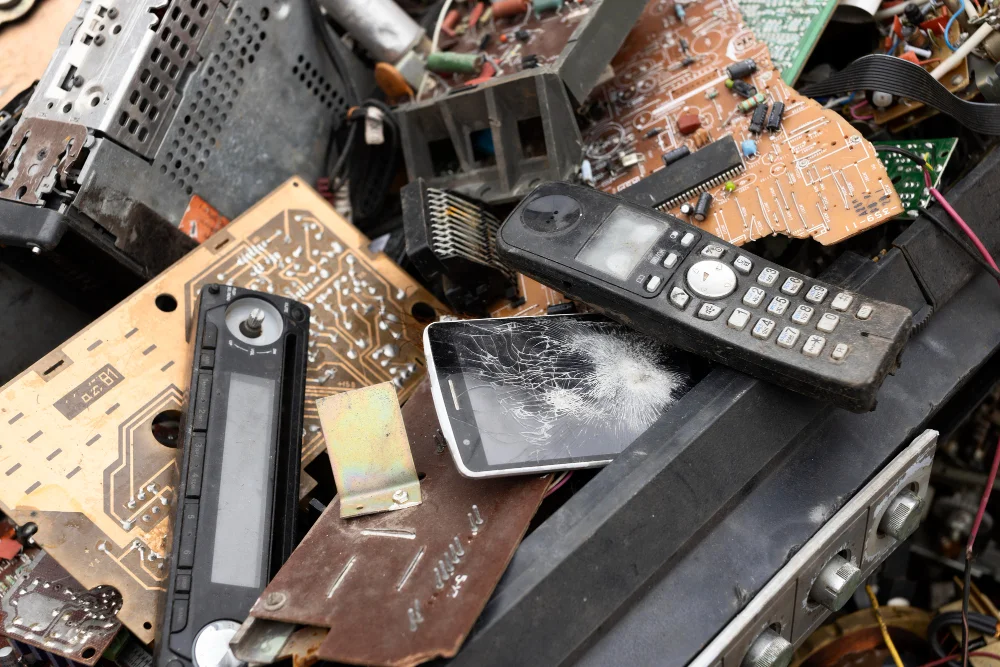
Placing electrical equipment in ordinary household bins can cause environmental and safety problems. Batteries may overheat or catch fire when crushed during waste collection, while hazardous components can contaminate the environment.
Instead, separate electronic waste from general rubbish and arrange suitable collection or recycling.
If you are clearing an entire property, professional House Clearance in Banstead services can help organise unwanted household belongings and ensure electrical items are directed towards appropriate disposal options. Choosing reliable House Clearance in Banstead support can also make larger property clearances more convenient.
6. Consider Professional House Clearance Services
Property clearances often involve removing more than furniture and general rubbish. Garages, lofts and storage rooms may contain old computers, televisions, cables and unwanted appliances.
Professional clearance companies can make this process easier and more organised.
Before choosing a provider, check whether it:
- Separates reusable items from waste.
- Uses appropriate recycling facilities.
- Follows waste disposal regulations.
- Handles electrical equipment responsibly.
For homeowners planning House Clearance in East Grinstead, choosing a responsible clearance provider can simplify the process while supporting environmentally conscious waste management. Professional House Clearance in East Grinstead services can also help manage unwanted electrical items during a complete property clearance.
7. Develop Better Electronic Waste Habits
Responsible disposal should become a regular habit rather than something done only when moving house.
Simple practices include repairing equipment when possible, donating working devices, avoiding unnecessary purchases and using authorised recycling facilities.
These small actions can significantly reduce electronic waste over time.
Frequently Asked Questions (FAQs)
1. Can I put an old computer in my household rubbish bin?
No. Computers are classified as electrical waste and should be taken to an appropriate recycling facility.
2. Where can I recycle electrical equipment in the UK?
You can use local council recycling centres, approved WEEE facilities and participating retailer take-back schemes.
3. Should I remove personal data before disposing of a computer?
Yes. Back up important files, sign out of accounts and securely erase personal information before disposal.
4. Can broken electrical appliances be recycled?
Yes. Many broken appliances can be dismantled to recover reusable materials. Some items require specialist recycling facilities.
5. Why choose a professional house clearance company?
A professional company can help remove unwanted household items, separate reusable belongings and arrange appropriate waste disposal.
Conclusion
Disposing of old computers and electrical equipment responsibly helps protect the environment, reduce landfill waste and recover valuable materials. Whether you are replacing an old laptop or clearing an entire property, consider repairing, donating or recycling unwanted equipment.
Always protect your personal data and choose suitable disposal facilities. Responsible decisions today can contribute to a cleaner and more sustainable future.