Sign up with Google
 Sign in with Zoho
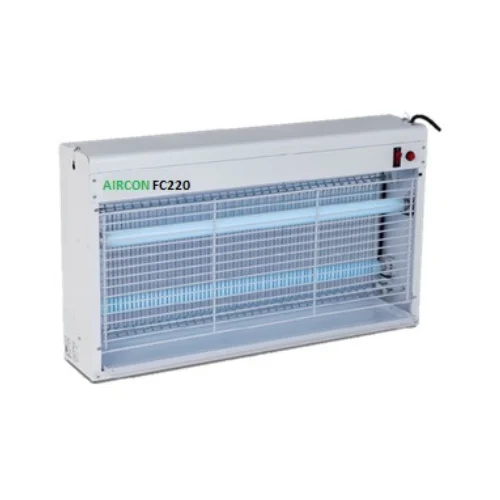
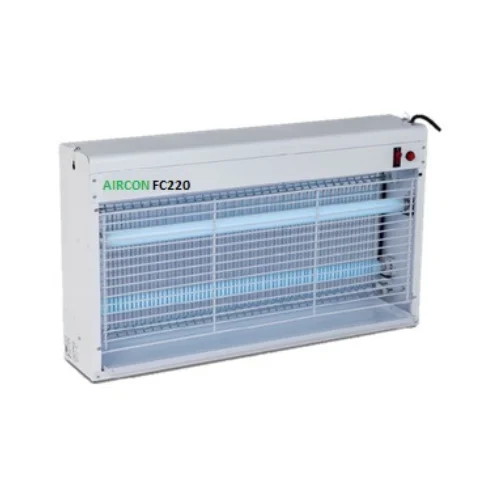
Food-handling facilities need consistent hygiene practices to protect products, maintain a clean working environment, and reduce the risk of contamination. Restaurants, commercial kitchens, bakeries, food packaging units, and storage facilities can all face challenges from flies entering through doors, windows, loading areas, or other openings. Along with proper sanitation and waste management, a suitable Fly Catcher Machine in Bangalore can support a structured flying-insect control programme.
For businesses handling food, choosing and using pest-control equipment requires more than simply installing a machine. Its location, maintenance routine, operating environment, and compatibility with hygiene practices all influence its usefulness.
Why Flying Insects Need Attention in Food-Handling Areas
Flies can move between waste, drains, outdoor areas, and surfaces where food is prepared or stored. Their presence can create hygiene concerns, affect customer confidence, and indicate gaps in a facility’s pest-management routine.
Common entry points include frequently opened service doors, receiving areas, ventilation openings, and waste collection zones. In busy commercial kitchens, deliveries and staff movement can make it difficult to keep every entrance closed throughout the day.
A practical control plan combines preventive measures with suitable monitoring equipment. This approach helps businesses identify recurring insect activity rather than relying only on occasional corrective action.
How an Electric Fly Catcher Machine Supports Hygiene Management
An Electric Fly Catcher Machine can help control flying insects in selected commercial environments. Depending on the model, equipment may use ultraviolet light to attract insects towards an adhesive board or an electric grid. These designs operate differently, so businesses should evaluate the intended application and relevant hygiene requirements before installation.
Adhesive-board models can make it easier to inspect captured insects and maintain a record of activity. Electric-grid models may suit certain applications, but they must be assessed carefully wherever food, packaging, or sensitive production processes are present.
The machine should complement—not replace—routine cleaning, covered waste containers, drainage maintenance, pest-proofing, and professional pest-management procedures where required.
Where Should Fly Catchers Be Installed?
Placement is especially important in facilities where food is prepared, handled, or packaged. A machine installed in the wrong location may offer limited benefit or conflict with hygiene practices.
Food Preparation and Cooking Areas
Equipment placement should follow the facility’s food-safety procedures. Avoid positioning insect-control units where captured insects or equipment components could contaminate exposed food, clean utensils, or preparation surfaces. Follow the manufacturer’s instructions and applicable hygiene requirements.
Receiving and Dispatch Zones
Delivery entrances can provide an entry route for flying insects, particularly when doors remain open for extended periods. A suitable monitoring point near these zones may help staff identify patterns in insect activity and review door-management practices.
Waste Collection Areas
Food waste can attract flies when bins are uncovered, waste remains for too long, or surrounding surfaces are not cleaned regularly. Appropriate insect-control equipment may support monitoring, but removing the attraction source remains essential.
Storage and Packaging Areas
Storage rooms and packaging zones require careful placement decisions. Equipment should not obstruct operations, and its position should reflect the layout, product exposure, cleaning schedule, and site-specific hygiene requirements.
Building a Reliable Insect-Control Routine
Installing a fly-control unit is only one part of the process. Food businesses can improve consistency by introducing simple, repeatable checks.
- Inspect entrances: Check door seals, window screens, and other potential entry points.
- Manage waste promptly: Use covered bins and follow a defined removal schedule.
- Clean consistently: Remove food residue, spills, and accumulated organic material.
- Check equipment regularly: Inspect adhesive boards, lamps, guards, and other components according to the manufacturer’s instructions.
- Record insect activity: Note where and when insects are observed so recurring issues can be investigated.
- Review the layout: Reassess placement when production areas, equipment, or workflow arrangements change.
These practices help teams identify the underlying reasons for insect activity instead of treating every occurrence as an isolated problem.
What Should Businesses Consider Before Installation?
Before selecting a Fly Catcher Machine, assess the facility’s size, the areas where insects are observed, the nature of the food-handling process, and the maintenance resources available. Consider whether the equipment is appropriate for the intended environment and whether its design supports the site’s hygiene procedures.
Businesses should also check lamp and replacement-part availability, cleaning requirements, access for maintenance, and the manufacturer's operating instructions. Food-related facilities may have specific regulatory or certification requirements, so equipment suitability should be verified rather than assumed.
For operations in and around Bengaluru, local environmental conditions, building layouts, delivery schedules, and waste-handling practices can all affect insect activity. A site-specific assessment is more useful than selecting equipment based on price alone.
Why Choose Cosyst Devices in Bangalore?
Cosyst Devices offers commercial products for businesses that need practical solutions for their operating environments, including fly-catching equipment. For food-handling facilities, the important starting point is understanding where insect activity occurs and how equipment can fit into the existing hygiene routine.
Businesses considering a Fly Catcher Machine in Bangalore can discuss their application requirements with Cosyst Devices and evaluate suitable options based on the installation area, operating conditions, and maintenance needs. Confirm the specifications of the proposed model before deciding whether it is appropriate for a particular food-handling environment.
Frequently Asked Questions
Can a fly catcher replace regular pest control?
No. It should be one part of an integrated approach that includes sanitation, waste management, exclusion measures, monitoring, and professional support when necessary.
Is every fly catcher suitable for a commercial kitchen?
No. Suitability depends on the equipment design, installation location, food-safety procedures, and applicable requirements. Check these factors before installation.
How often should a fly catcher be maintained?
Follow the manufacturer's maintenance schedule. Inspection frequency may also depend on insect activity, the operating environment, and the type of collection system.
What is the first step when flies keep appearing?
Identify potential entry points and breeding or attraction sources, including waste, drains, spills, and open doors. Correcting these issues alongside suitable monitoring equipment can produce a more effective control plan.